Skip to content
TRP

Podcast topic

Tennessee Elections, Lobbying & Public Policy

Podcast conversations about Tennessee elections, polling, candidates, lobbying, public policy, civic leadership, state and local government, and voter decision-making.

Use this collection for Tennessee elections, polling, lobbying, civic leadership, public policy, candidates, state government, or local-government questions.

45 episodes

August 2026

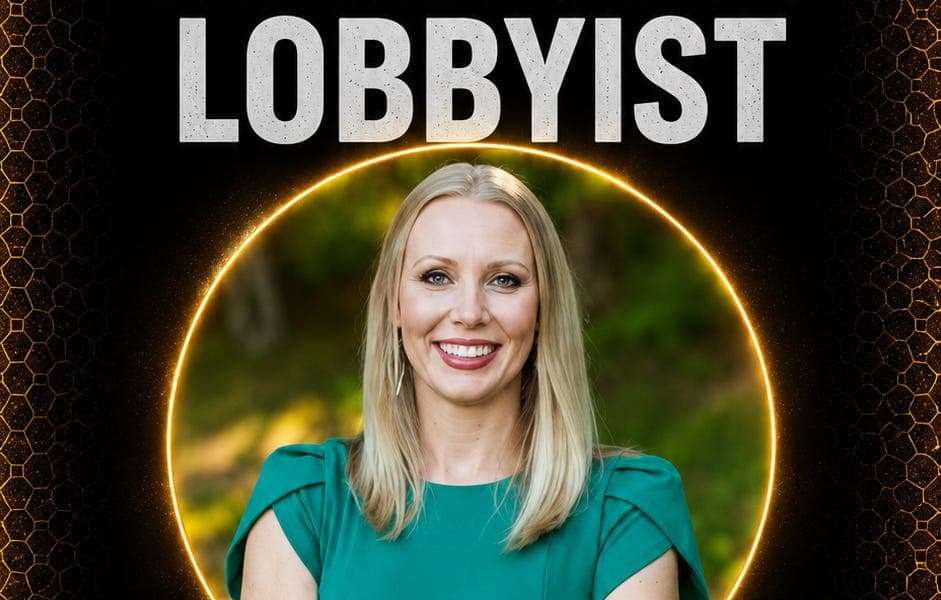
Understanding Lobbyists: Genevieve Turner on Influence, Advocacy and How Policy Gets Made

Civic Conversations

Understanding Lobbyists: Genevieve Turner on Influence, Advocacy and How Policy Gets Made

People hear the word lobbyist and often picture money changing hands, private dinners and powerful corporations attempting to buy political influence. That picture is not entirely invented. It is also far from complete. The better question is not simply whether lobbying is good or bad. It is: Who is attempting to influence public policy, whom do they represent, and what are they asking the government to do? In this Season 4 Civic Conversation, Brandon Burley speaks with Genevieve Turner, founder of Opal Advocacy, about what lobbyists actually do inside Tennessee’s legislative and government systems. Turner explains the difference between an in-house lobbyist representing one organization and a contract lobbyist working with several clients. Those clients may include corporations, nonprofits, community organizations, service providers or advocates seeking changes involving education, healthcare, corrections, disability services and other public-policy concerns. The conversation examines how lobbyists research legislation, follow committee hearings, monitor amendments, seek state appropriations and help clients communicate with legislators and government agencies. Lobbying may involve supporting a proposal, negotiating changes or attempting to stop legislation that a client believes would cause harm. Brandon and Genevieve also discuss ethics, conflicts of interest and transparency. Tennessee lobbyists must register with the state, and members of the public can search for lobbyists and the organizations employing them. That does not resolve every concern about political influence, but it gives citizens a place to begin examining who is involved. The episode also draws an important distinction between professional lobbying and citizen advocacy. A citizen may contact a legislator, testify before a committee or explain how a proposal affects their family or community. A lobbyist typically brings ongoing relationships, procedural knowledge and experience navigating the legislative process. One does not replace the other. Ultimately, this conversation is about how influence works before a bill becomes law—and why understanding that process helps citizens evaluate it more responsibly. I am a retired detective and criminal justice / government educator based in Tennessee. I am a commentary write for Tennessee Lookout and a weekly columnist with Knox TN Today . My work examines public policy, public safety systems and civic responsibility. My reporting and commentary have also appeared in Governing , The Arizona Capitol Times , South Florida Sun Sentinel , Police1 , among other state and regional outlets. Get full access to The Redemption Project Newsroom at newsroom.theredemptionproject.news/subscribe
S17 E4
1619
Open episodeWatch
Also available on
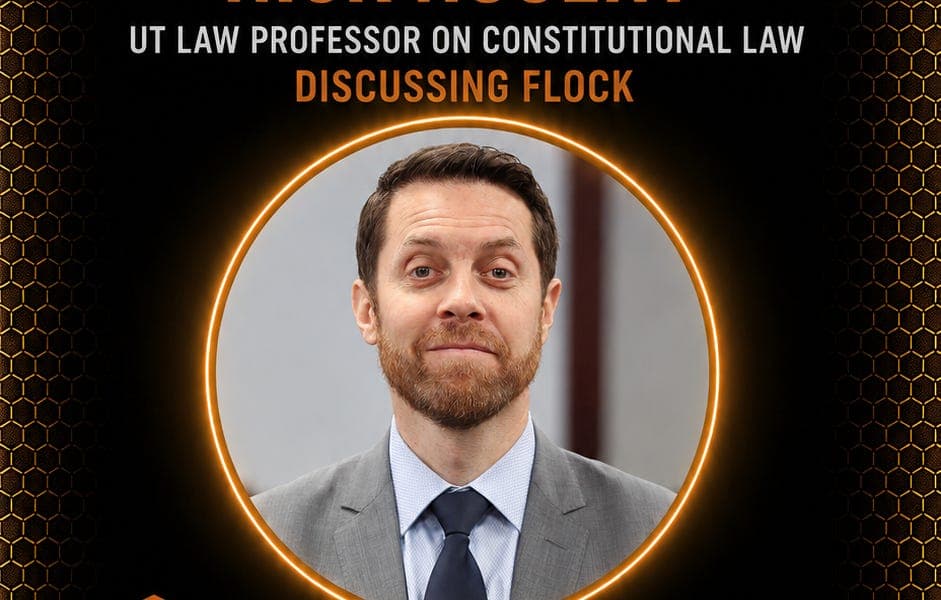
ALPR and Flock Technology Explained: When License Plate Readers Become a Privacy Debate

Systems Explained

ALPR and Flock Technology Explained: When License Plate Readers Become a Privacy Debate

What are Flock cameras, and why are so many people suddenly concerned about them? In this Season 3 Systems Explained episode, Brandon Burley talks with Nick Nugent, a University of Tennessee law professor who teaches technology law and constitutional law, about automated license plate readers, public safety, privacy and the difference between what may be legal and what kind of surveillance society we actually want. The conversation separates two questions: Is this constitutional? And even if it is lawful, is this the policy Tennessee communities want? Brandon brings his law enforcement background into the discussion, explaining why he once helped set up a limited Flock system but now has serious concerns about mass vehicle-location tracking, private third-party data collection, weak audit controls and the ability to map a person’s movements over time. This is not an anti-police episode. It is not a pro-surveillance episode. It is a civic explainer about technology, public safety, privacy and the rules that should govern powerful tools before the tools become normal. I am a retired detective and criminal justice / government educator based in Tennessee. I am a commentary write for Tennessee Lookout and a weekly columnist with Knox TN Today . My work examines public policy, public safety systems and civic responsibility. My reporting and commentary have also appeared in Governing , The Arizona Capitol Times , South Florida Sun Sentinel , Police1 , among other state and regional outlets. Get full access to The Redemption Project Newsroom at newsroom.theredemptionproject.news/subscribe
S12 E3
153
Open episodeWatch
Also available on
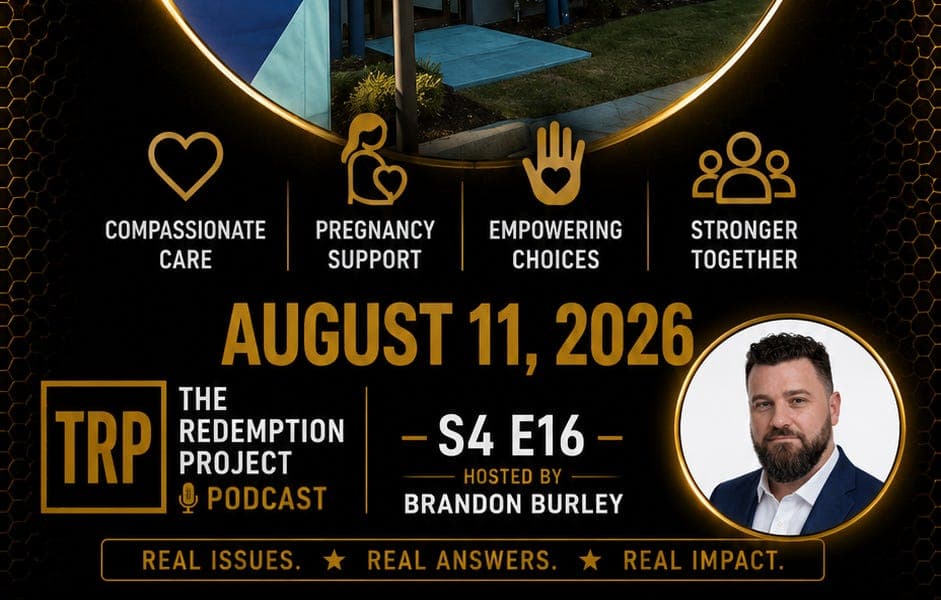
Alliance Women’s Clinic: Breanna Houston on Faith, Pregnancy Support and a New Lenoir City Mission

Civic Conversations

Alliance Women’s Clinic: Breanna Houston on Faith, Pregnancy Support and a New Lenoir City Mission

For Breanna Houston, the debate over abortion is not theoretical. At 18 years old, away at college and frightened about what an unexpected pregnancy might mean for her future, she had an abortion. Years later, after becoming a Christian and walking through a post-abortion Bible study, she began confronting the grief, shame and questions she had carried with her. That experience now shapes the work she believes she has been called to do. In this Season 4 Civic Conversation, Brandon Burley speaks with Houston about the planned Alliance Women’s Clinic in downtown Lenoir City—a nonprofit, Christian pregnancy center intended to provide free services and support to women and families facing pregnancy-related decisions. Houston explains how her personal story, faith and previous nonprofit work led her to Alliance Family Services, a growing national network of pregnancy centers. She describes the planned clinic, its fundraising and construction needs, the services organizers hope to provide and the role volunteers, churches, medical professionals and community partners may play. The conversation also enters difficult territory. Brandon and Breanna discuss abortion, post-abortion healing, the responsibilities of churches, support for young mothers, fathers and families, foster care, addiction recovery and the tension between speaking from deeply held convictions and treating people with compassion. Houston is direct about her beliefs. She identifies as unapologetically pro-life and argues that Christian opposition to abortion must involve more than political statements. It must include material support, mentorship, healthcare connections, recovery resources and a willingness to walk beside women and families for the long term. The episode does not avoid controversy or pretend that everyone will agree. Instead, it asks a more practical question: If a community says that every life has value, what responsibilities follow from that belief? Alliance Women’s Clinic is planned for 118 North A Street in Lenoir City. The organization is currently raising funds, preparing the building and developing its network of staff, volunteers and community partners. I am a retired detective and criminal justice / government educator based in Tennessee. I am a commentary write for Tennessee Lookout and a weekly columnist with Knox TN Today . My work examines public policy, public safety systems and civic responsibility. My reporting and commentary have also appeared in Governing , The Arizona Capitol Times , South Florida Sun Sentinel , Police1 , among other state and regional outlets. Get full access to The Redemption Project Newsroom at newsroom.theredemptionproject.news/subscribe
S16 E4
713
Open episodeWatch
Also available on
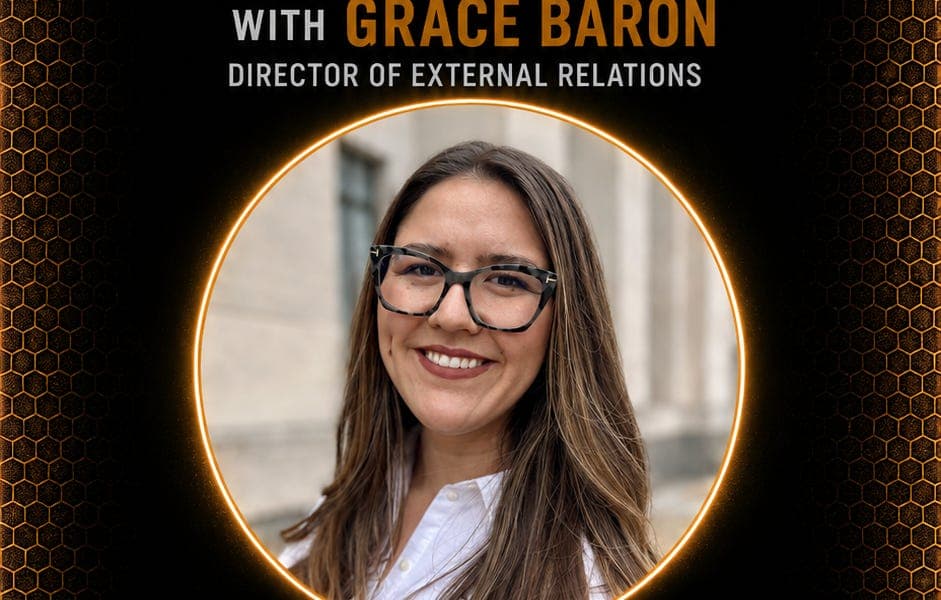
Grace Baron on The Sycamore Institute, Tennessee’s Budget and Impartial Policy Research

Stories of Good Work

Grace Baron on The Sycamore Institute, Tennessee’s Budget and Impartial Policy Research

The Sycamore Institute exists to help Tennesseans understand the issues, data and policy choices shaping the state. In this Season 5 Good Works episode, Brandon Burley talks with Grace Baron, Director of External Relations at The Sycamore Institute, about the organization’s work as an impartial, data-driven research and policy center for Tennessee. The conversation covers Tennessee’s state budget, Sycamore’s budget primer, county-level data, housing research, workforce development, education funding, property taxes, public policy, local governance and why clear information matters for voters, local leaders and communities across all 95 counties. This is a conversation about good work being done quietly: helping people understand the facts before they argue about the policy. I am a retired detective and criminal justice / government educator based in Tennessee. I am a commentary write for Tennessee Lookout and a weekly columnist with Knox TN Today . My work examines public policy, public safety systems and civic responsibility. My reporting and commentary have also appeared in Governing , The Arizona Capitol Times , South Florida Sun Sentinel , Police1 , among other state and regional outlets. Get full access to The Redemption Project Newsroom at newsroom.theredemptionproject.news/subscribe
S4 E5
1364
Open episodeWatch
Also available on
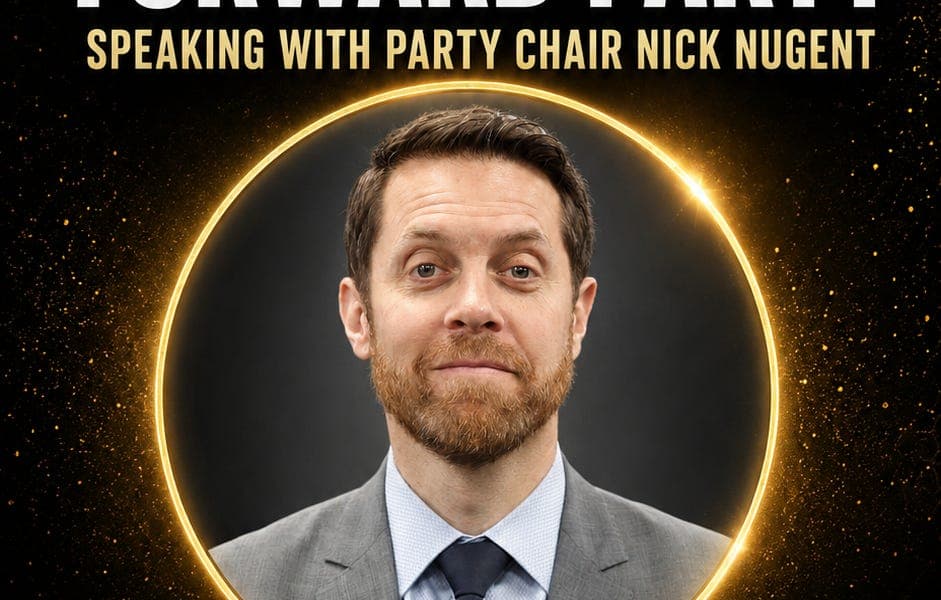
Tennessee Forward Party Chair Nick Nugent on Third Parties, Ballot Access and Breaking the Two-Party Grip

Civic Conversations

Tennessee Forward Party Chair Nick Nugent on Third Parties, Ballot Access and Breaking the Two-Party Grip

What is the Tennessee Forward Party? In this Season 4 Civic Conversation, Brandon Burley talks with Nick Nugent, chair of the Tennessee Forward Party, about what the Forward Party is, why it wants to challenge the two-party system, how third parties try to gain ballot access, and why the party believes Tennessee voters may be hungry for another option. The conversation covers open primaries, ranked-choice and approval voting, gerrymandering, local races, candidate endorsements, Lauren Pinkston, and the Forward Party’s long-term goal of building from the ground up. This is not a campaign ad. It is a civic conversation about how political parties form, how voters get choices and what it would take for a third party to become viable in Tennessee. I am a retired detective and criminal justice / government educator based in Tennessee. I am a commentary write for Tennessee Lookout and a weekly columnist with Knox TN Today . My work examines public policy, public safety systems and civic responsibility. My reporting and commentary have also appeared in Governing , The Arizona Capitol Times , South Florida Sun Sentinel , Police1 , among other state and regional outlets. Get full access to The Redemption Project Newsroom at newsroom.theredemptionproject.news/subscribe
S8 E4
2845
Open episodeWatch
Also available on
More Than a Halfway House: How FOCUS Helps Women Rebuild After Incarceration

Stories of Good Work

More Than a Halfway House: How FOCUS Helps Women Rebuild After Incarceration

Savannah Ford turned 30 years old in jail. The milestone landed harder than she expected. Looking back at her life, she felt as though the only things she had to show for those years were addiction and felony drug charges. She did not yet know what rebuilding would look like. After her release, Savannah entered the residential reentry program operated by FOCUS Women’s Ministry. She had not participated in the organization’s jail classes because FOCUS was not serving the facility where she had been incarcerated. But the ministry still gave her a place in its transitional home—and an opportunity to begin building a life beyond the one she had known Today, Savannah works for FOCUS. In this Season 5 episode of The Redemption Project , Brandon Burley speaks with Savannah about the ministry’s work with incarcerated and newly released women throughout East Tennessee. FOCUS operates what it calls its Behind the Walls and Beyond the Walls programs. Volunteers lead Bible studies, cognitive-behavioral classes and personal-development programs inside county jails and state prisons. The organization currently serves women in Knox, Anderson, Bledsoe, Sullivan, Scott and Blount counties. The work continues after release. FOCUS operates a 12-bed women’s home in Knoxville, where residents participate in a structured nine- to 12-month reentry program. Case managers help women obtain identification documents, apply for benefits, prepare for employment, secure clothing and hygiene supplies and begin learning how to navigate responsibilities that can feel overwhelming after incarceration. But Savannah says the work cannot stop at employment, rent and drug testing. Many of the women entering the program have experienced significant childhood trauma, addiction, abusive relationships and years of believing that pain is all they deserve. Savannah describes trauma as the gateway that often precedes substance use and incarceration. That is why FOCUS attempts to serve the whole person. The ministry provides practical assistance, accountability, relationships and faith-based support. Its goal is not merely to help women avoid another arrest. It is to help them understand their worth, develop healthier patterns and build lives in which they can contribute to their families and communities. FOCUS may technically meet the definition of a halfway house. Its work is intended to go much further. I am a retired detective and criminal justice / government educator based in Tennessee. I am a commentary write for Tennessee Lookout and a weekly columnist with Knox TN Today . My work examines public policy, public safety systems and civic responsibility. My reporting and commentary have also appeared in Governing , The Arizona Capitol Times , South Florida Sun Sentinel , Police1 , among other state and regional outlets. Get full access to The Redemption Project Newsroom at newsroom.theredemptionproject.news/subscribe
S2 E5
1162
Open episodeWatch
Also available on

July 2026

Men of Valor Mash-Up: From Prison to Purpose

Redemption Stories

Men of Valor Mash-Up: From Prison to Purpose

Men of Valor is not just a prison ministry. It is a place where men coming out of incarceration are being challenged, discipled, restored and rebuilt. In this special mash-up episode of The Redemption Project , Brandon Burley highlights voices from Men of Valor — men coming out of jail and prison, men who found faith behind the wall, and leaders helping them return to their families and communities with purpose. This is a story about addiction, incarceration, faith, accountability, reentry and restoration. But more than anything, this is a redemption story. I am a retired detective and criminal justice / government educator based in Tennessee. I am a commentary write for Tennessee Lookout and a weekly columnist with Knox TN Today . My work examines public policy, public safety systems and civic responsibility. My reporting and commentary have also appeared in Governing , The Arizona Capitol Times , South Florida Sun Sentinel , Police1 , among other state and regional outlets. Get full access to The Redemption Project Newsroom at newsroom.theredemptionproject.news/subscribe

S18 E1
80
Open episodeWatch
Also available on
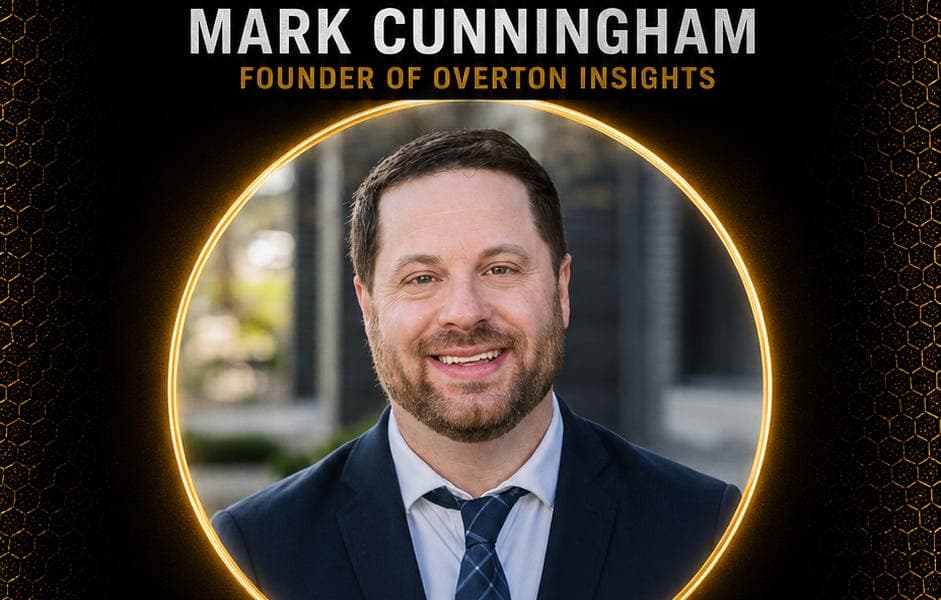
A Poll Is Not a Prediction: Mark Cunningham on Reading the Numbers Without Being Misled

Civic Conversations

A Poll Is Not a Prediction: Mark Cunningham on Reading the Numbers Without Being Misled

The numbers are interesting. They are also easy to overread. A poll can tell us something useful about public opinion at a particular moment. It cannot guarantee what voters will do weeks or months later, predict every change in a campaign or turn a small lead into a certain election result. In this Season 4 Civic Conversation, Brandon Burley speaks with pollster Mark Cunningham about what polls actually measure, how scientific surveys are constructed and why the public should be cautious when campaigns, media outlets and social media accounts turn numbers into narratives. Cunningham is the director of polling at Overton Insights and the original founder of the Beacon Poll. He explains sample sizes, margins of error, toplines, crosstabs, likely-voter models and the difference between public polling, internal campaign polling, online surveys and straw polls. The conversation also examines push polling, question wording, demographic weighting and the ways even a professionally conducted poll can be selectively quoted or misunderstood. A topline may show the overall result, while the underlying groups reveal a much more complicated story. A candidate may lead today and lose later—not necessarily because the poll was fraudulent, but because voters, events and conditions changed. Brandon and Mark also discuss prediction markets, exit polling and why people become defensive when polling does not support the candidate or outcome they want. The most important lesson is not that every poll is right or that every poll should be trusted. It is that polls should be read carefully. Who paid for the research? How were the questions worded? Who was surveyed? Does the sample resemble the population being discussed? What is the margin of error? Does the polling organization have a reliable record? Before celebrating a poll—or dismissing it—slow down and look at what the numbers actually say. A poll is a snapshot in time. It is not the election result. I am a retired detective and criminal justice / government educator based in Tennessee. I am a commentary write for Tennessee Lookout and a weekly columnist with Knox TN Today . My work examines public policy, public safety systems and civic responsibility. My reporting and commentary have also appeared in Governing , The Arizona Capitol Times , South Florida Sun Sentinel , Police1 , among other state and regional outlets. Get full access to The Redemption Project Newsroom at newsroom.theredemptionproject.news/subscribe
S15 E4
3385
Open episodeWatch
Also available on
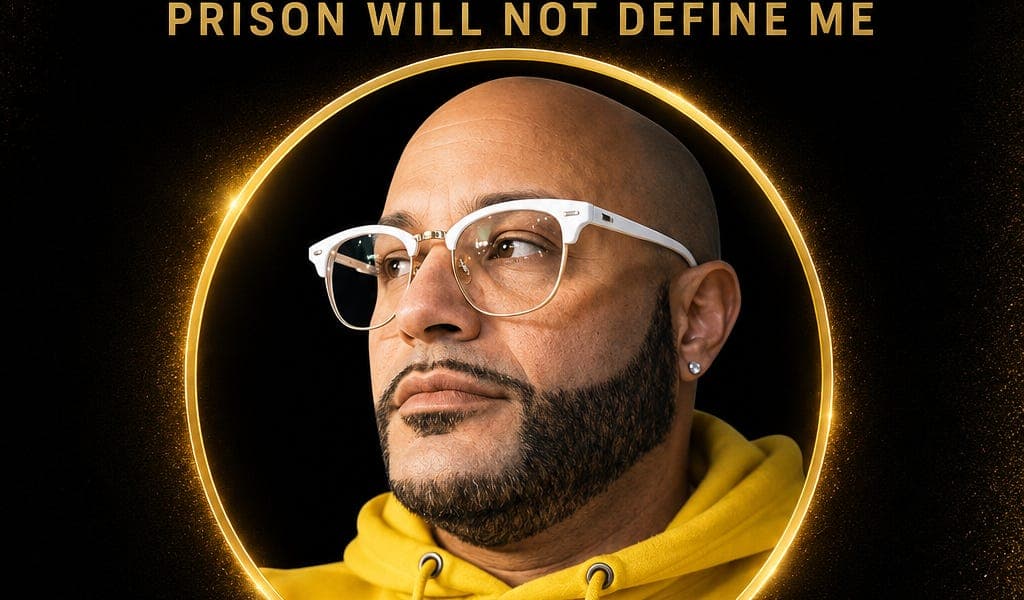
Mark David Grasso: Addiction, Prison and the Recovery Work That Finally Broke the Cycle

Redemption Stories

Mark David Grasso: Addiction, Prison and the Recovery Work That Finally Broke the Cycle

Mark David Grasso did not describe his childhood as the worst story anyone had ever heard. That is part of what makes it important. He grew up in a single-parent home. His mother struggled with mental health issues and physical limitations after being hit by a car. His older sisters moved out when he was young, leaving Mark and his mother together in a house where he often felt like the child and the counselor at the same time. From the outside, things may have looked fine. Behind closed doors, they were more complicated. There were control issues. Criticism. Pressure. A picture the family wanted others to see and a reality that did not always match it. Mark is careful not to exaggerate his childhood. He was not starved. He was not beaten. He does not tell the story as if he had the worst upbringing imaginable. But that is exactly why his point matters. Trauma does not always arrive in the form people expect. Sometimes people normalize it because it does not look extreme enough to count. Sometimes a young person grows up carrying things he does not yet know how to name. When Mark was 16, almost 17, he left home after his mother found him smoking cigarettes and told him either the cigarettes had to go or he did. He was already looking for a reason to leave. Then came freedom. For the first time, Mark could make decisions for himself. He could wear what he wanted. Go where he wanted. Spend time with who he wanted. But freedom without preparation can become its own danger. Mark had been controlled, but he had not been taught consequences. He had been protected from decisions, but not prepared to make them. Soon he was hanging out with older cousins, going to parties, smoking weed and experimenting with pills. The OxyContin wave was moving through his world. What began as occasional use became something more serious. Then he joined a gang. There, he found something he had been missing. Acceptance. Camaraderie. A sense of worth. A place to belong. That belonging came with a cost. Mark started selling drugs. He started selling heroin. By 18, he had graduated high school, had his own apartment, had two cars and was making more money than he knew what to do with. At that age, he thought he had everything figured out. Then came the fall. Literally. Mark was helping a neighbor put a roof on a house when it started raining. A tarp became slick. An air hose he had wrapped around the chimney was moved. Mark fell from the roof and was knocked unconscious. The next day, the pain came. People around him told him which doctor to see. The doctor prescribed him the same kind of pills Mark had already been around in the drug world. At first, Mark saw the medication as something that could help the pain and maybe even make him money. Then he became physically dependent. When that doctor was arrested for overprescribing, Mark’s supply ran out. Withdrawal came hard. A cousin told him heroin was the same thing. Mark resisted. Then he used. And when he did, the sickness and fear melted away. That moment changed everything. Very quickly, the apartment, cars and money disappeared. He went from selling drugs to stealing roofing guns from Home Depot. He tried rehab, but thought five days of detox would fix his life. It did not. Before his 19th birthday, Mark was arrested for selling narcotics. He thought the system might help him. Instead, he got a felony conviction and incarceration. That became the pattern. Get out. Use again. Violate. Go back. Get out again. Sell drugs again. Return to what he knew. Again and again, Mark says he lived his life on the installment plan. Each time he came home, he had no real foundation. No stable path. No strong social support. No job skills that could compete with the money he remembered from the drug trade. No real transition plan that helped him become someone different. He could get a low-wage job. He could sleep on a couch. He could report to supervision. He could pee in a cup. But none of that changed the things that had shaped him. So he returned to the same life. For Mark, one of the most honest lines in the conversation is also one of the most important: There was a point where he operated better in an institution than he did in the real world. That is not an excuse. It is an indictment of a system that often punishes people, releases them and then seems surprised when they return unchanged. Mark eventually became conditioned to consequences. Prison no longer shocked him. He knew how to survive there. He knew how to fill out the paperwork. He knew the routines. He knew the rules. He knew the culture. The boiling water did not scare him anymore because the temperature had risen slowly over time. He was cooking himself to death. Then the safety net disappeared. His family reached a point where they told him, in effect, if he wanted to live that lifestyle, he could choose it, but they were not going to live it with him anymore. No more money. No more cards. No more commissary. No more cushion. No more soft landing. During his last incarceration, COVID hit. He was inside prison, isolated, cut off and facing a different kind of reality. He began to ask himself what he had to go home to. The answer was almost nothing. An ankle monitor. A bar of Irish Spring. That was about it. That kind of emptiness can break a person. For Mark, it helped wake him up. He entered a recovery community program inside the Connecticut prison system called Tier 4. He had avoided it for years because of the stigma around it. People called it a snitch program. They said it was a setup for failure. This time, he went anyway. That decision changed the direction of his life. The program was structured. It emphasized accountability, mindfulness and peer correction. At first, it did not look like freedom. It looked like rules. But inside that structure, Mark found something he had not found in previous cycles. A way forward. A recovery coach from CCAR came into the prison. Mark listened and realized this might be work he could actually do. His criminal history and addiction history would not automatically disqualify him. In that field, lived experience could become part of the work. That mattered. A woman running the program, Morgan Cease, saw something in him. She allowed him to begin finding his way. Mark started facilitating groups. He and another incarcerated man created a six-week employment readiness program. They ran recovery meetings. He began to see himself in a different role. Not as the addict. Not as the dealer. Not as the gang member. Not as the inmate who knew how to survive prison better than freedom. As someone who could help. When Mark came home, he kept going. He went through recovery coach training. While in a halfway house, he applied for jobs he did not technically have the credentials for. His resume looked strong because the experience was real, even if it had been gained inside prison. In one interview, he told the truth. He was on parole. He was in a halfway house. His experience came from prison. This is what he had done. This is what he wanted to do now. The man interviewing him told Mark someone had once given him an opportunity, and now he was going to extend one to Mark. That opportunity mattered. Mark started by cleaning toilets and making beds at a treatment facility. Within six months, he became facilities manager over six facilities. From there, he kept moving forward. Today, Mark is the program manager of the Family Reentry Recovery Community Center in Bridgeport, Connecticut. He helped open the center more than two years ago. The center works with people in recovery and reentry, helping them build plans around their goals, barriers, strengths, fears and next steps. That is where Mark’s story becomes bigger than one man. Because what he now knows from both sides of the system is simple: People need to be met where they are. Not where a program wishes they were. Not where a court file reduces them. Not where society assumes they should be by now. Where they actually are. Mark is clear that recovery does not look the same for everyone. What works for one person may destroy another. There are as many paths to recovery as there are people trying to recover. That does not mean anything goes. It means help has to be honest. It has to be individualized. It has to ask better questions. What are your goals? What are your barriers? What has worked before? What has not worked? What are you willing to try? What scares you? What kind of support do you actually need? That is not soft thinking. That is practical thinking. Because if society releases people from prison without changing the circumstances that helped put them there, it should not act shocked when many return to the same places, same pressure, same desperation and same old patterns. Punishment alone does not build a life. In the conversation, Mark says that at 18, society would have spent less money giving him long-term treatment, safe housing, clothes, transportation, job skills and a foundation than it spent cycling him through prison again and again. That line matters because it reframes the public question. This is not only about compassion. It is also about public safety. If more than 90 percent of incarcerated people are eventually coming home, then the question is not whether they will be released. The question is what kind of neighbor they will be when they return. Do we want people released with skills, treatment, support and accountability? Or do we want to keep doing the same thing and expecting different results? Mark’s life is proof that people can change. It is also proof that change usually needs more than a locked door. He needed consequences. But he also needed structure. He needed accountability. But he also needed opportunity. He needed to lose the safety net. But he also needed someone to help him build a foundation. That is redemption. Not a slogan. Not a shortcut. Not a denial of the harm addiction and crime caused. Redemption is what happens when a man finally stops cooking himself to death and starts building something that can help someone else live. Today, Mark says one thing clearly: He is not going back to prison. Not because the past was fake. Not because the consequences did not matter. Not because the struggle disappeared. But because he has seen another way to live. This is Mark David Grasso’s story. And this is The Redemption Project. I am a retired detective and criminal justice / government educator based in Tennessee. I am a commentary write for Tennessee Lookout and a weekly columnist with Knox TN Today . My work examines public policy, public safety systems and civic responsibility. My reporting and commentary have also appeared in Governing , The Arizona Capitol Times , South Florida Sun Sentinel , Police1 , among other state and regional outlets. Get full access to The Redemption Project Newsroom at newsroom.theredemptionproject.news/subscribe
S18 E2
2048
Open episodeWatch
Also available on
Breaking Destructive Cycles: How Blue Monarch Rebuilds Mothers, Children and Families

Stories of Good Work

Breaking Destructive Cycles: How Blue Monarch Rebuilds Mothers, Children and Families

When a mother enters recovery, her children do not simply wait outside the process. They may have witnessed addiction, instability, incarceration, violence or the removal of a parent from the home. They may also be carrying trauma of their own—sometimes without the words to explain what happened. Blue Monarch was created around the belief that lasting recovery requires helping the entire family heal. In the Season 5 premiere of The Redemption Project , Brandon Burley speaks with Shakia, Blue Monarch’s officer of development and community relations—and a graduate of the program herself. After struggling with opioid addiction for 14 years and cycling through programs that did not provide enough time or support, Shakia reached a breaking point following a near-fatal automobile crash. Her arrival at Blue Monarch began a long recovery process that she says changed not only her life, but the lives of her children. Blue Monarch is a long-term, faith-based residential program serving mothers and children affected by addiction, abuse and economic hardship. Women may enter with their children or begin the program while working toward restoring custody. The organization places equal emphasis on the mother’s recovery and the child’s healing. The residential phase lasts approximately 18 to 24 months. During that time, women participate in individualized counseling, group therapy, parenting education, cognitive-behavioral programming, spiritual development and intensive life-skills work. Recovery is treated as their full-time job. Graduates may then enter WINGS—Women in Newly Grounded Success—a transitional community where families can live in onsite cottages while the mother begins working, pursuing education and building greater independence. A family completing the full continuum may receive nearly three years of structured support. Brandon and Shakia also discuss Blue Monarch’s relationships with courts, probation officers, the Tennessee Department of Correction and the Department of Children’s Services. Some women arrive after incarceration, while others are referred by judges, caseworkers or community partners. The organization is now expanding its campus, constructing a multipurpose building and planning additional housing and childcare resources so it can serve more families. This is not a story about temporarily removing a woman from addiction. It is about rebuilding the life beneath it—and giving her children the opportunity to grow up without repeating the same cycle. I am a retired detective and criminal justice / government educator based in Tennessee. I am a commentary write for Tennessee Lookout and a weekly columnist with Knox TN Today . My work examines public policy, public safety systems and civic responsibility. My reporting and commentary have also appeared in Governing , The Arizona Capitol Times , South Florida Sun Sentinel , Police1 , among other state and regional outlets. Get full access to The Redemption Project Newsroom at newsroom.theredemptionproject.news/subscribe
S1 E5
1700
Open episodeWatch
Also available on
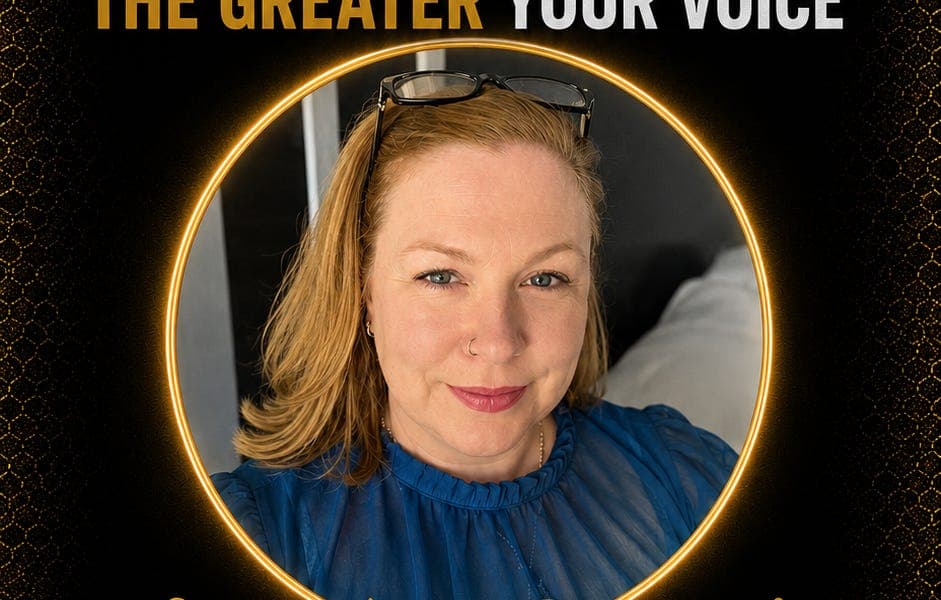
The Smaller the Race, the Greater Your Voice: Katie Growden on Voting, Local Power and Civic Confidence

Civic Conversations

The Smaller the Race, the Greater Your Voice: Katie Growden on Voting, Local Power and Civic Confidence

Voting can feel complicated long before anyone reaches the polling place. People register, but then struggle to find reliable information about the candidates. They may not understand what will appear on their ballot, where to research a local race or whether it is acceptable to admit that they have questions. For some voters, that uncertainty becomes embarrassment. Eventually, embarrassment becomes disengagement. In this Season 4 Civic Conversation, Brandon Burley speaks with Katie Growden, Tennessee state manager for Save the Children Action Network, about helping people move from uncertainty to informed civic participation. Katie explains how her organization connects registered voters with practical resources, encourages people to examine the races that affect their daily lives and helps communities understand the influence they already possess. The conversation explores local elections, primary participation, sample ballots, candidate events, social media research and the importance of asking candidates open-ended questions about how they intend to govern. Brandon and Katie also discuss something increasingly absent from political conversations: curiosity. Instead of treating disagreement as hostility, voters can ask clarifying questions, examine why a statement produced an emotional reaction and seek spaces where policy can be discussed without personal attacks or partisan performance. This conversation is not about telling anyone how to vote. It is about helping people understand what they are voting on, where to find trustworthy information and why school boards, sheriffs, county mayors, city commissions and other local offices may influence their lives more directly than the national races receiving most of the attention. Because the smaller the race, the greater your voice. Get full access to The Redemption Project Newsroom at newsroom.theredemptionproject.news/subscribe
S14 E4
2689
Open episodeWatch
Also available on
From prison to redemption

Redemption Stories

From prison to redemption

Derrick Westfield did not begin life with the story many people might expect. He was not raised in a home without both parents. He did not describe his childhood as a broken home. His mother and father worked. His family was together. He had a nice childhood. Then, when Derrick was 12 years old, his father died on his birthday. That loss changed the shape of the family. The structure began to loosen. The brothers began moving in different directions. Derrick found himself drawn more and more toward the neighborhood, toward the streets, toward the people and patterns that would eventually help define the next part of his life. By 16, Derrick was carrying a gun. Then a drug deal went wrong. The result was a murder charge, an attempted murder charge and a prison sentence that would follow him for years. Derrick was sentenced as an adult. He received 22 years for murder and eight years for attempted murder, with the sentences running together. He served 10 years, made parole in 2004, violated parole, returned to prison, got out again, violated again and eventually flattened that original sentence in 2011. But prison did not immediately transform him. In those early years, Derrick said prison was not filled with programs, school or structured rehabilitation the way people may imagine today. “You just did time.” That is one of the hard truths of this episode. Prison can punish a person without changing him. It can separate a man from society without giving him the tools, accountability, discipleship or structure needed to become someone different. For Derrick, prison also became the place where gang identity became more official. The streets had already shaped him, but prison hardened the identity. He described those years simply: banging, smoking weed and doing time. But even then, God was not absent. Derrick can look back now and see moments when the Lord was knocking. One of those moments came during a Christmas banquet inside the prison. A group from the outside came in. Derrick had a name tag on. Some women recognized his last name because they knew his mother. One of them took him aside, grabbed his hand and began to pray. Derrick was not spiritually grounded at that time. He was not walking with the Lord. But something about that prayer stayed with him. The woman prayed about the love of money. Later, Derrick opened a small Bible-like booklet and landed on Proverbs 13:11, a verse about wealth gained dishonestly diminishing. That verse hit him because greed and the love of money were part of the bondage that had helped lead him into the life he was living. He did not fully change in that moment. That is important. Sometimes a seed is planted long before the harvest shows up. Derrick remembers the prayer more than the messenger. He does not remember the woman’s name. He does not remember her face. But more than two decades later, he remembers what happened when she prayed. That was not the end of the story. After Derrick came home, he went back to the life. Not because he did not know better. Because the old identity was still there. The streets were still there. The money was still there. The temptation was still there. And the lie was still there: this time, I can do it smarter. That lie is not unique to Derrick. It is one of the oldest traps in the world. The belief that a person can return to the same destructive pattern but somehow control the ending this time. Derrick could not. During one parole violation, he went back to prison and encountered a man who called himself Brother Derrick. The man came in preaching and speaking about a life that lined up directly with Derrick’s own. He walked past other cells, came back to Derrick’s, tapped on the window and began speaking life over him. Derrick saw that as another moment where God was reaching for him. He began reading more. He started going to church. He watched sermons. Something was stirring. But when he got out again, the old life pulled him back. Then came another violent incident. During a fight inside a home, Derrick ran through a painted-over glass door and severely cut his arm. He could see the bone. He had severed an artery. Blood was everywhere. When he reached the hospital, a doctor told him he may have had only about 90 seconds left. Then the doctor told him something Derrick never forgot: “Just change it.” Derrick does not remember the doctor’s name. He does not remember his face. But he remembers the message. Just change it. He was taken from the hospital back to jail and eventually back to prison. This time, something began to deepen. Derrick started reading, writing poetry, journaling and praying. Other men noticed. They began asking questions. They began coming around him. A small Bible study began to form. But when he got out, he was separated from that spiritual community. One man told him, “When a banana gets separated from the bunch, it gets peeled.” That is exactly how Derrick describes what happened. He came home. He needed a job. He needed to catch up. He felt behind. And instead of staying rooted, he went back to selling drugs. That led to another arrest. This time, Derrick faced a new 12-year sentence at 100%. Before prison, he spent about 10 months in county jail. That is where the real transformation began. He was placed in a cell where he could not see the television. He said he did not have a mat for two weeks. He did not have the basic items he expected. He was angry. He was frustrated. He was sitting at the bottom. Then the breakdown came. He thought about the time he was facing. He thought about his daughter, who was still very young. He thought about his life. And then the tears came. For weeks, Derrick said it felt like God was washing him clean. Memories came back. Things he had forgotten came to mind. He began repenting, not casually, but deeply. He wanted something to read. He prayed for something to read. Then a man came through with a cart. He went to other cells. He started to leave. Then he looked around, came upstairs, tapped on Derrick’s window and held up a Bible. Derrick still has that Bible. When he opened it, he landed in Romans 8. For the first time, he said, he understood what he was reading. It was not just words on a page. It was as if the Scripture was being opened to him. From that moment on, he could not get enough. He started another Bible group in jail. He prayed with other men. He made prayer lists. He began walking in a different identity. And when he returned to prison, the first thing he felt God call him to do was let go of the old one. He denounced the gang. He told the men who knew him not to call him by that name anymore. Just call me by my name. That was not a small thing. For years, that identity had shaped him. It had given him a place, a name, a code and a role. Letting it go could have made prison harder. It could have put him in danger. And at one point, it almost did. Derrick was called to the ballfield by someone with influence. Younger men were nearby. Derrick understood body language. He knew something was off. But as he began explaining what God had done in his life, the conversation changed. The man told him the others had been there to get him. Then he said that was not going to happen. Instead, he wanted to talk. He wanted to understand how Derrick had gotten free. He wanted to know how to let go. That is redemption. Not that the past disappeared. Not that the harm was erased. Not that consequences vanished. But that the identity which once held Derrick began to lose its grip. In Part I of this conversation, Derrick’s story moves through grief, violence, prison, gang life, parole violations, spiritual encounters, repentance, Romans 8 and the beginning of a new life. The wound did not get the final word. The charge did not get the final word. The gang did not get the final word. The sentence did not get the final word. God was writing in places Derrick did not yet know how to read. And by the time Derrick opened that Bible in a county jail cell, the story he thought was over was only beginning to change. This is Derrick Westfield’s story. And this is The Redemption Project. I am a retired detective and criminal justice / government educator based in Tennessee. I am a commentary write for Tennessee Lookout and a weekly columnist with Knox TN Today . My work examines public policy, public safety systems and civic responsibility. My reporting and commentary have also appeared in Governing , The Arizona Capitol Times , South Florida Sun Sentinel , Police1 , among other state and regional outlets. Get full access to The Redemption Project Newsroom at newsroom.theredemptionproject.news/subscribe
S2 E15
1692
Open episodeWatch
Also available on
Redemption Isn’t Always Rescue—Sometimes It’s Faithfulness

Redemption Stories

Redemption Isn’t Always Rescue—Sometimes It’s Faithfulness

If you’re wondering, why are these stories being re-uploaded this week . . . well, I was integrating my server from an old one to a new one when POOF, several redemption stories vanished. That said, these stories DESERVE to be told. So I am sharing them again! Most redemption stories begin with collapse. This one begins with calling. When I sat down with Matt Mihelic , there was no dramatic confession. No public fall from grace. No moment that required headlines. And yet—his story is a reminder of something we don’t talk about enough: Redemption isn’t only about being saved from destruction.Sometimes it’s about being redirected from comfort . Matt grew up in the church. Faith wasn’t foreign to him. He knew Scripture. He knew structure. He knew what a “successful” path looked like. Law school made sense . A JD made sense. Stability made sense. But over time, something else grew louder. A desire to preach.A burden for the local church.A restlessness that credentials couldn’t quiet. Instead of silencing that call, Matt listened. After law school, he did what almost no one expects—he became a missionary. Uganda. Church planting. Long stretches away from home. Physical illness. Recovery. Prayer. And then, unexpectedly, Knoxville re-entered the picture. The city he once assumed he’d leave behind became a burden he couldn’t shake. What followed wasn’t a grand launch—it was obedience. When Matt arrived at Island Home Baptist Church , it was hurting. No pastor for over two years. Key leaders lost during the search process. Attendance dwindled. Records incomplete. Hope thin. Fourteen people showed up that first Sunday. Not fourteen staff members. Fourteen people. Redemption doesn’t rush moments like that. It sits in them. Matt didn’t come in with a rebrand. He didn’t chase trends. He made a simple commitment: preach the Word, care for people, and trust God to do the work. And slowly—He did. Healing came before growth. Trust before momentum. Structure before scale. The church rebuilt membership intentionally. Leadership was clarified. Teaching deepened. Unity strengthened. Today, Island Home looks nothing like it did in those early days—but the credit doesn’t belong to strategy. It belongs to God. That same posture now defines Matt’s broader role in the city. As Chair of the Knox County Church Network , he works alongside pastors from different denominations—churches that don’t agree on everything, but agree on the Gospel. The network doesn’t exist to manufacture unity, Matt says—it exists to express the unity that already exists in Christ. Together, they pray.They share burdens.They respond to real needs—like addiction, recovery, and community care—through partnerships like the Renew Clinic. It’s not flashy work. It’s faithful work. And that’s what makes this a redemption story. Because redemption isn’t always dramatic.It isn’t always public.And it isn’t always fast. Sometimes it’s a man choosing obedience over prestige.A pastor choosing patience over numbers.A network choosing prayer over control. Sometimes redemption looks like this: Staying.Serving.Trusting that the Word will do the work. That kind of story won’t always trend. But it lasts. I am a retired detective and criminal justice / government educator based in Tennessee. I am a commentary write for Tennessee Lookout and a weekly columnist with Knox TN Today . My work examines public policy, public safety systems and civic responsibility. My reporting and commentary have also appeared in Governing , The Arizona Capitol Times , South Florida Sun Sentinel , Police1 , among other state and regional outlets. Get full access to The Redemption Project Newsroom at newsroom.theredemptionproject.news/subscribe
S1 E17
1306
Open episodeWatch
Also available on
From Abortion Pain to Healing, Hope and Purpose: The Redemption Story of Breanna Houston

Redemption Stories

From Abortion Pain to Healing, Hope and Purpose: The Redemption Story of Breanna Houston

Breanna Houston remembers being 18 years old, living in a college dorm and realizing she was pregnant. She was scared. She was the first in her family to attend college. She had plans. She wanted a future in television. She wanted to be a producer. And in that moment, the story she had absorbed from the world around her seemed simple: A pregnancy would ruin everything. So she did what many young women do when fear becomes louder than everything else. She kept it quiet. She did not tell her parents. She went to Planned Parenthood. Her story is Season 1, Episode 16 of The Redemption Project . It is a story about abortion, grief, faith, forgiveness and what happens when the part of your life you most want to hide becomes the place where God begins His deepest work. Breanna did not grow up in a deeply discipled Christian home. She was introduced to faith as a child, but by the time she reached college, God was not the center of her life. She was focused on friends, boys and the future she wanted to build. Then she got pregnant. At 18, away from home and with her future seemingly on the line, she panicked. She knew her parents loved her. She believed they would have helped her. But fear has a way of narrowing a person’s vision. She carried the weight of being the first in her family to attend college and did not want to disappoint anyone. So she looked for what the culture had told her was the solution. “I have this problem,” she remembered thinking. “This is what you do.” Before the abortion, Breanna believes God tried to reach her. She describes preparing for the appointment and suddenly having what she now sees as a spiritual encounter. At the time, she thought it might have been a panic attack. Looking back, she believes the Lord was showing her the truth. But fear kept moving her forward. At the clinic, she remembers the ultrasound. She was told she was around eight weeks pregnant. She looked at the screen and saw what appeared to be a small dot. Her reaction was relief. She thought they had caught it in time. One of the painful realities of Breanna’s story is that she did not fully understand what was happening. Not because she lacked intelligence or compassion, but because she was young, frightened and processing everything through the lens she had been given. When she returned for the abortion, the atmosphere felt different. She remembers the pace, the sounds, the pain and eventually being sent home. Then she slept. But something had changed. She could not yet put words to it, but she felt loss. And that loss followed her for year s. Later, Breanna heard the Gospel in a small church and broke down. She remembers retreating to a bathroom and crying uncontrollably as the truth of God’s grace finally reached places she had spent years trying to hide. She accepted Christ’s forgiveness. But accepting forgiveness from God and receiving it fully in your own heart are not always the same thing. For years, Breanna carried unforgiveness toward herself. It was a quiet prison. No bars. No public sentence. Just the same private accusation repeated again and again. Life moved forward. She married. She had children. The abortion became part of her past. Or so she thought. Then one day, after the birth of her son Oliver, she was sitting in her kitchen. An ultrasound picture from early in her pregnancy was attached to the refrigerator. She looked at the image. Then she looked at her six-month-old son. Then she looked back at the ultrasound. In that moment, years of buried grief surfaced all at once. The pain finally had a name. The loss became real in a way it never had before. Grief does not always wait for understanding before it arrives. For a season, the weight of that realization pulled her into a darker place. But God was not finished with her story. Not long afterward, her church offered a Bible study for women who had experienced abortion called Forgiven and Set Free. Breanna attended. The study did not erase the past. It did not make the abortion disappear. What it did was force her to confront a truth she had spent years resisting. If Christ had forgiven her, who was she to continue condemning herself? She came to understand that holding on to unforgiveness was not humility. It was refusing to receive a gift Christ had already given. That realization changed everything. Not overnight. But steadily. The grief remained real. The forgiveness became real, too. For the first time, Breanna began to understand that redemption is not pretending sin never happened. Redemption is what happens when God’s grace reaches the very place where shame once lived. Over time, God began transforming the most painful chapter of her story into a ministry for others. Today, Breanna works with Alliance Family Services and is helping develop a pregnancy-resource clinic effort in Lenoir City. Her desire is simple: to meet women in moments of fear and help them understand they are not alone. To provide support before panic makes the decision. To offer hope before someone believes there are no options. To share truth, compassion, practical help and the Gospel with women facing some of the hardest moments of their lives. Before the ministry, there was mercy. Before the mission, there was grace. Before she could help others, God had to heal her. That is what makes this a redemption story. Not that the past disappeared. Not that the wound was erased. But that the wound did not get the final word. Today, Breanna wants women facing unexpected pregnancies to know they are not alone. She wants women carrying abortion grief to know they are not beyond forgiveness. And she wants people who believe their worst decision defines them to know something she learned the hard way: God’s grace reaches farther than our shame. The chapter Breanna most wanted hidden became the chapter God used most. That is redemption. And that is why her story matters. I am a retired detective and criminal justice / government educator based in Tennessee. I am a commentary write for Tennessee Lookout and a weekly columnist with Knox TN Today . My work examines public policy, public safety systems and civic responsibility. My reporting and commentary have also appeared in Governing , The Arizona Capitol Times , South Florida Sun Sentinel , Police1 , among other state and regional outlets. Get full access to The Redemption Project Newsroom at newsroom.theredemptionproject.news/subscribe
S1 E16
1848
Open episodeWatch
Also available on

May 2026

Criminal Justice Is Tested After Release

Systems Explained

Criminal Justice Is Tested After Release

by Brandon Burley and The Redemption Project Sentencing may dominate debate, but many of the most important public safety outcomes begin after someone returns to the community. We still measure criminal justice at the wrong moment. Most public debate focuses on sentencing, incarceration levels, and whether punishment sounds tough enough. But the most important question usually begins after someone leaves prison or jail. That is because most people who are incarcerated will eventually return to their communities, and the first year after release is often the most unstable part of the entire process. Housing problems, unemployment, untreated addiction, and weak supervision can all collide at once. When that happens, repeat offending often begins long before the next arrest ever appears in public statistics. That is why criminal justice is not really tested in the courtroom. It is tested after release, when structure becomes thinner and risk becomes real. Many policies are debated at sentencing. But outcomes are often decided later, when someone returns to unstable conditions and systems become less structured. That is where public safety either holds or begins to weaken again. I am a retired detective and criminal justice / government educator based in Tennessee. I am a commentary write for Tennessee Lookout and a weekly columnist with Knox TN Today . My work examines public policy, public safety systems and civic responsibility. My reporting and commentary have also appeared in Governing , The Arizona Capitol Times , South Florida Sun Sentinel , Police1 , among other state and regional outlets. Get full access to The Redemption Project Newsroom at newsroom.theredemptionproject.news/subscribe

S3 E11
52
Open episodeWatch
Also available on
Tennessee Gubernatorial Roundtable 2026

Civic Conversations

Tennessee Gubernatorial Roundtable 2026

Thank you to everyone who tuned into my live video! Join me for my next live video in the app. I am a retired detective and criminal justice / government educator based in Tennessee. I am a commentary write for Tennessee Lookout and a weekly columnist with Knox TN Today . My work examines public policy, public safety systems and civic responsibility. My reporting and commentary have also appeared in Governing , The Arizona Capitol Times , South Florida Sun Sentinel , Police1 , among other state and regional outlets. Get full access to The Redemption Project Newsroom at newsroom.theredemptionproject.news/subscribe
S4 E5
2759
Open episodeWatch
Also available on
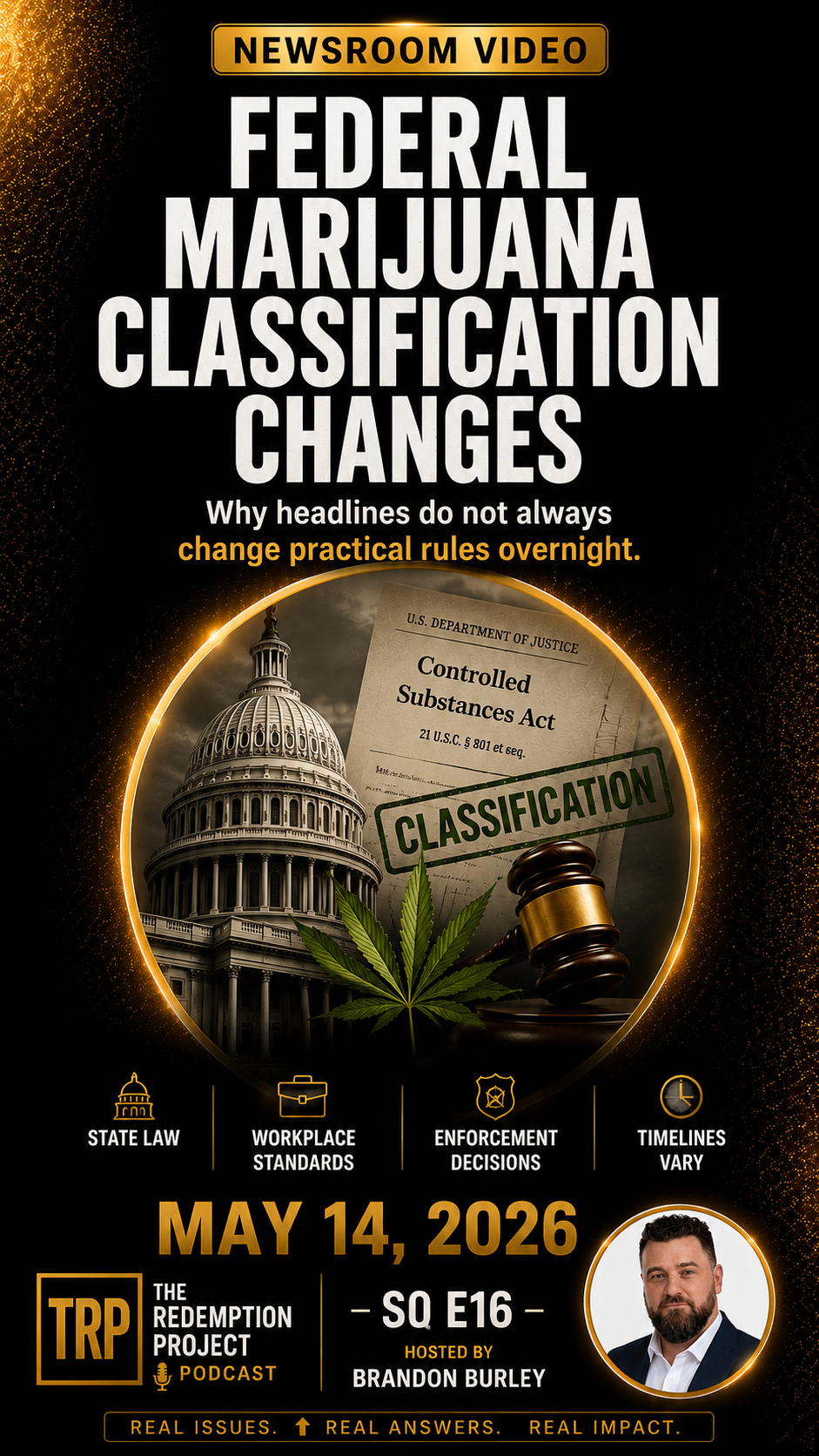
Federal marijuana classification changes

The Redemption Project Podcast

Federal marijuana classification changes

by Brandon Burley and The Redemption Project When federal marijuana classification changes, many people assume practical rules shift immediately. In reality, state law, workplace standards, and enforcement decisions often continue operating under separate timelines for much longer than headlines suggest. I am a retired detective and criminal justice / government educator based in Tennessee. I am a commentary write for Tennessee Lookout and a weekly columnist with Knox TN Today . My work examines public policy, public safety systems and civic responsibility. My reporting and commentary have also appeared in Governing , The Arizona Capitol Times , South Florida Sun Sentinel , Police1 , among other state and regional outlets. Get full access to The Redemption Project Newsroom at newsroom.theredemptionproject.news/subscribe
S0 E16
44
Open episodeWatch
Also available on
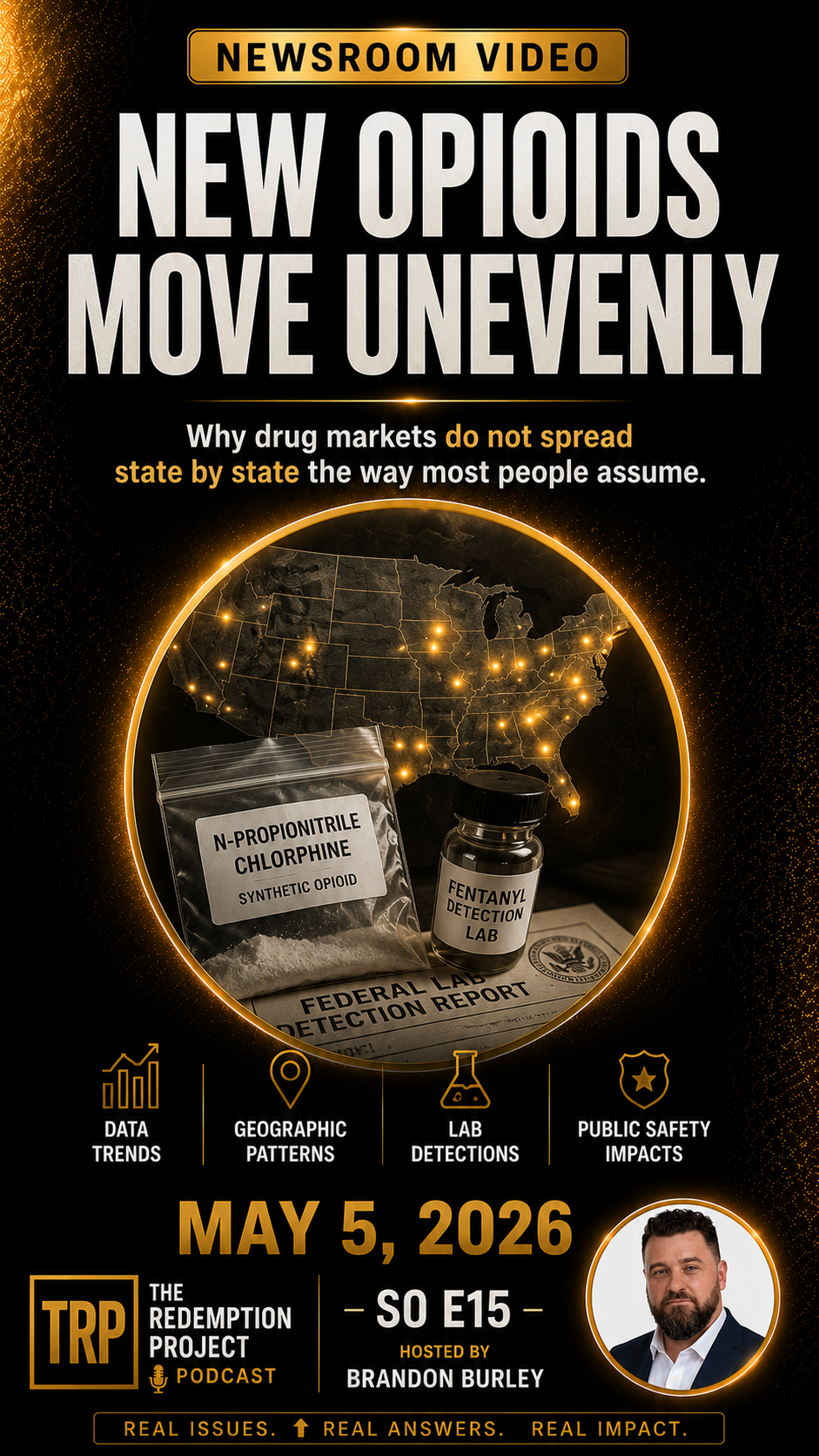
New Opioids Move Unevenly

The Redemption Project Podcast

New Opioids Move Unevenly

by Brandon Burley and The Redemption Project Federal detections of a new synthetic opioid show why drug markets do not spread state by state the way most people assume. Federal laboratory detections of a new synthetic opioid known as N-propionitrile chlorphine are raising broader questions about how emerging drug compounds move through U.S. supply networks. The compound was first confirmed by a DEA laboratory in 2024, with later detections reported in states including Texas, California, Illinois, Missouri, and Tennessee. New Mexico reports no confirmed identifications to date. State officials say the compound has not been detected in seized materials there, but that existing laboratory workflows would be capable of identifying it if it appeared. Forensic experts note that synthetic opioids do not spread state by state in a predictable pattern. They move through trafficking networks, wholesale relationships, and supply hubs, often appearing in one region while remaining absent in nearby states. That means the more important question is not whether a compound has reached a state yet. It is whether surveillance systems are prepared to recognize it when it does. Drug markets often follow relationships, logistics, and supply chains rather than geography. A compound may surface repeatedly in one region while remaining absent nearby for months or longer. That is why laboratory readiness often matters more than assumptions based on maps. I am a retired detective and criminal justice / government educator based in Tennessee. I am a commentary write for Tennessee Lookout and a weekly columnist with Knox TN Today . My work examines public policy, public safety systems and civic responsibility. My reporting and commentary have also appeared in Governing , The Arizona Capitol Times , South Florida Sun Sentinel , Police1 , among other state and regional outlets. Get full access to The Redemption Project Newsroom at newsroom.theredemptionproject.news/subscribe
S0 E15
64
Open episodeWatch
Also available on

April 2026

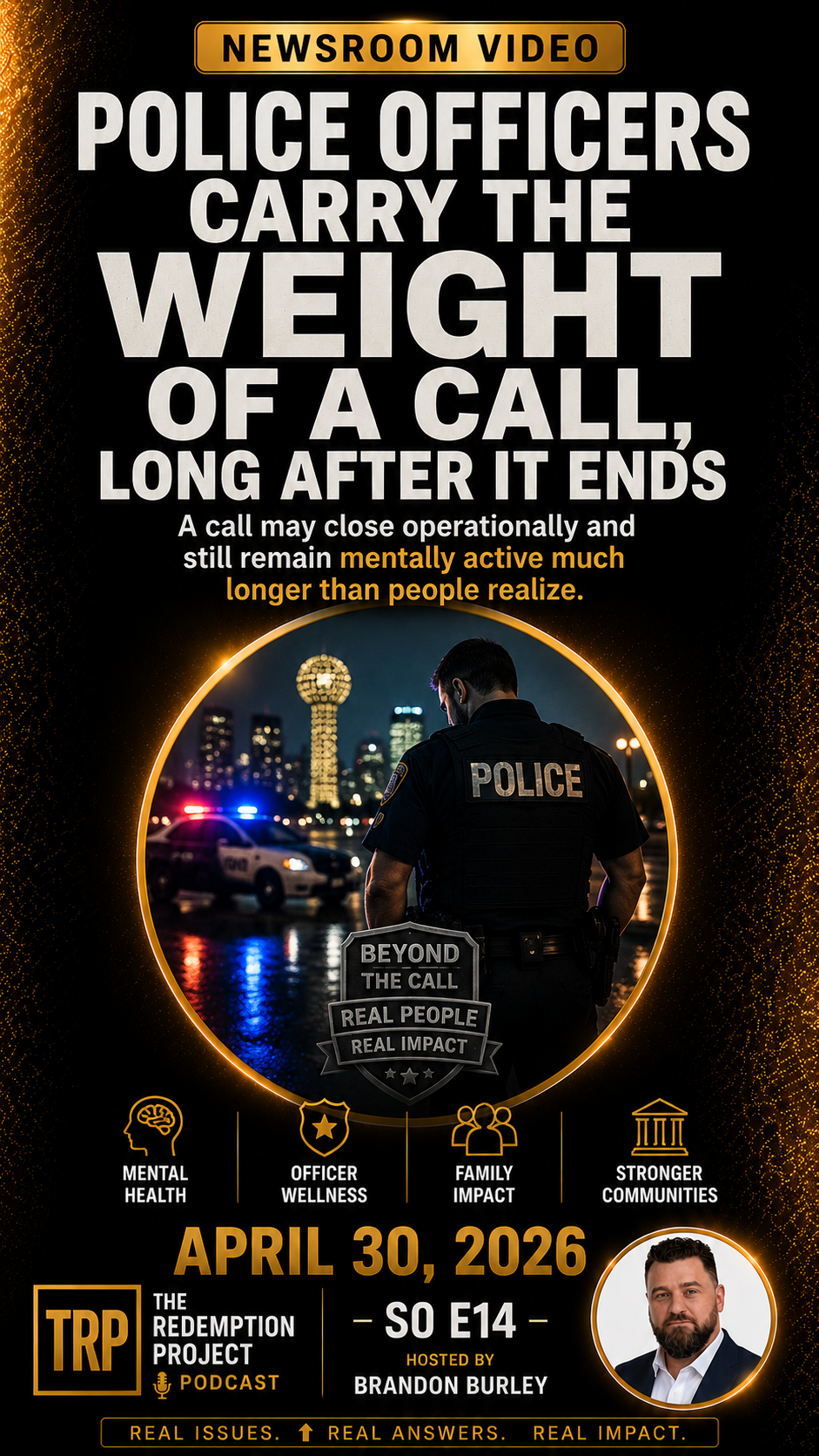
Police Officers carry the weight of a call, long after it ends

The Redemption Project Podcast

Police Officers carry the weight of a call, long after it ends

by Brandon Burley and The Redemption Project A call may close operationally and still remain mentally active much longer than people realize. That is part of why officer wellness is often misunderstood: many burdens do not appear when the report is written. I am a retired detective and criminal justice / government educator based in Tennessee. I am a commentary write for Tennessee Lookout and a weekly columnist with Knox TN Today . My work examines public policy, public safety systems and civic responsibility. My reporting and commentary have also appeared in Governing , The Arizona Capitol Times , South Florida Sun Sentinel , Police1 , among other state and regional outlets. Get full access to The Redemption Project Newsroom at newsroom.theredemptionproject.news/subscribe
S0 E14
44
Open episodeWatch
Also available on
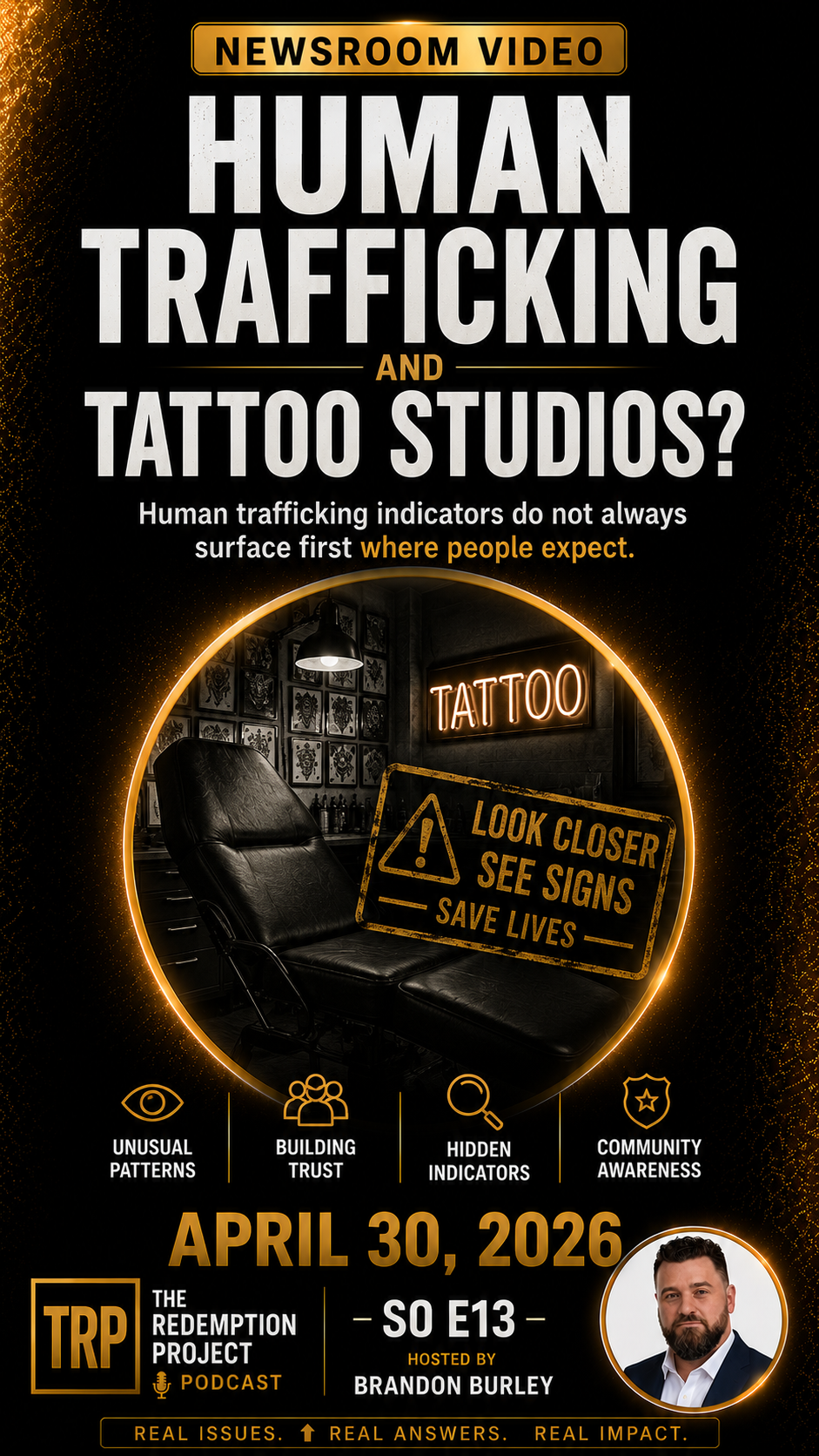
Human trafficking and tattoo studios?

The Redemption Project Podcast

Human trafficking and tattoo studios?

by Brandon Burley and The Redemption Project Human trafficking indicators do not always surface first where people expect. Sometimes they appear where trust forms naturally and people spend enough time for unusual patterns to become visible. I am a retired detective and criminal justice / government educator based in Tennessee. I am a commentary write for Tennessee Lookout and a weekly columnist with Knox TN Today . My work examines public policy, public safety systems and civic responsibility. My reporting and commentary have also appeared in Governing , The Arizona Capitol Times , South Florida Sun Sentinel , Police1 , among other state and regional outlets. Get full access to The Redemption Project Newsroom at newsroom.theredemptionproject.news/subscribe
S0 E13
49
Open episodeWatch
Also available on
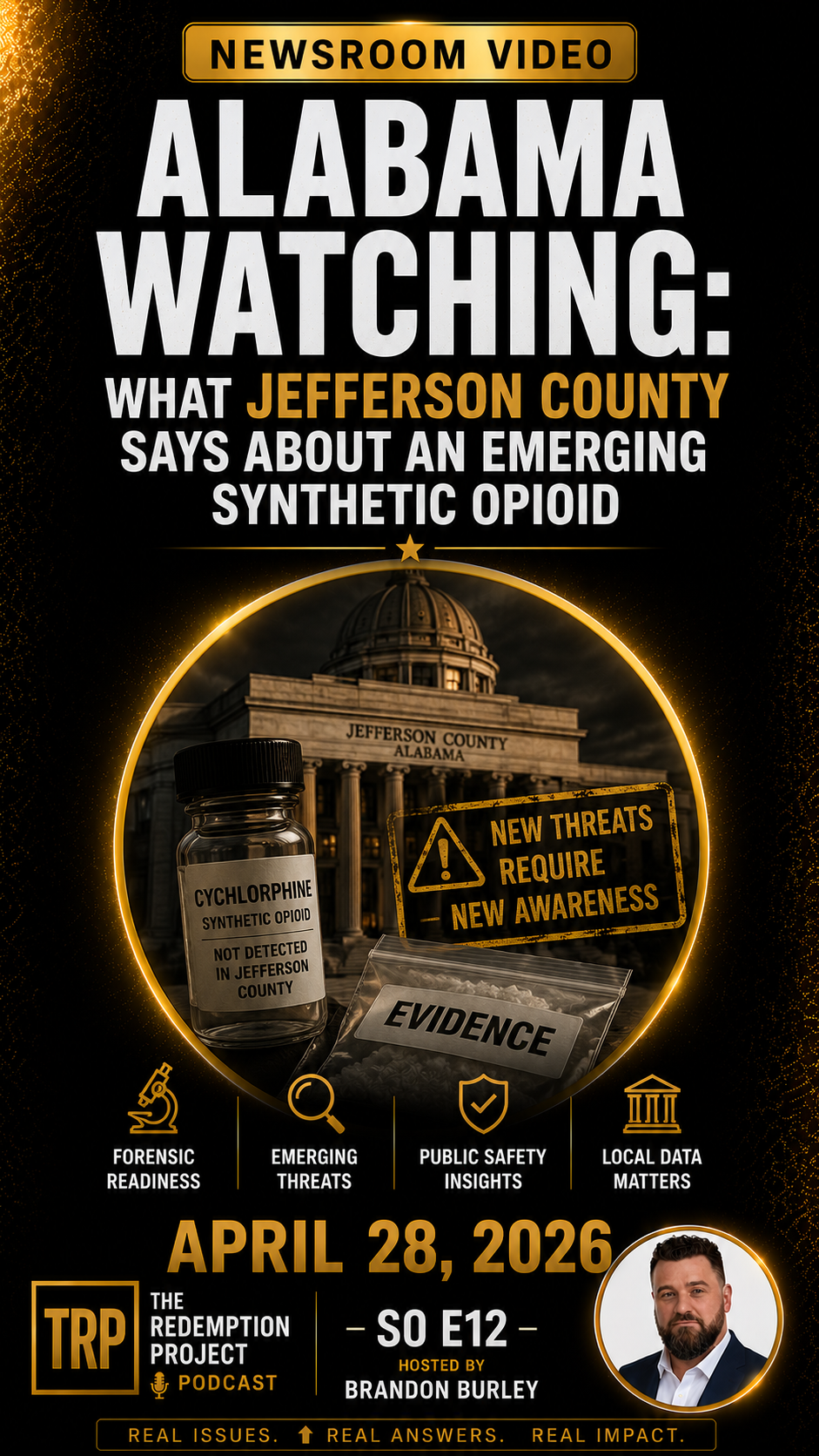
Alabama Watching: What Jefferson County Says About an Emerging Synthetic Opioid

The Redemption Project Podcast

Alabama Watching: What Jefferson County Says About an Emerging Synthetic Opioid

by Brandon Burley and The Redemption Project Jefferson County officials say cychlorphine has not been detected locally, but the larger issue is how forensic laboratories decide what they are prepared to see. Jefferson County forensic officials say a newly engineered synthetic opioid known as cychlorphine has not been detected in local postmortem toxicology casework. Officials say the compound is not currently part of routine toxicology panels, although internal communications have already been issued to maintain awareness of the drug. Cychlorphine was first confirmed in a U.S. seizure by a DEA forensic laboratory in 2024, with later detections reported in states including Texas, California, Illinois, Missouri, and Tennessee. In Tennessee, forensic officials have linked the compound to multiple overdose deaths under investigation, including at least one fatal case where it was the only opioid identified. Laboratory experts say detection often depends on whether a compound is included in routine screening or whether expanded testing is required. For now, Jefferson County says no local detection has been confirmed. That does not necessarily mean laboratories are unconcerned. It means awareness often begins before routine identification becomes necessary. As synthetic opioid chemistry continues to evolve, toxicology readiness increasingly depends on whether laboratory systems are prepared before compounds appear regularly enough to demand broader response. For forensic systems, the question is rarely only whether a compound is present. It is whether laboratories are positioned to recognize it when it arrives. I am a retired detective and criminal justice / government educator based in Tennessee. I am a commentary write for Tennessee Lookout and a weekly columnist with Knox TN Today . My work examines public policy, public safety systems and civic responsibility. My reporting and commentary have also appeared in Governing , The Arizona Capitol Times , South Florida Sun Sentinel , Police1 , among other state and regional outlets. Get full access to The Redemption Project Newsroom at newsroom.theredemptionproject.news/subscribe
S0 E13
75
Open episodeWatch
Also available on
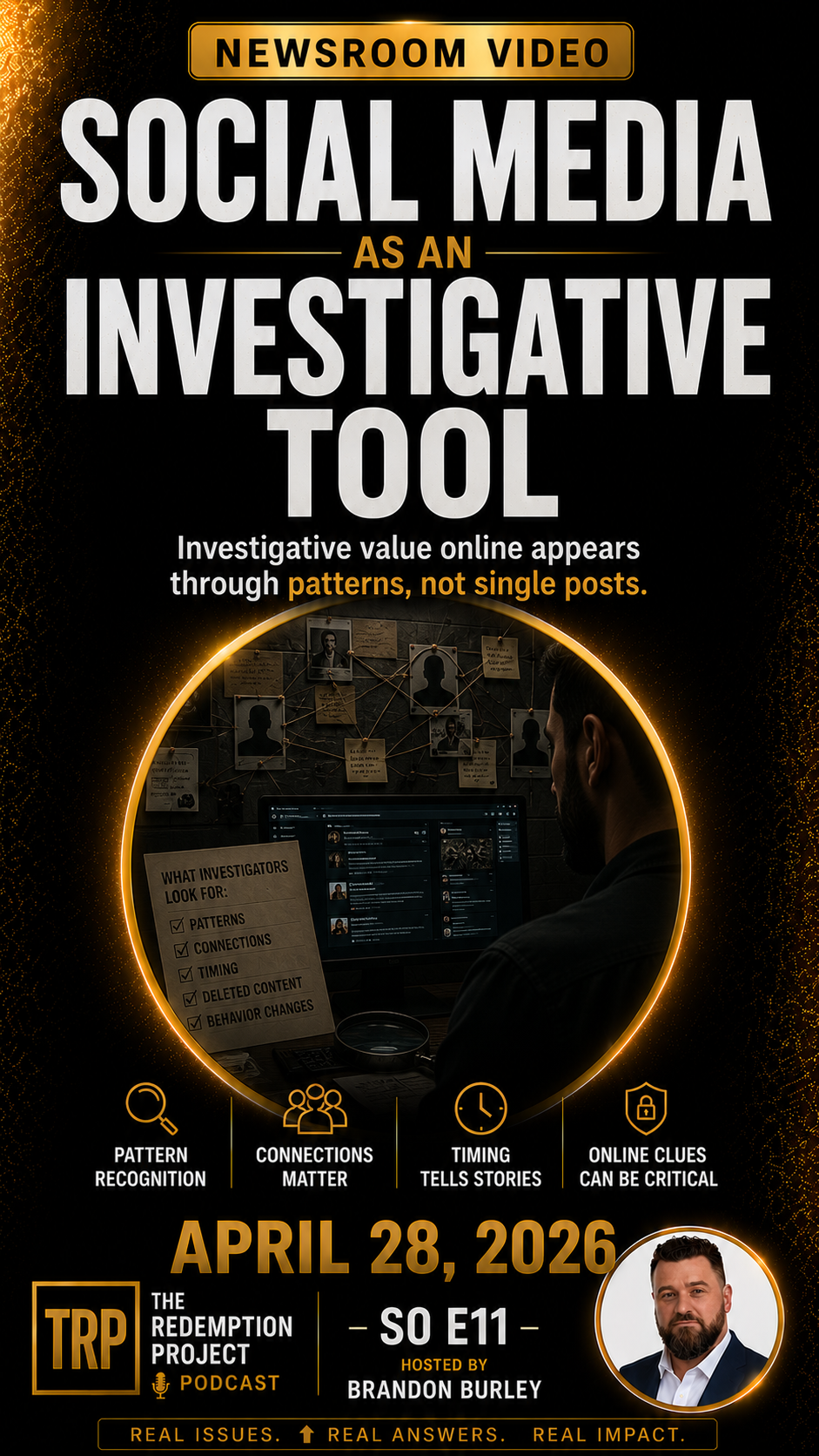
Social media as an investigative tool

The Redemption Project Podcast

Social media as an investigative tool

by Brandon Burley and The Redemption Project Investigative value online usually appears through patterns, not single posts. Repeated names, reaction behavior, deleted material, and timing often matter more than people realize. I am a retired detective and criminal justice / government educator based in Tennessee. I am a commentary write for Tennessee Lookout and a weekly columnist with Knox TN Today . My work examines public policy, public safety systems and civic responsibility. My reporting and commentary have also appeared in Governing , The Arizona Capitol Times , South Florida Sun Sentinel , Police1 , among other state and regional outlets. Get full access to The Redemption Project Newsroom at newsroom.theredemptionproject.news/subscribe
S0 E11
38
Open episodeWatch
Also available on
Sheriff campaigns . . .

Civic Conversations

Sheriff campaigns . . .

by Brandon Burley and The Redemption Project Sheriff campaigns often center on broad safety language. But the stronger voter questions usually involve staffing, jail operations, narcotics pressure, and how decisions function once campaigning ends. I am a retired detective and criminal justice / government educator based in Tennessee. I am a commentary write for Tennessee Lookout and a weekly columnist with Knox TN Today . My work examines public policy, public safety systems and civic responsibility. My reporting and commentary have also appeared in Governing , The Arizona Capitol Times , South Florida Sun Sentinel , Police1 , among other state and regional outlets. Get full access to The Redemption Project Newsroom at newsroom.theredemptionproject.news/subscribe
S4 E4
38
Open episodeWatch
Also available on
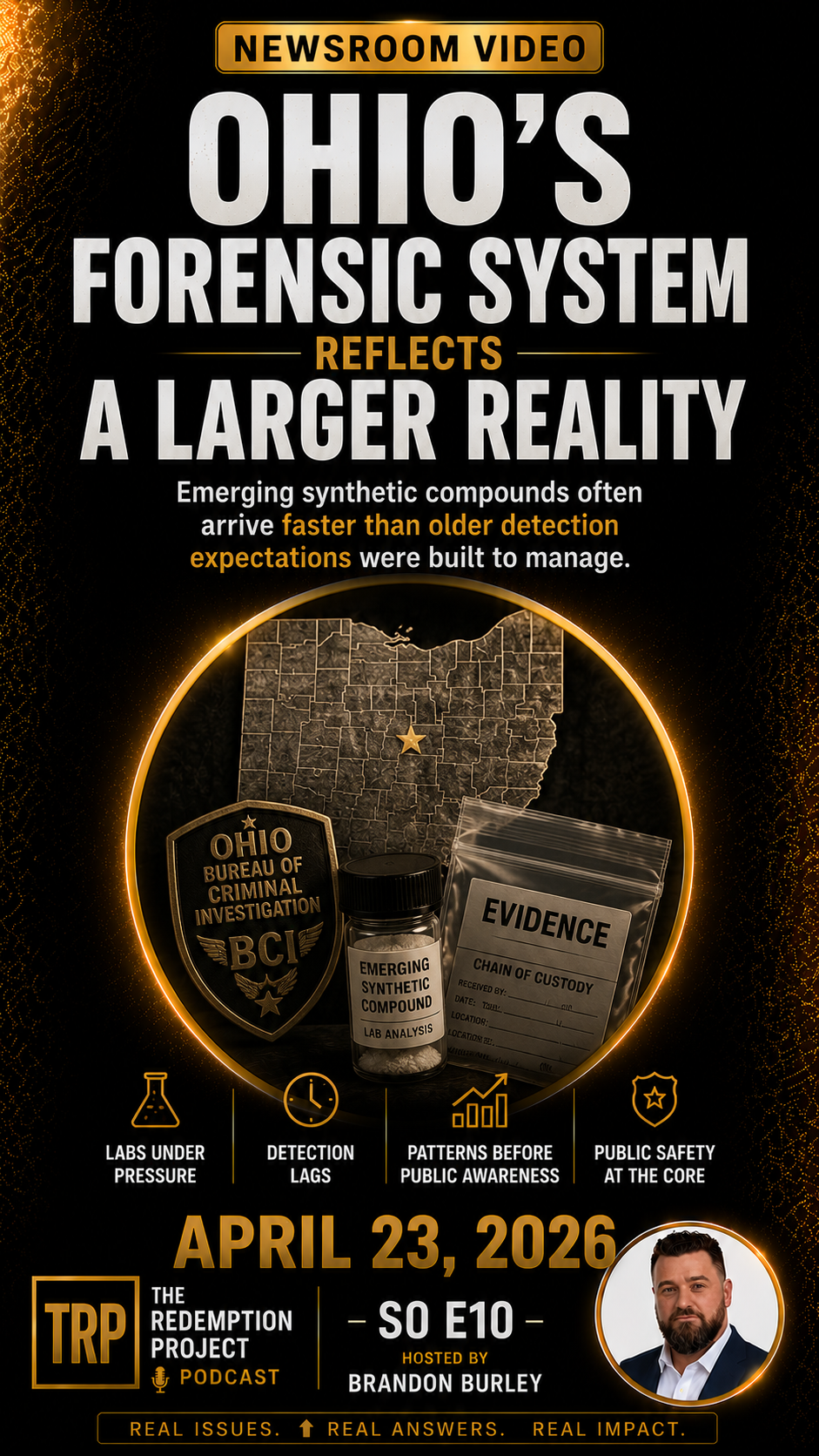
Ohio’s forensic system reflects a larger reality

The Redemption Project Podcast

Ohio’s forensic system reflects a larger reality

by Brandon Burley and The Redemption Project Ohio’s forensic system reflects a larger reality: emerging synthetic compounds often arrive faster than older detection expectations were built to manage. Labs usually meet that pressure before the public sees the pattern clearly. I am a retired detective and criminal justice / government educator based in Tennessee. I am a commentary write for Tennessee Lookout and a weekly columnist with Knox TN Today . My work examines public policy, public safety systems and civic responsibility. My reporting and commentary have also appeared in Governing , The Arizona Capitol Times , South Florida Sun Sentinel , Police1 , among other state and regional outlets. Get full access to The Redemption Project Newsroom at newsroom.theredemptionproject.news/subscribe
S0 E10
49
Open episodeWatch
Also available on
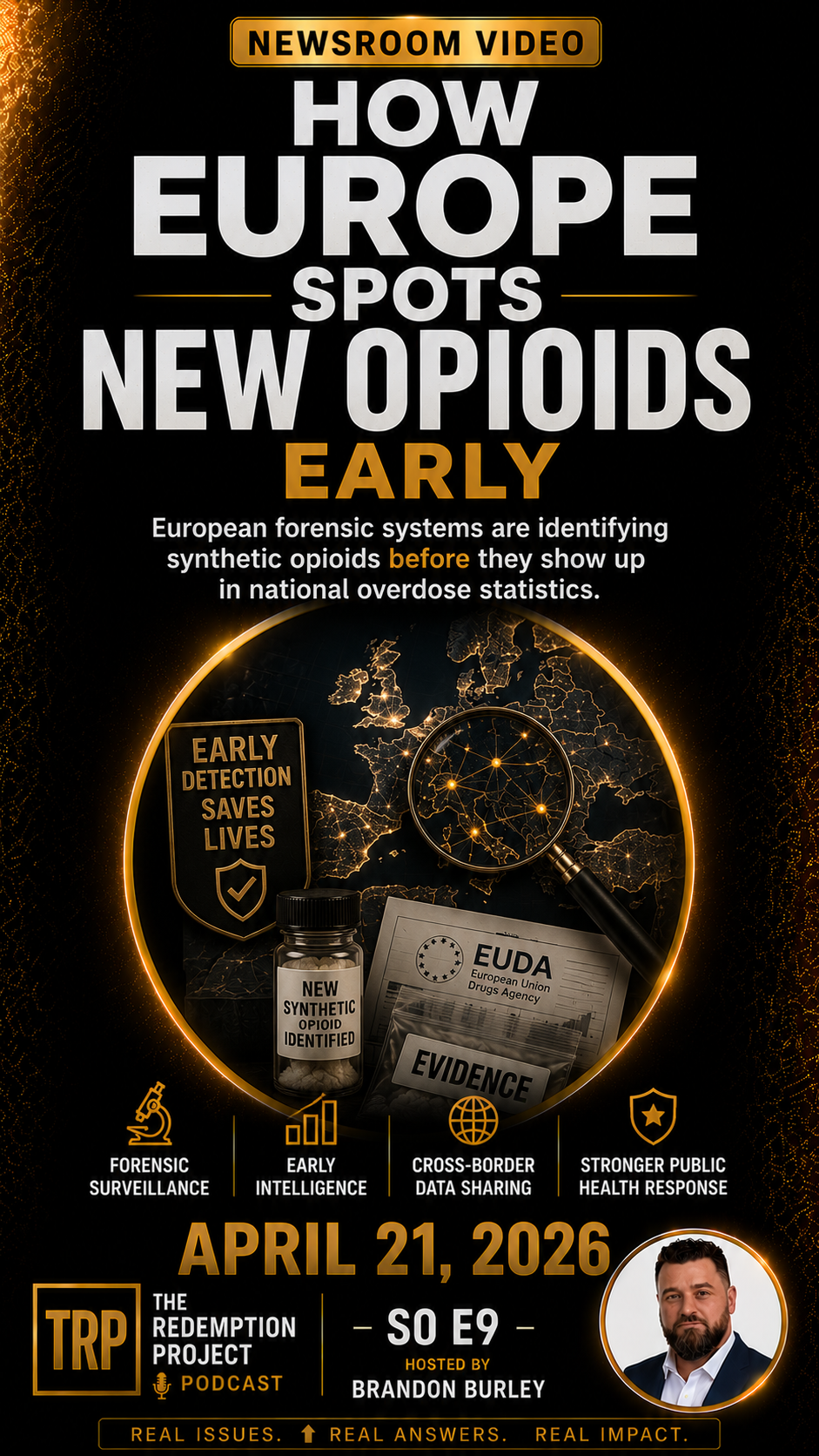
How Europe Spots New Opioids Early

The Redemption Project Podcast

How Europe Spots New Opioids Early

by Brandon Burley and The Redemption Project European forensic systems are increasingly identifying synthetic opioids before those substances become fully visible in national overdose statistics, giving health authorities earlier warning as chemical markets evolve. Europe’s drug monitoring systems are increasingly relying on forensic laboratories to identify new synthetic opioids before those drugs appear clearly in national overdose statistics. One emerging compound, cychlorphine, has already been detected through laboratory and early warning systems in multiple jurisdictions, including Germany and the United Kingdom. The broader challenge is that synthetic opioid markets are evolving faster than many public reporting systems were designed to move. Through the European Union Early Warning System, forensic laboratories can report newly identified substances before they are widely reflected in mortality data, giving health agencies and policymakers an earlier signal that a new drug may be entering circulation. German authorities have already confirmed cychlorphine in seized-drug investigations and moved to regulate it under laws designed for rapid response to emerging synthetic substances. The larger question now is whether forensic detection can continue moving fast enough as synthetic opioid chemistry becomes more complex. Across much of Europe, laboratory alerts often arrive before mortality systems fully reflect emerging compounds. That makes forensic detection not simply a technical process, but an increasingly important part of public health readiness. I am a retired detective and criminal justice / government educator based in Tennessee. I am a commentary write for Tennessee Lookout and a weekly columnist with Knox TN Today . My work examines public policy, public safety systems and civic responsibility. My reporting and commentary have also appeared in Governing , The Arizona Capitol Times , South Florida Sun Sentinel , Police1 , among other state and regional outlets. Get full access to The Redemption Project Newsroom at newsroom.theredemptionproject.news/subscribe

S0 E9
78
Open episodeWatch
Also available on
Newer synthetic opioid vs narcan

The Redemption Project Podcast

Newer synthetic opioid vs narcan

by Brandon Burley and The Redemption Project As newer synthetic opioids appear, responders are again asking how consistently naloxone behaves across changing compounds. The key point remains: naloxone still matters, but chemistry rarely stays static for long. I am a retired detective and criminal justice / government educator based in Tennessee. I am a commentary write for Tennessee Lookout and a weekly columnist with Knox TN Today . My work examines public policy, public safety systems and civic responsibility. My reporting and commentary have also appeared in Governing , The Arizona Capitol Times , South Florida Sun Sentinel , Police1 , among other state and regional outlets. Get full access to The Redemption Project Newsroom at newsroom.theredemptionproject.news/subscribe
S0 E8
52
Open episodeWatch
Also available on
County Commission vs. City Council: Who Controls What?

Systems Explained

County Commission vs. City Council: Who Controls What?

Many people know they vote for both city and county officials, but fewer people understand what each level of local government actually controls. In Season 3, Episode 3 of Systems Explained , Brandon Burley explains the practical difference between a city council and a county commission: who they govern, what services they oversee, and why both can affect your daily life at the same time. This episode breaks down how city government usually handles things like city police, local roads, and utilities, while county government often oversees schools, sheriff’s offices, jails, libraries, health departments, and rural services. It also explains why taxes differ inside and outside city limits, how one road can change jurisdiction multiple times, and why where you live determines which government is responsible when something goes wrong. Systems Explained is part of The Redemption Project and focuses on systems people encounter often but rarely see clearly. Get full access to The Redemption Project Newsroom at newsroom.theredemptionproject.news/subscribe
S3 E10
658
Open episodeWatch
Also available on
Redemption Story of the Week: Steve Smith

Redemption Stories

Redemption Story of the Week: Steve Smith

By Brandon Burley of The Redemption Project Redemption Story of the Week: Steve Smith Steve walked out of prison in August 2025 with nothing but the clothes on his back and a box of books. No family waiting.No friends.No safety net. Before prison, Steve knew the life he was living wasn’t right. A divorce sent him spiraling. Drugs followed. Then selling meth and heroin. Then prison. Behind bars, something changed. Steve found God. And instead of wasting the time, he used it—working to become someone different than the man who went in. When he was released, he came straight to Men of Valor Knoxville. Now, Steve is starting over from zero—but with purpose. He’s grateful for the structure, the accountability, and the opportunity to rebuild a life he never thought he’d have. Redemption doesn’t always come with applause.Sometimes it comes quietly—when a man decides he’s done living the old way. I am a retired detective and criminal justice / government educator based in Tennessee. I am a commentary write for Tennessee Lookout and a weekly columnist with Knox TN Today . My work examines public policy, public safety systems and civic responsibility. My reporting and commentary have also appeared in Governing , The Arizona Capitol Times , South Florida Sun Sentinel , Police1 , among other state and regional outlets. Get full access to The Redemption Project Newsroom at newsroom.theredemptionproject.news/subscribe

S1 E12
14
Open episodeWatch
Also available on
The Question We Rarely Ask After Prison

The Redemption Project Podcast

The Question We Rarely Ask After Prison

by Brandon Burley and The Redemption Project Most criminal justice debate focuses on sentencing and incarceration. Far less attention is given to what happens after release, even though that is often where public safety outcomes are shaped most directly. We still measure criminal justice at the wrong moment. Most public debate focuses on sentencing, incarceration levels, and whether a punishment sounds tough enough. But the most important question usually begins after someone leaves prison or jail. That is because most people who are incarcerated will eventually return to their communities, and the first year after release is often the most unstable part of the entire process. Housing problems, unemployment, untreated addiction, and weak supervision can all collide at once. When that happens, repeat offending often begins long before the next arrest ever appears in public statistics. That is why criminal justice is not really tested in the courtroom. It is tested after release, when structure becomes thinner and risk becomes real. A sentence may end on paper, but risk often begins where structure weakens. For many people, what happens after release determines whether reform becomes real or remains theoretical. The courtroom matters. But public safety is often decided later. I am a retired detective and criminal justice / government educator based in Tennessee. I am a commentary write for Tennessee Lookout and a weekly columnist with Knox TN Today . My work examines public policy, public safety systems and civic responsibility. My reporting and commentary have also appeared in Governing , The Arizona Capitol Times , South Florida Sun Sentinel , Police1 , among other state and regional outlets. Get full access to The Redemption Project Newsroom at newsroom.theredemptionproject.news/subscribe

S0 E7
88
Open episodeWatch
Also available on
Large narcotics investigations

The Redemption Project Podcast

Large narcotics investigations

by Brandon Burley and The Redemption Project Large narcotics investigations often begin long before they look large. In many smaller communities, one officer noticing repeated movement, repeated names, or one local shift becomes the first signal that something larger may already be underway. I am a retired detective and criminal justice / government educator based in Tennessee. I am a commentary write for Tennessee Lookout and a weekly columnist with Knox TN Today . My work examines public policy, public safety systems and civic responsibility. My reporting and commentary have also appeared in Governing , The Arizona Capitol Times , South Florida Sun Sentinel , Police1 , among other state and regional outlets. Get full access to The Redemption Project Newsroom at newsroom.theredemptionproject.news/subscribe

S0 E6
36
Open episodeWatch
Also available on
Cyberbullying and Law Enforcement

The Redemption Project Podcast

Cyberbullying and Law Enforcement

by Brandon Burley and The Redemption Project Cyberbullying cases often become difficult because schools, parents, and law enforcement do not always operate from the same threshold. A disciplinary issue, a harmful message, and a criminal standard are not automatically the same thing; even when the pressure feels immediate. I am a retired detective and criminal justice / government educator based in Tennessee. I am a commentary write for Tennessee Lookout and a weekly columnist with Knox TN Today . My work examines public policy, public safety systems and civic responsibility. My reporting and commentary have also appeared in Governing , The Arizona Capitol Times , South Florida Sun Sentinel , Police1 , among other state and regional outlets. Get full access to The Redemption Project Newsroom at newsroom.theredemptionproject.news/subscribe

S0 E5
37
Open episodeWatch
Also available on
Should SNAP include sugary food and drinks?

The Redemption Project Podcast

Should SNAP include sugary food and drinks?

by Brandon Burley and The Redemption Project SNAP debates usually sound like product debates on the surface. But underneath them sits a larger policy question: does the public still agree on what food assistance is intended to solve, and how should trust be maintained while rules evolve? I am a retired detective and criminal justice / government educator based in Tennessee. I am a commentary write for Tennessee Lookout and a weekly columnist with Knox TN Today . My work examines public policy, public safety systems and civic responsibility. My reporting and commentary have also appeared in Governing , The Arizona Capitol Times , South Florida Sun Sentinel , Police1 , among other state and regional outlets. Get full access to The Redemption Project Newsroom at newsroom.theredemptionproject.news/subscribe

S0 E4
34
Open episodeWatch
Also available on
Arizona’s fentanyl response often gets discussed through enforcement numbers.

The Redemption Project Podcast

Arizona’s fentanyl response often gets discussed through enforcement numbers.

by Brandon Burley and The Redemption Project Arizona’s fentanyl response often gets discussed through enforcement numbers. But forensic systems carry another side of the burden: identifying compounds, confirming toxicology, and keeping pace with changing chemistry. Those pressures do not always rise at the same speed. I am a retired detective and criminal justice / government educator based in Tennessee. I am a commentary write for Tennessee Lookout and a weekly columnist with Knox TN Today . My work examines public policy, public safety systems and civic responsibility. My reporting and commentary have also appeared in Governing , The Arizona Capitol Times , South Florida Sun Sentinel , Police1 , among other state and regional outlets. Get full access to The Redemption Project Newsroom at newsroom.theredemptionproject.news/subscribe
S0 E3
50
Open episodeWatch
Also available on
Why New Opioids Stay Hidden

The Redemption Project Podcast

Why New Opioids Stay Hidden

by Brandon Burley and The Redemption Project A newly emerging synthetic opioid identified in Tennessee, Canada, and parts of Europe is highlighting a larger forensic challenge: surveillance systems often only detect what laboratories are already built to recognize. A new synthetic opioid is now forcing a bigger question across multiple countries: how often do new drugs spread before public systems fully catch them? The compound is called cychlorphine. It has already appeared in overdose investigations, forensic laboratories, and seized drug supplies in places including Tennessee, Canada, and parts of Europe. In Tennessee, forensic officials have linked it to multiple deaths under investigation, and the drug has been described as roughly ten times more potent than fentanyl. But the larger issue is not just the drug itself. Many overdose dashboards only show what laboratories are already built to detect. If a new compound is not part of routine testing, it can circulate long before official numbers fully reflect what is happening. That means chemistry can move faster than surveillance. Across multiple jurisdictions, cychlorphine has already shown how differently detection systems move depending on forensic design. In Canada, federal laboratory systems identified the compound and incorporated it into routine screening after validation through Health Canada’s Drug Analysis Service. In parts of Europe, early warning systems allowed laboratories to report detections before mortality data fully reflected the substance. In the United States, forensic identification often depends on state and regional laboratory workflows, which means detection can vary by jurisdiction even when seized drug material appears elsewhere. That creates a practical gap. A compound may already exist inside supply chains while public dashboards remain largely silent. Forensic laboratories often see chemical change first. Public systems usually catch up later. As synthetic opioid chemistry continues evolving, the central question is no longer only how dangerous a new compound may be, but how quickly institutions designed for detection can recognize what has changed. In that environment, surveillance is no longer only a reporting function. It is part of public health readiness. I am a retired detective and criminal justice / government educator based in Tennessee. I am a commentary write for Tennessee Lookout and a weekly columnist with Knox TN Today . My work examines public policy, public safety systems and civic responsibility. My reporting and commentary have also appeared in Governing , The Arizona Capitol Times , South Florida Sun Sentinel , Police1 , among other state and regional outlets. Get full access to The Redemption Project Newsroom at newsroom.theredemptionproject.news/subscribe
S0 E2
54
Open episodeWatch
Also available on
Addiction pressure is not limited to large cities.

Civic Conversations

Addiction pressure is not limited to large cities.

by Brandon Burley and The Redemption Project Addiction pressure is not limited to large cities. But access to treatment often is. In many smaller communities, the same need exists with fewer immediate options — which means geography quietly shapes recovery outcomes more than many people realize. I am a retired detective and criminal justice / government educator based in Tennessee. I am a commentary write for Tennessee Lookout and a weekly columnist with Knox TN Today . My work examines public policy, public safety systems and civic responsibility. My reporting and commentary have also appeared in Governing , The Arizona Capitol Times , South Florida Sun Sentinel , Police1 , among other state and regional outlets. Get full access to The Redemption Project Newsroom at newsroom.theredemptionproject.news/subscribe
S4 E3
43
Open episodeWatch
Also available on

March 2026

“Reentry Starts on Day One” — Jesse Crosson

Civic Conversations

“Reentry Starts on Day One” — Jesse Crosson

Jesse Crosson was arrested just after his 18th birthday and sentenced to 32 years in prison for a robbery and non-fatal shooting. For nearly two decades, prison was the only adult life he knew. When Jesse was granted a conditional pardon in 2021 , he was released with just an hour and a half’s notice —no reentry plan, no housing secured, no roadmap waiting for him. What he did have was preparation. In this conversation, Jesse shares why he believes reentry doesn’t start at the gate—it starts on day one of incarceration . He talks about how he used his time inside to build skills, relationships, and discipline, and why having options mattered more than having a plan when freedom came suddenly. This episode is about accountability, preparation, and the reality of starting over when the system doesn’t slow down for you. Get full access to The Redemption Project Newsroom at newsroom.theredemptionproject.news/subscribe

S4 E2
392
Open episodeWatch
Also available on
From Privilege to Prison Charges: TK on Addiction, Recovery, and What Actually Saves Lives

Redemption Stories

From Privilege to Prison Charges: TK on Addiction, Recovery, and What Actually Saves Lives

In this episode of The Redemption Project , Brandon Burley sits down with TK , a licensed therapist and recovery professional whose life was nearly ended by addiction before it was rebuilt through faith, accountability, and community. TK’s story challenges stereotypes. He didn’t grow up in poverty or chaos—he grew up privileged. And yet addiction still took hold, escalating from early alcohol use to prescription opioids, pain clinics, dealing, methamphetamine, and ultimately a near-fatal overdose that left him on life support. After being revived with Narcan nine times, TK faced prison, the loss of his career, and the collapse of his family. What followed wasn’t a shortcut to redemption—it was treatment, humility, consequences, and years of rebuilding from the ground up. Today, TK is a licensed Marriage and Family Therapist and Licensed Alcohol & Drug Abuse Counselor (LADAC II) in Tennessee—despite felony convictions that nearly disqualified him from licensure. His journey offers rare insight into addiction, recovery, criminal justice, and what actually sustains long-term change. This conversation explores: • Why addiction doesn’t discriminate by class or background • The moment TK realized he couldn’t save himself • Near-death, faith, and the cost of recovery • Employment barriers for people with felony records • Why community—not independence—keeps people alive This is not a slogan-driven recovery story. It’s a real one. Get full access to The Redemption Project Newsroom at newsroom.theredemptionproject.news/subscribe
S2 E5
2127
Open episodeWatch
Also available on

February 2026

When Ink Becomes Evidence: How Tattoo Studios Can Help Fight Human Trafficking

Civic Conversations

When Ink Becomes Evidence: How Tattoo Studios Can Help Fight Human Trafficking

Human trafficking often hides in plain sight. In this narrated journalism episode of The Redemption Project , Brandon Burley examines a new Tennessee law that requires licensed tattoo artists to complete human trafficking awareness training—and why that policy matters. Drawing from reporting, survivor advocacy, and law enforcement experience, this episode explores how traffickers have historically used tattoos as tools of control, why tattoo professionals are uniquely positioned to notice warning signs, and how community-based awareness can become a bridge between vulnerable individuals and help. This is not an argument that tattoos equal trafficking. It’s a discussion about training, pattern recognition, and the quiet role everyday professionals can play in disrupting exploitation. This episode is based on Brandon Burley’s recent opinion column published in The Knoxville News Sentinel and is part of Season 4. Get full access to The Redemption Project Newsroom at newsroom.theredemptionproject.news/subscribe
S4 E1
310
Open episodeWatch
Also available on
Addiction Is Distributed Evenly. Help Is Not. | Commentary on Recovery Gaps in East Tennessee

Systems Explained

Addiction Is Distributed Evenly. Help Is Not. | Commentary on Recovery Gaps in East Tennessee

In this narrated commentary, Brandon Burley reflects on his recent opinion piece examining why addiction impacts every community—but recovery resources often do not. Drawing from reporting in East Tennessee, the episode explores how smaller cities like Oak Ridge experience the same pressures as larger urban centers—substance misuse, fractured families, and relapse—without the same concentration of treatment, visibility, or long-term recovery infrastructure. The discussion highlights First Recovery in Oak Ridge as an example of sustained, community-based support that goes beyond short-term intervention, connecting people and families to accountability, structure, and practical help. The episode also addresses broader regional data on addiction, homelessness, and overdose deaths, and why recovery efforts cannot remain centralized if communities want meaningful public safety outcomes. Get full access to The Redemption Project Newsroom at newsroom.theredemptionproject.news/subscribe
S3 E6
355
Open episodeWatch
Also available on
What a Tennessee Pardon Really Means — and What It Doesn’t

Systems Explained

What a Tennessee Pardon Really Means — and What It Doesn’t

In this episode, Brandon Burley breaks down one of the most misunderstood parts of criminal justice: pardons . Following Tennessee Governor Bill Lee’s recent decision to grant clemency to 33 individuals—including a high-profile recipient—public conversation quickly blurred the line between forgiveness, expungement, and erasure of a criminal record. This episode explains, in plain terms, what a pardon actually does under Tennessee law—and just as importantly, what it does not do. Brandon walks through how pardons affect employment, housing, professional licensing, travel, and public records, why pardons are not shortcuts through the legal system, and how they fit into the much longer and often misunderstood process of expungement. He also explains why pardons remain rare, discretionary, and the result of extensive review—not public pressure or celebrity status. To ground the discussion, Brandon references a firsthand interview with Clark Shepherd, one of the individuals granted clemency, and outlines the years-long process behind that decision. This episode is part of The Redemption Project ’s narrated journalism series—focused on clarity, context, and facts beyond headlines Get full access to The Redemption Project Newsroom at newsroom.theredemptionproject.news/subscribe

S3 E5
193
Open episodeWatch
Also available on
“I Was Looking at 28 Years”: Matt Holder on Addiction, Prison, and the Long Road Back

Redemption Stories

“I Was Looking at 28 Years”: Matt Holder on Addiction, Prison, and the Long Road Back

Matt Holder’s story isn’t about a single bad decision — it’s about how addiction slowly dismantles a life, one rationalization at a time. Growing up in East Tennessee, Matt came from a stable family, earned a degree in criminal justice, and built a career. But prescription opioids changed everything. What started as pain management turned into years of addiction, felony charges, repeated incarceration, probation violations, and the constant weight of consequences he couldn’t outrun. At his lowest point, Matt was facing a potential 28-year sentence and believed there was no way out. What followed was not a miracle moment — it was structure, accountability, brutal honesty, and people willing to walk with him without excusing his behavior. In this conversation, Matt walks through: How addiction escalates quietly and relentlessly Why “white-knuckling” recovery fails The role jail, probation, and treatment really played in his transformation What accountability looks like when grace doesn’t erase consequences How redemption is built over years, not moments Today, Matt works in recovery and ministry, advocates for people reentering society, and lives a life that looks nothing like the one that nearly ended him. This is a long-form conversation for anyone who wants to understand what real change actually takes , both inside the justice system and beyond it. Get full access to The Redemption Project Newsroom at newsroom.theredemptionproject.news/subscribe
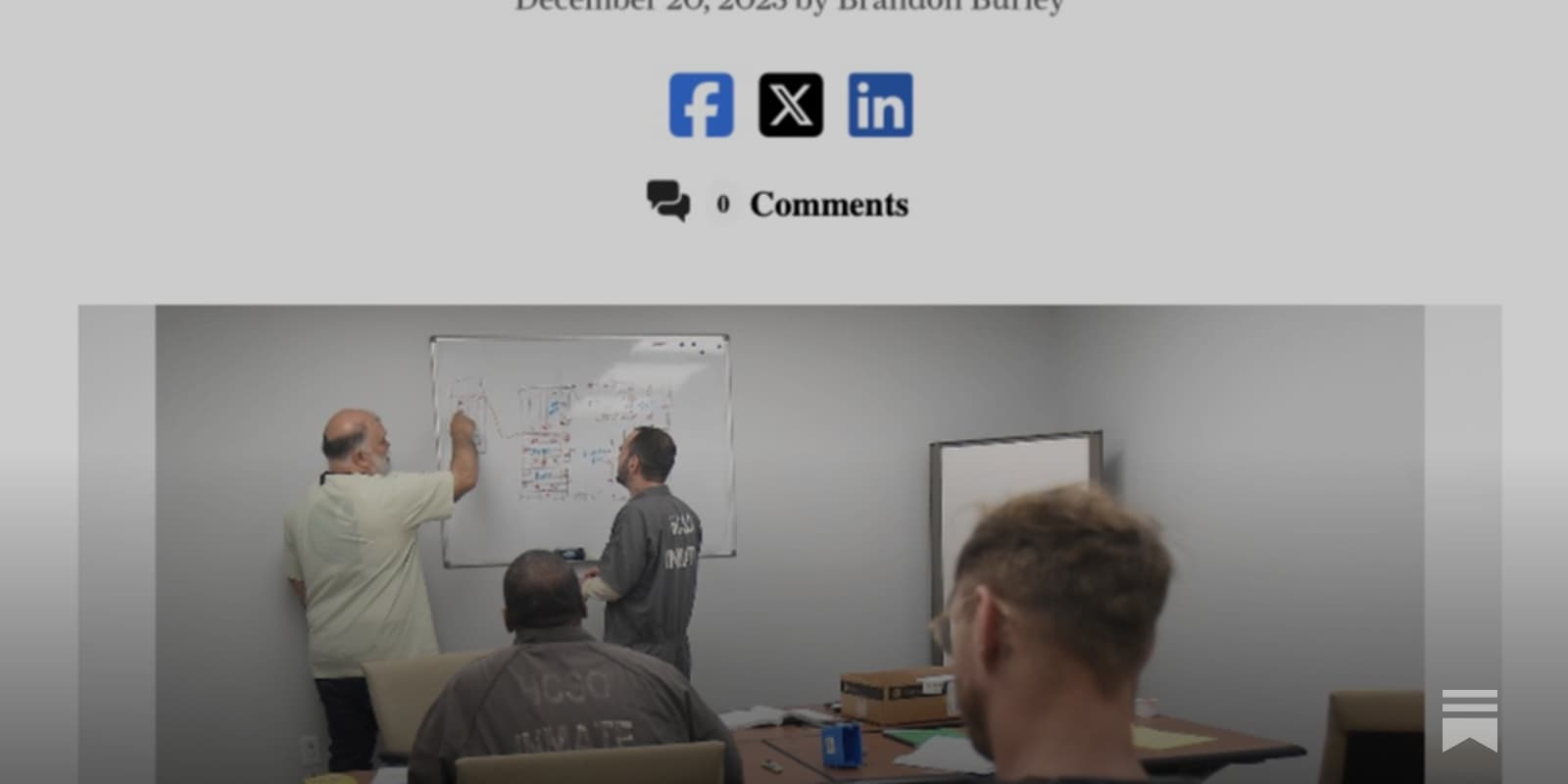
S2 E4
4376
Open episodeWatch
Also available on

January 2026

Why Chattanooga’s New Reentry Program Matters for Public Safety

Systems Explained

Why Chattanooga’s New Reentry Program Matters for Public Safety

n this Season 4 episode of The Redemption Project , Brandon Burley narrates and comments on a letter to the editor he wrote for the Chattanooga Times Free Press about a reentry support program coming to the city—one with a documented record of reducing recidivism. Drawing from firsthand experience in law enforcement and direct visits to Men of Valor campuses in Tennessee, Brandon explains why structured reentry matters for public safety. He breaks down how housing, employment, accountability, and decompression after incarceration intersect—and why the absence of those supports often sends people right back into the system. While this episode focuses on Chattanooga, the broader issue applies nationwide: when people leave jail or prison without stability, the conditions for reoffending quietly rebuild themselves. Season 4 of The Redemption Project features narrated journalism, letters, and reported commentary examining criminal justice, reentry, and public safety beyond headlines. Get full access to The Redemption Project Newsroom at newsroom.theredemptionproject.news/subscribe

S3 E4
175
Open episodeWatch
Also available on
The Pardon Didn’t Change Me — Clark

Redemption Stories

The Pardon Didn’t Change Me — Clark

Clark doesn’t begin his story with a testimony. He starts with the record. Manufacturing methamphetamine. Identity theft. Criminal simulation. Unauthorized use. A list of charges that once defined his life. Addiction drove the collapse—relationships failed, trust disappeared, and prison became the inevitable outcome. In this long-form conversation, Clark talks about what actually changed him while incarcerated: structure, accountability, faith lived out daily, and people who refused to let him drift. Redemption didn’t arrive as relief. It arrived as responsibility. Years later, Clark was granted a pardon by Governor Bill Lee. The paperwork made headlines—but it didn’t create the change. It recognized it. This episode of The Redemption Project is about confronting the past honestly, rebuilding consistently, and the people who walk with you long before the world notices. 🎧 New episodes release weekly. Get full access to The Redemption Project Newsroom at newsroom.theredemptionproject.news/subscribe
S2 E3
2552
Open episodeWatch
Also available on

December 2025

Welcome to season 4. Narrated Redemption Journalism

Civic Conversations

Welcome to season 4. Narrated Redemption Journalism

Hey! Welcome to season 4. Season 4 is all about narrated journalism. These short form episodes should all be around the 2 minute mark. I would love to hear your thought on each one! Get full access to The Redemption Project Newsroom at newsroom.theredemptionproject.news/subscribe
S4 E1
69
Open episodeWatch
Also available on
S1: E2 John from Men of Valor

Redemption Stories

S1: E2 John from Men of Valor

This week’s Redemption Story comes from Knoxville, Tennessee. John Duck graduates from the Men of Valor residential program on December 26, 2025—the day after Christmas, and his daughter’s birthday. Hard to imagine a better gift.John was addicted from age 13 to 43. A former gang member. In and out of prison. A man the world would’ve written off a long time ago.But in a prison cell, he met God.And everything started to change.He’s now been sober for three years.He’s rebuilding his life.And after he graduates, John wants to stay with Men of Valor and pour into the next group of men—because, as he told me:“They shaped me into somebody who was tired of killing the community… and wanted to help the community.”That’s redemption.That’s Knoxville.That’s what happens when faith, accountability, and second chances collide. Get full access to The Redemption Project Newsroom at newsroom.theredemptionproject.news/subscribe

S1 E2
806
Open episodeWatch
Also available on