Welcome to season 4. Narrated Redemption Journalism
The Redemption Project Podcast · Hosted by Brandon Burley
69
Hey! Welcome to season 4. Season 4 is all about narrated journalism. These short form episodes should all be around the 2 minute mark. I would love to hear your thought on each one! Get full access to The Redemption Project Newsroom at newsroom.theredemptionproject.news/subscribe
Welcome to season 4. Narrated Redemption Journalism
Playback continues in the player bar at the bottom of the screen.
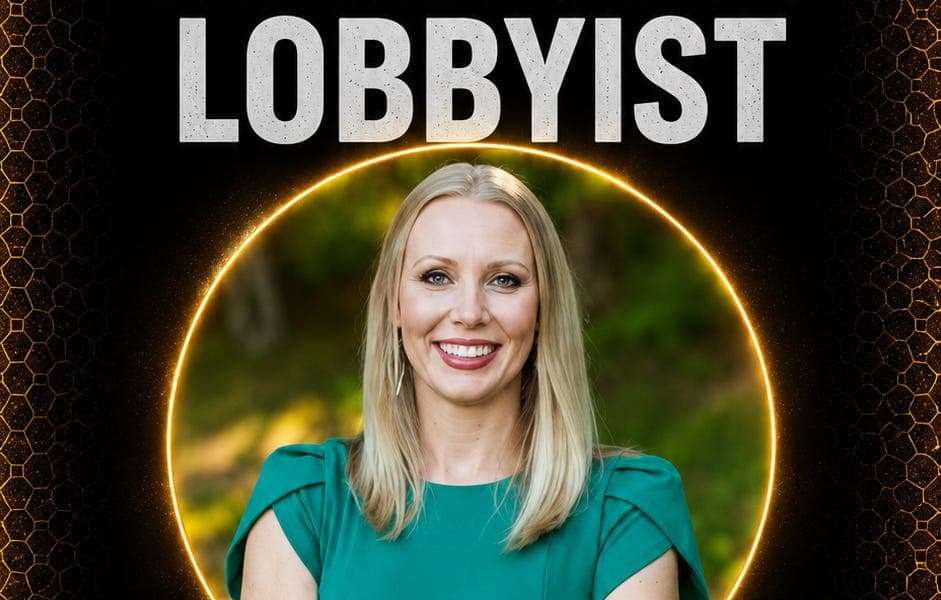
People hear the word lobbyist and often picture money changing hands, private dinners and powerful corporations attempting to buy political influence. That picture is not entirely invented. It is also far from complete. The better question is not simply whether lobbying is good or bad. It is: Who is attempting to influence public policy, whom do they represent, and what are they asking the government to do? In this Season 4 Civic Conversation, Brandon Burley speaks with Genevieve Turner, founder of Opal Advocacy, about what lobbyists actually do inside Tennessee’s legislative and government systems. Turner explains the difference between an in-house lobbyist representing one organization and a contract lobbyist working with several clients. Those clients may include corporations, nonprofits, community organizations, service providers or advocates seeking changes involving education, healthcare, corrections, disability services and other public-policy concerns. The conversation examines how lobbyists research legislation, follow committee hearings, monitor amendments, seek state appropriations and help clients communicate with legislators and government agencies. Lobbying may involve supporting a proposal, negotiating changes or attempting to stop legislation that a client believes would cause harm. Brandon and Genevieve also discuss ethics, conflicts of interest and transparency. Tennessee lobbyists must register with the state, and members of the public can search for lobbyists and the organizations employing them. That does not resolve every concern about political influence, but it gives citizens a place to begin examining who is involved. The episode also draws an important distinction between professional lobbying and citizen advocacy. A citizen may contact a legislator, testify before a committee or explain how a proposal affects their family or community. A lobbyist typically brings ongoing relationships, procedural knowledge and experience navigating the legislative process. One does not replace the other. Ultimately, this conversation is about how influence works before a bill becomes law—and why understanding that process helps citizens evaluate it more responsibly. I am a retired detective and criminal justice / government educator based in Tennessee. I am a commentary write for Tennessee Lookout and a weekly columnist with Knox TN Today . My work examines public policy, public safety systems and civic responsibility. My reporting and commentary have also appeared in Governing , The Arizona Capitol Times , South Florida Sun Sentinel , Police1 , among other state and regional outlets. Get full access to The Redemption Project Newsroom at newsroom.theredemptionproject.news/subscribe
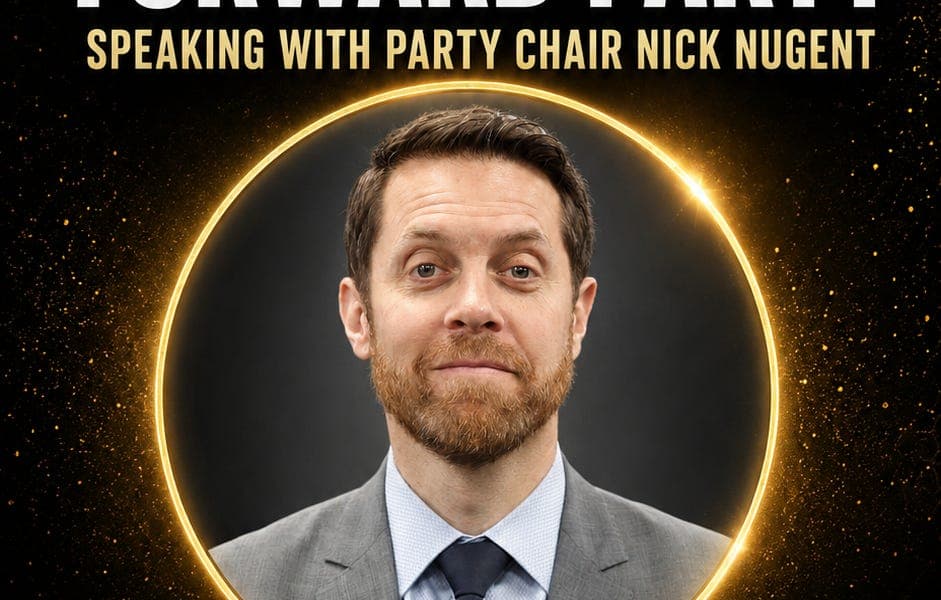
What is the Tennessee Forward Party? In this Season 4 Civic Conversation, Brandon Burley talks with Nick Nugent, chair of the Tennessee Forward Party, about what the Forward Party is, why it wants to challenge the two-party system, how third parties try to gain ballot access, and why the party believes Tennessee voters may be hungry for another option. The conversation covers open primaries, ranked-choice and approval voting, gerrymandering, local races, candidate endorsements, Lauren Pinkston, and the Forward Party’s long-term goal of building from the ground up. This is not a campaign ad. It is a civic conversation about how political parties form, how voters get choices and what it would take for a third party to become viable in Tennessee. I am a retired detective and criminal justice / government educator based in Tennessee. I am a commentary write for Tennessee Lookout and a weekly columnist with Knox TN Today . My work examines public policy, public safety systems and civic responsibility. My reporting and commentary have also appeared in Governing , The Arizona Capitol Times , South Florida Sun Sentinel , Police1 , among other state and regional outlets. Get full access to The Redemption Project Newsroom at newsroom.theredemptionproject.news/subscribe
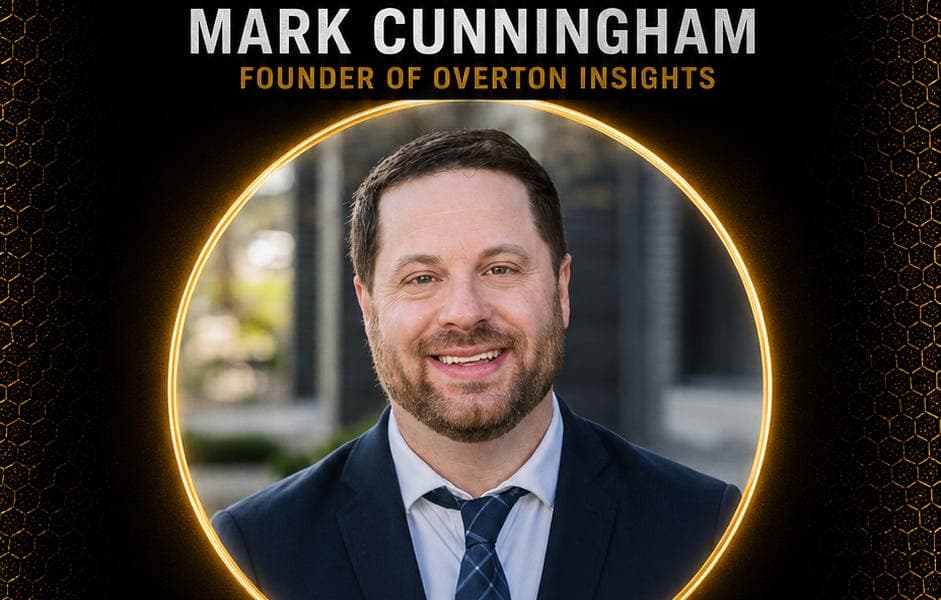
The numbers are interesting. They are also easy to overread. A poll can tell us something useful about public opinion at a particular moment. It cannot guarantee what voters will do weeks or months later, predict every change in a campaign or turn a small lead into a certain election result. In this Season 4 Civic Conversation, Brandon Burley speaks with pollster Mark Cunningham about what polls actually measure, how scientific surveys are constructed and why the public should be cautious when campaigns, media outlets and social media accounts turn numbers into narratives. Cunningham is the director of polling at Overton Insights and the original founder of the Beacon Poll. He explains sample sizes, margins of error, toplines, crosstabs, likely-voter models and the difference between public polling, internal campaign polling, online surveys and straw polls. The conversation also examines push polling, question wording, demographic weighting and the ways even a professionally conducted poll can be selectively quoted or misunderstood. A topline may show the overall result, while the underlying groups reveal a much more complicated story. A candidate may lead today and lose later—not necessarily because the poll was fraudulent, but because voters, events and conditions changed. Brandon and Mark also discuss prediction markets, exit polling and why people become defensive when polling does not support the candidate or outcome they want. The most important lesson is not that every poll is right or that every poll should be trusted. It is that polls should be read carefully. Who paid for the research? How were the questions worded? Who was surveyed? Does the sample resemble the population being discussed? What is the margin of error? Does the polling organization have a reliable record? Before celebrating a poll—or dismissing it—slow down and look at what the numbers actually say. A poll is a snapshot in time. It is not the election result. I am a retired detective and criminal justice / government educator based in Tennessee. I am a commentary write for Tennessee Lookout and a weekly columnist with Knox TN Today . My work examines public policy, public safety systems and civic responsibility. My reporting and commentary have also appeared in Governing , The Arizona Capitol Times , South Florida Sun Sentinel , Police1 , among other state and regional outlets. Get full access to The Redemption Project Newsroom at newsroom.theredemptionproject.news/subscribe
TRP uses limited first-party analytics. With your permission, we also use Google Analytics and Meta website events to understand traffic and campaign performance. We do not send names, emails, phone numbers, private submissions, or subscriber identities through these tools.