Skip to content
TRP
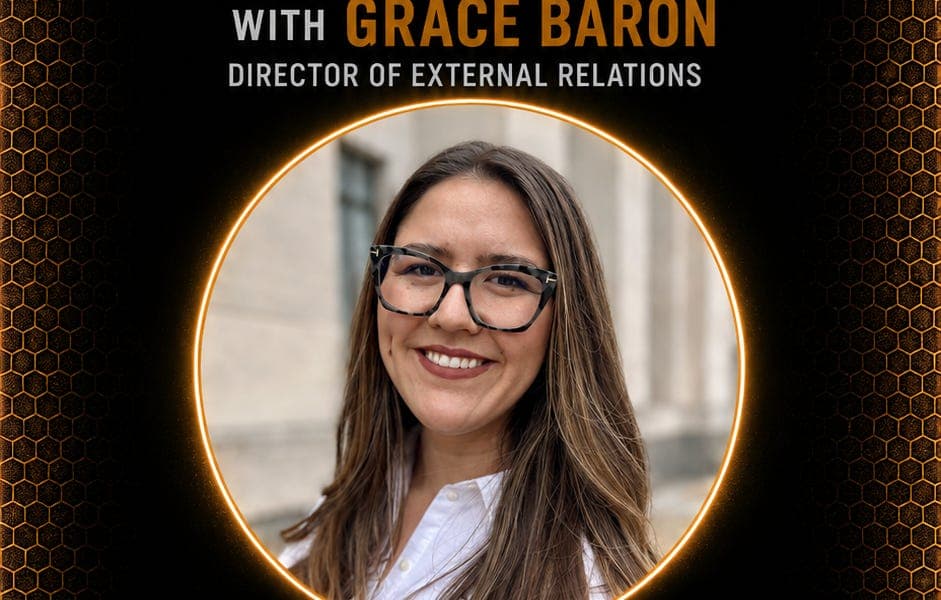
Grace Baron on The Sycamore Institute, Tennessee’s Budget and Impartial Policy Research

Civic Conversations

Grace Baron on The Sycamore Institute, Tennessee’s Budget and Impartial Policy Research

The Redemption Project Podcast · Hosted by Brandon Burley

1364

The Sycamore Institute exists to help Tennesseans understand the issues, data and policy choices shaping the state. In this Season 5 Good Works episode, Brandon Burley talks with Grace Baron, Director of External Relations at The Sycamore Institute, about the organization’s work as an impartial, data-driven research and policy center for Tennessee. The conversation covers Tennessee’s state budget, Sycamore’s budget primer, county-level data, housing research, workforce development, education funding, property taxes, public policy, local governance and why clear information matters for voters, local leaders and communities across all 95 counties. This is a conversation about good work being done quietly: helping people understand the facts before they argue about the policy. I am a retired detective and criminal justice / government educator based in Tennessee. I am a commentary write for Tennessee Lookout and a weekly columnist with Knox TN Today . My work examines public policy, public safety systems and civic responsibility. My reporting and commentary have also appeared in Governing , The Arizona Capitol Times , South Florida Sun Sentinel , Police1 , among other state and regional outlets. Get full access to The Redemption Project Newsroom at newsroom.theredemptionproject.news/subscribe

Grace Baron on The Sycamore Institute, Tennessee’s Budget and Impartial Policy Research

Playback continues in the player bar at the bottom of the screen.
Related Episodes

More Than a Halfway House: How FOCUS Helps Women Rebuild After Incarceration

Stories of Good Work

More Than a Halfway House: How FOCUS Helps Women Rebuild After Incarceration

Savannah Ford turned 30 years old in jail. The milestone landed harder than she expected. Looking back at her life, she felt as though the only things she had to show for those years were addiction and felony drug charges. She did not yet know what rebuilding would look like. After her release, Savannah entered the residential reentry program operated by FOCUS Women’s Ministry. She had not participated in the organization’s jail classes because FOCUS was not serving the facility where she had been incarcerated. But the ministry still gave her a place in its transitional home—and an opportunity to begin building a life beyond the one she had known Today, Savannah works for FOCUS. In this Season 5 episode of The Redemption Project , Brandon Burley speaks with Savannah about the ministry’s work with incarcerated and newly released women throughout East Tennessee. FOCUS operates what it calls its Behind the Walls and Beyond the Walls programs. Volunteers lead Bible studies, cognitive-behavioral classes and personal-development programs inside county jails and state prisons. The organization currently serves women in Knox, Anderson, Bledsoe, Sullivan, Scott and Blount counties. The work continues after release. FOCUS operates a 12-bed women’s home in Knoxville, where residents participate in a structured nine- to 12-month reentry program. Case managers help women obtain identification documents, apply for benefits, prepare for employment, secure clothing and hygiene supplies and begin learning how to navigate responsibilities that can feel overwhelming after incarceration. But Savannah says the work cannot stop at employment, rent and drug testing. Many of the women entering the program have experienced significant childhood trauma, addiction, abusive relationships and years of believing that pain is all they deserve. Savannah describes trauma as the gateway that often precedes substance use and incarceration. That is why FOCUS attempts to serve the whole person. The ministry provides practical assistance, accountability, relationships and faith-based support. Its goal is not merely to help women avoid another arrest. It is to help them understand their worth, develop healthier patterns and build lives in which they can contribute to their families and communities. FOCUS may technically meet the definition of a halfway house. Its work is intended to go much further. I am a retired detective and criminal justice / government educator based in Tennessee. I am a commentary write for Tennessee Lookout and a weekly columnist with Knox TN Today . My work examines public policy, public safety systems and civic responsibility. My reporting and commentary have also appeared in Governing , The Arizona Capitol Times , South Florida Sun Sentinel , Police1 , among other state and regional outlets. Get full access to The Redemption Project Newsroom at newsroom.theredemptionproject.news/subscribe

S2 E5
1162
Open episodeWatch
Also available on
Breaking Destructive Cycles: How Blue Monarch Rebuilds Mothers, Children and Families

Stories of Good Work

Breaking Destructive Cycles: How Blue Monarch Rebuilds Mothers, Children and Families

When a mother enters recovery, her children do not simply wait outside the process. They may have witnessed addiction, instability, incarceration, violence or the removal of a parent from the home. They may also be carrying trauma of their own—sometimes without the words to explain what happened. Blue Monarch was created around the belief that lasting recovery requires helping the entire family heal. In the Season 5 premiere of The Redemption Project , Brandon Burley speaks with Shakia, Blue Monarch’s officer of development and community relations—and a graduate of the program herself. After struggling with opioid addiction for 14 years and cycling through programs that did not provide enough time or support, Shakia reached a breaking point following a near-fatal automobile crash. Her arrival at Blue Monarch began a long recovery process that she says changed not only her life, but the lives of her children. Blue Monarch is a long-term, faith-based residential program serving mothers and children affected by addiction, abuse and economic hardship. Women may enter with their children or begin the program while working toward restoring custody. The organization places equal emphasis on the mother’s recovery and the child’s healing. The residential phase lasts approximately 18 to 24 months. During that time, women participate in individualized counseling, group therapy, parenting education, cognitive-behavioral programming, spiritual development and intensive life-skills work. Recovery is treated as their full-time job. Graduates may then enter WINGS—Women in Newly Grounded Success—a transitional community where families can live in onsite cottages while the mother begins working, pursuing education and building greater independence. A family completing the full continuum may receive nearly three years of structured support. Brandon and Shakia also discuss Blue Monarch’s relationships with courts, probation officers, the Tennessee Department of Correction and the Department of Children’s Services. Some women arrive after incarceration, while others are referred by judges, caseworkers or community partners. The organization is now expanding its campus, constructing a multipurpose building and planning additional housing and childcare resources so it can serve more families. This is not a story about temporarily removing a woman from addiction. It is about rebuilding the life beneath it—and giving her children the opportunity to grow up without repeating the same cycle. I am a retired detective and criminal justice / government educator based in Tennessee. I am a commentary write for Tennessee Lookout and a weekly columnist with Knox TN Today . My work examines public policy, public safety systems and civic responsibility. My reporting and commentary have also appeared in Governing , The Arizona Capitol Times , South Florida Sun Sentinel , Police1 , among other state and regional outlets. Get full access to The Redemption Project Newsroom at newsroom.theredemptionproject.news/subscribe

S1 E5
1700
Open episodeWatch
Also available on
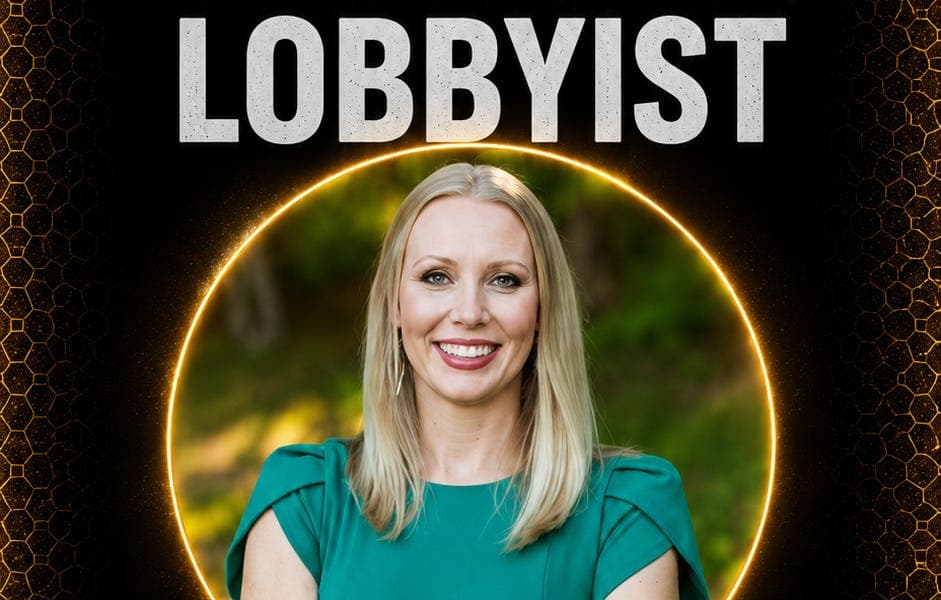
Understanding Lobbyists: Genevieve Turner on Influence, Advocacy and How Policy Gets Made

Civic Conversations

Understanding Lobbyists: Genevieve Turner on Influence, Advocacy and How Policy Gets Made

People hear the word lobbyist and often picture money changing hands, private dinners and powerful corporations attempting to buy political influence. That picture is not entirely invented. It is also far from complete. The better question is not simply whether lobbying is good or bad. It is: Who is attempting to influence public policy, whom do they represent, and what are they asking the government to do? In this Season 4 Civic Conversation, Brandon Burley speaks with Genevieve Turner, founder of Opal Advocacy, about what lobbyists actually do inside Tennessee’s legislative and government systems. Turner explains the difference between an in-house lobbyist representing one organization and a contract lobbyist working with several clients. Those clients may include corporations, nonprofits, community organizations, service providers or advocates seeking changes involving education, healthcare, corrections, disability services and other public-policy concerns. The conversation examines how lobbyists research legislation, follow committee hearings, monitor amendments, seek state appropriations and help clients communicate with legislators and government agencies. Lobbying may involve supporting a proposal, negotiating changes or attempting to stop legislation that a client believes would cause harm. Brandon and Genevieve also discuss ethics, conflicts of interest and transparency. Tennessee lobbyists must register with the state, and members of the public can search for lobbyists and the organizations employing them. That does not resolve every concern about political influence, but it gives citizens a place to begin examining who is involved. The episode also draws an important distinction between professional lobbying and citizen advocacy. A citizen may contact a legislator, testify before a committee or explain how a proposal affects their family or community. A lobbyist typically brings ongoing relationships, procedural knowledge and experience navigating the legislative process. One does not replace the other. Ultimately, this conversation is about how influence works before a bill becomes law—and why understanding that process helps citizens evaluate it more responsibly. I am a retired detective and criminal justice / government educator based in Tennessee. I am a commentary write for Tennessee Lookout and a weekly columnist with Knox TN Today . My work examines public policy, public safety systems and civic responsibility. My reporting and commentary have also appeared in Governing , The Arizona Capitol Times , South Florida Sun Sentinel , Police1 , among other state and regional outlets. Get full access to The Redemption Project Newsroom at newsroom.theredemptionproject.news/subscribe

S17 E4
1619
Open episodeWatch
Also available on