Skip to content
TRP

Podcast topic

Nonprofits, Recovery & Community Service

Podcast conversations with nonprofits, recovery organizations, ministries, community-service groups, and people building practical responses to local needs.

Use this collection for nonprofits, recovery organizations, ministries, community service, charitable work, homelessness services, or local organizations doing constructive work.

18 episodes

September 2026

Paul Schmitz, Founder of ShowerUp

Stories of Good Work

Paul Schmitz, Founder of ShowerUp

Get full access to The Redemption Project Newsroom at newsroom.theredemptionproject.news/subscribe Paul Schmitz thought Christian radio would be his lifelong career. Then God took him on a left turn. In this Season 5 Good Works episode of The Redemption Project , Brandon Burley talks with Paul Schmitz, founder of ShowerUp , a ministry providing clean, private, hot mobile showers and laundry services for people experiencing homelessness. Paul shares how a simple act of serving meals grew into a national ministry, how a box truck became the first ShowerUp unit, why consistency builds trust on the street, and why the work is never really about soap and water. It is about dignity. It is about relationship. It is about helping people feel human again.

S5 E5
17
Open episodeWatch
Also available on

August 2026

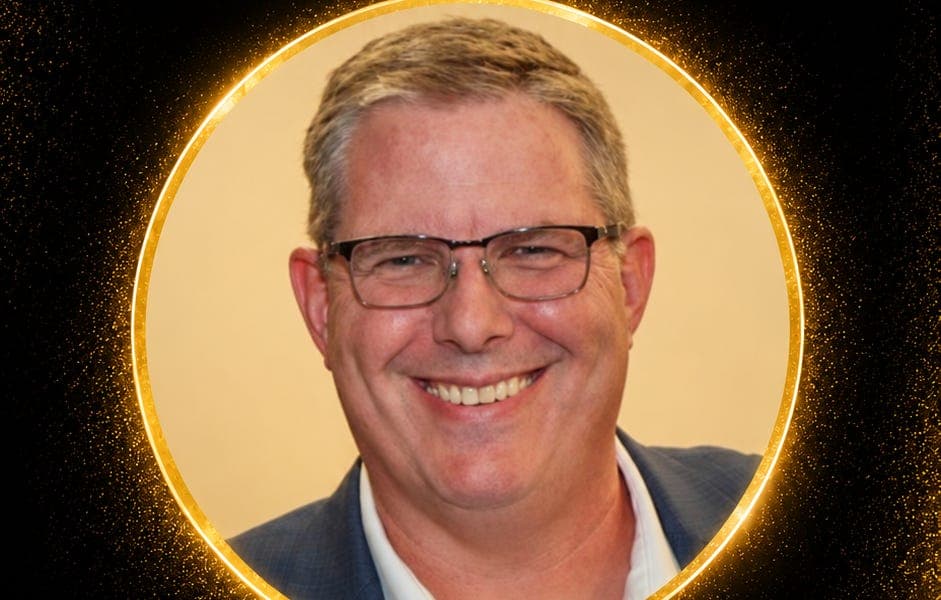
Understanding Lobbyists: Genevieve Turner on Influence, Advocacy and How Policy Gets Made

Civic Conversations

Understanding Lobbyists: Genevieve Turner on Influence, Advocacy and How Policy Gets Made

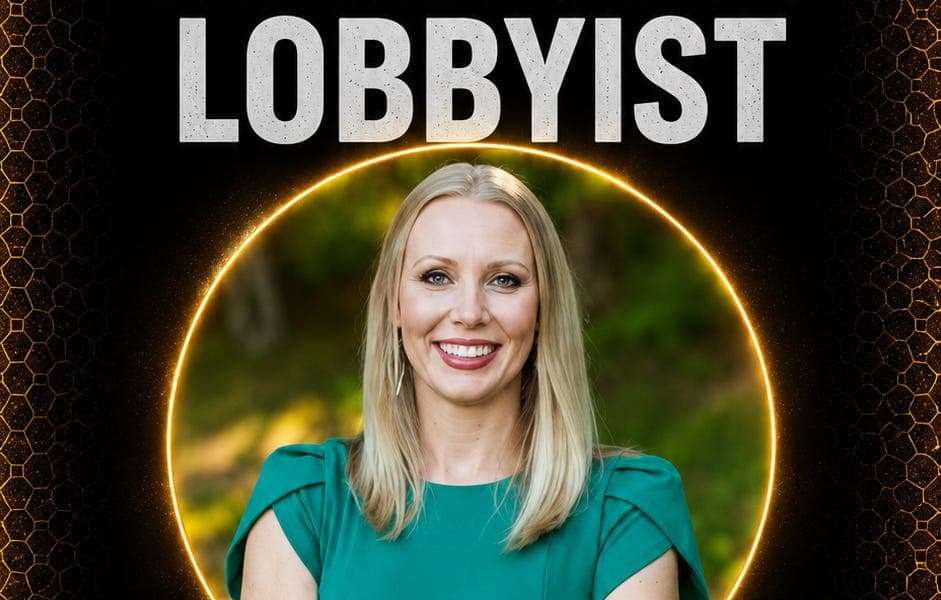
People hear the word lobbyist and often picture money changing hands, private dinners and powerful corporations attempting to buy political influence. That picture is not entirely invented. It is also far from complete. The better question is not simply whether lobbying is good or bad. It is: Who is attempting to influence public policy, whom do they represent, and what are they asking the government to do? In this Season 4 Civic Conversation, Brandon Burley speaks with Genevieve Turner, founder of Opal Advocacy, about what lobbyists actually do inside Tennessee’s legislative and government systems. Turner explains the difference between an in-house lobbyist representing one organization and a contract lobbyist working with several clients. Those clients may include corporations, nonprofits, community organizations, service providers or advocates seeking changes involving education, healthcare, corrections, disability services and other public-policy concerns. The conversation examines how lobbyists research legislation, follow committee hearings, monitor amendments, seek state appropriations and help clients communicate with legislators and government agencies. Lobbying may involve supporting a proposal, negotiating changes or attempting to stop legislation that a client believes would cause harm. Brandon and Genevieve also discuss ethics, conflicts of interest and transparency. Tennessee lobbyists must register with the state, and members of the public can search for lobbyists and the organizations employing them. That does not resolve every concern about political influence, but it gives citizens a place to begin examining who is involved. The episode also draws an important distinction between professional lobbying and citizen advocacy. A citizen may contact a legislator, testify before a committee or explain how a proposal affects their family or community. A lobbyist typically brings ongoing relationships, procedural knowledge and experience navigating the legislative process. One does not replace the other. Ultimately, this conversation is about how influence works before a bill becomes law—and why understanding that process helps citizens evaluate it more responsibly. I am a retired detective and criminal justice / government educator based in Tennessee. I am a commentary write for Tennessee Lookout and a weekly columnist with Knox TN Today . My work examines public policy, public safety systems and civic responsibility. My reporting and commentary have also appeared in Governing , The Arizona Capitol Times , South Florida Sun Sentinel , Police1 , among other state and regional outlets. Get full access to The Redemption Project Newsroom at newsroom.theredemptionproject.news/subscribe
S17 E4
1619
Open episodeWatch
Also available on
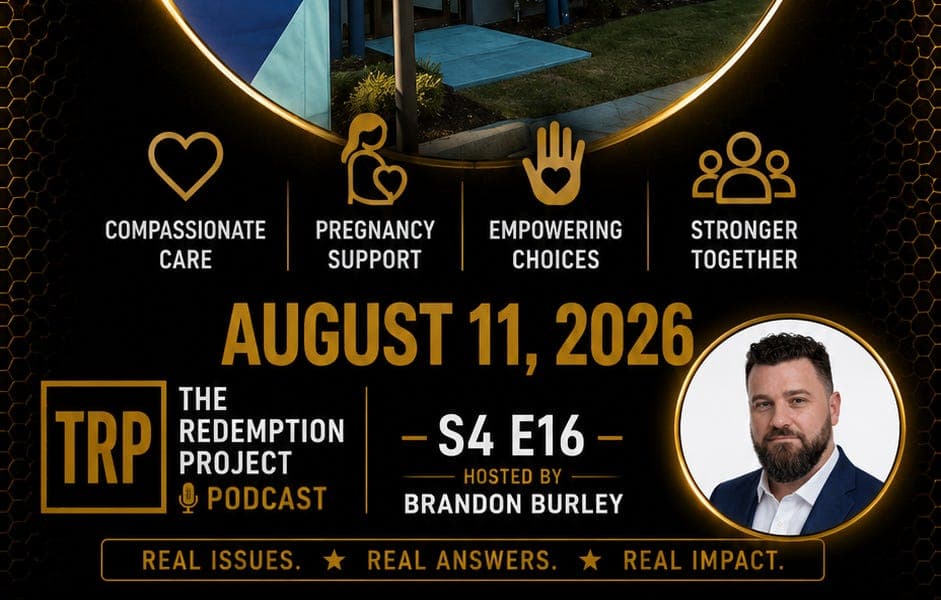
Alliance Women’s Clinic: Breanna Houston on Faith, Pregnancy Support and a New Lenoir City Mission

Civic Conversations

Alliance Women’s Clinic: Breanna Houston on Faith, Pregnancy Support and a New Lenoir City Mission

For Breanna Houston, the debate over abortion is not theoretical. At 18 years old, away at college and frightened about what an unexpected pregnancy might mean for her future, she had an abortion. Years later, after becoming a Christian and walking through a post-abortion Bible study, she began confronting the grief, shame and questions she had carried with her. That experience now shapes the work she believes she has been called to do. In this Season 4 Civic Conversation, Brandon Burley speaks with Houston about the planned Alliance Women’s Clinic in downtown Lenoir City—a nonprofit, Christian pregnancy center intended to provide free services and support to women and families facing pregnancy-related decisions. Houston explains how her personal story, faith and previous nonprofit work led her to Alliance Family Services, a growing national network of pregnancy centers. She describes the planned clinic, its fundraising and construction needs, the services organizers hope to provide and the role volunteers, churches, medical professionals and community partners may play. The conversation also enters difficult territory. Brandon and Breanna discuss abortion, post-abortion healing, the responsibilities of churches, support for young mothers, fathers and families, foster care, addiction recovery and the tension between speaking from deeply held convictions and treating people with compassion. Houston is direct about her beliefs. She identifies as unapologetically pro-life and argues that Christian opposition to abortion must involve more than political statements. It must include material support, mentorship, healthcare connections, recovery resources and a willingness to walk beside women and families for the long term. The episode does not avoid controversy or pretend that everyone will agree. Instead, it asks a more practical question: If a community says that every life has value, what responsibilities follow from that belief? Alliance Women’s Clinic is planned for 118 North A Street in Lenoir City. The organization is currently raising funds, preparing the building and developing its network of staff, volunteers and community partners. I am a retired detective and criminal justice / government educator based in Tennessee. I am a commentary write for Tennessee Lookout and a weekly columnist with Knox TN Today . My work examines public policy, public safety systems and civic responsibility. My reporting and commentary have also appeared in Governing , The Arizona Capitol Times , South Florida Sun Sentinel , Police1 , among other state and regional outlets. Get full access to The Redemption Project Newsroom at newsroom.theredemptionproject.news/subscribe
S16 E4
713
Open episodeWatch
Also available on
More Than a Halfway House: How FOCUS Helps Women Rebuild After Incarceration

Stories of Good Work

More Than a Halfway House: How FOCUS Helps Women Rebuild After Incarceration

Savannah Ford turned 30 years old in jail. The milestone landed harder than she expected. Looking back at her life, she felt as though the only things she had to show for those years were addiction and felony drug charges. She did not yet know what rebuilding would look like. After her release, Savannah entered the residential reentry program operated by FOCUS Women’s Ministry. She had not participated in the organization’s jail classes because FOCUS was not serving the facility where she had been incarcerated. But the ministry still gave her a place in its transitional home—and an opportunity to begin building a life beyond the one she had known Today, Savannah works for FOCUS. In this Season 5 episode of The Redemption Project , Brandon Burley speaks with Savannah about the ministry’s work with incarcerated and newly released women throughout East Tennessee. FOCUS operates what it calls its Behind the Walls and Beyond the Walls programs. Volunteers lead Bible studies, cognitive-behavioral classes and personal-development programs inside county jails and state prisons. The organization currently serves women in Knox, Anderson, Bledsoe, Sullivan, Scott and Blount counties. The work continues after release. FOCUS operates a 12-bed women’s home in Knoxville, where residents participate in a structured nine- to 12-month reentry program. Case managers help women obtain identification documents, apply for benefits, prepare for employment, secure clothing and hygiene supplies and begin learning how to navigate responsibilities that can feel overwhelming after incarceration. But Savannah says the work cannot stop at employment, rent and drug testing. Many of the women entering the program have experienced significant childhood trauma, addiction, abusive relationships and years of believing that pain is all they deserve. Savannah describes trauma as the gateway that often precedes substance use and incarceration. That is why FOCUS attempts to serve the whole person. The ministry provides practical assistance, accountability, relationships and faith-based support. Its goal is not merely to help women avoid another arrest. It is to help them understand their worth, develop healthier patterns and build lives in which they can contribute to their families and communities. FOCUS may technically meet the definition of a halfway house. Its work is intended to go much further. I am a retired detective and criminal justice / government educator based in Tennessee. I am a commentary write for Tennessee Lookout and a weekly columnist with Knox TN Today . My work examines public policy, public safety systems and civic responsibility. My reporting and commentary have also appeared in Governing , The Arizona Capitol Times , South Florida Sun Sentinel , Police1 , among other state and regional outlets. Get full access to The Redemption Project Newsroom at newsroom.theredemptionproject.news/subscribe
S2 E5
1162
Open episodeWatch
Also available on

July 2026

Men of Valor Mash-Up: From Prison to Purpose

Redemption Stories

Men of Valor Mash-Up: From Prison to Purpose

Men of Valor is not just a prison ministry. It is a place where men coming out of incarceration are being challenged, discipled, restored and rebuilt. In this special mash-up episode of The Redemption Project , Brandon Burley highlights voices from Men of Valor — men coming out of jail and prison, men who found faith behind the wall, and leaders helping them return to their families and communities with purpose. This is a story about addiction, incarceration, faith, accountability, reentry and restoration. But more than anything, this is a redemption story. I am a retired detective and criminal justice / government educator based in Tennessee. I am a commentary write for Tennessee Lookout and a weekly columnist with Knox TN Today . My work examines public policy, public safety systems and civic responsibility. My reporting and commentary have also appeared in Governing , The Arizona Capitol Times , South Florida Sun Sentinel , Police1 , among other state and regional outlets. Get full access to The Redemption Project Newsroom at newsroom.theredemptionproject.news/subscribe
S18 E1
80
Open episodeWatch
Also available on
Mark David Grasso: Addiction, Prison and the Recovery Work That Finally Broke the Cycle

Redemption Stories

Mark David Grasso: Addiction, Prison and the Recovery Work That Finally Broke the Cycle

Mark David Grasso did not describe his childhood as the worst story anyone had ever heard. That is part of what makes it important. He grew up in a single-parent home. His mother struggled with mental health issues and physical limitations after being hit by a car. His older sisters moved out when he was young, leaving Mark and his mother together in a house where he often felt like the child and the counselor at the same time. From the outside, things may have looked fine. Behind closed doors, they were more complicated. There were control issues. Criticism. Pressure. A picture the family wanted others to see and a reality that did not always match it. Mark is careful not to exaggerate his childhood. He was not starved. He was not beaten. He does not tell the story as if he had the worst upbringing imaginable. But that is exactly why his point matters. Trauma does not always arrive in the form people expect. Sometimes people normalize it because it does not look extreme enough to count. Sometimes a young person grows up carrying things he does not yet know how to name. When Mark was 16, almost 17, he left home after his mother found him smoking cigarettes and told him either the cigarettes had to go or he did. He was already looking for a reason to leave. Then came freedom. For the first time, Mark could make decisions for himself. He could wear what he wanted. Go where he wanted. Spend time with who he wanted. But freedom without preparation can become its own danger. Mark had been controlled, but he had not been taught consequences. He had been protected from decisions, but not prepared to make them. Soon he was hanging out with older cousins, going to parties, smoking weed and experimenting with pills. The OxyContin wave was moving through his world. What began as occasional use became something more serious. Then he joined a gang. There, he found something he had been missing. Acceptance. Camaraderie. A sense of worth. A place to belong. That belonging came with a cost. Mark started selling drugs. He started selling heroin. By 18, he had graduated high school, had his own apartment, had two cars and was making more money than he knew what to do with. At that age, he thought he had everything figured out. Then came the fall. Literally. Mark was helping a neighbor put a roof on a house when it started raining. A tarp became slick. An air hose he had wrapped around the chimney was moved. Mark fell from the roof and was knocked unconscious. The next day, the pain came. People around him told him which doctor to see. The doctor prescribed him the same kind of pills Mark had already been around in the drug world. At first, Mark saw the medication as something that could help the pain and maybe even make him money. Then he became physically dependent. When that doctor was arrested for overprescribing, Mark’s supply ran out. Withdrawal came hard. A cousin told him heroin was the same thing. Mark resisted. Then he used. And when he did, the sickness and fear melted away. That moment changed everything. Very quickly, the apartment, cars and money disappeared. He went from selling drugs to stealing roofing guns from Home Depot. He tried rehab, but thought five days of detox would fix his life. It did not. Before his 19th birthday, Mark was arrested for selling narcotics. He thought the system might help him. Instead, he got a felony conviction and incarceration. That became the pattern. Get out. Use again. Violate. Go back. Get out again. Sell drugs again. Return to what he knew. Again and again, Mark says he lived his life on the installment plan. Each time he came home, he had no real foundation. No stable path. No strong social support. No job skills that could compete with the money he remembered from the drug trade. No real transition plan that helped him become someone different. He could get a low-wage job. He could sleep on a couch. He could report to supervision. He could pee in a cup. But none of that changed the things that had shaped him. So he returned to the same life. For Mark, one of the most honest lines in the conversation is also one of the most important: There was a point where he operated better in an institution than he did in the real world. That is not an excuse. It is an indictment of a system that often punishes people, releases them and then seems surprised when they return unchanged. Mark eventually became conditioned to consequences. Prison no longer shocked him. He knew how to survive there. He knew how to fill out the paperwork. He knew the routines. He knew the rules. He knew the culture. The boiling water did not scare him anymore because the temperature had risen slowly over time. He was cooking himself to death. Then the safety net disappeared. His family reached a point where they told him, in effect, if he wanted to live that lifestyle, he could choose it, but they were not going to live it with him anymore. No more money. No more cards. No more commissary. No more cushion. No more soft landing. During his last incarceration, COVID hit. He was inside prison, isolated, cut off and facing a different kind of reality. He began to ask himself what he had to go home to. The answer was almost nothing. An ankle monitor. A bar of Irish Spring. That was about it. That kind of emptiness can break a person. For Mark, it helped wake him up. He entered a recovery community program inside the Connecticut prison system called Tier 4. He had avoided it for years because of the stigma around it. People called it a snitch program. They said it was a setup for failure. This time, he went anyway. That decision changed the direction of his life. The program was structured. It emphasized accountability, mindfulness and peer correction. At first, it did not look like freedom. It looked like rules. But inside that structure, Mark found something he had not found in previous cycles. A way forward. A recovery coach from CCAR came into the prison. Mark listened and realized this might be work he could actually do. His criminal history and addiction history would not automatically disqualify him. In that field, lived experience could become part of the work. That mattered. A woman running the program, Morgan Cease, saw something in him. She allowed him to begin finding his way. Mark started facilitating groups. He and another incarcerated man created a six-week employment readiness program. They ran recovery meetings. He began to see himself in a different role. Not as the addict. Not as the dealer. Not as the gang member. Not as the inmate who knew how to survive prison better than freedom. As someone who could help. When Mark came home, he kept going. He went through recovery coach training. While in a halfway house, he applied for jobs he did not technically have the credentials for. His resume looked strong because the experience was real, even if it had been gained inside prison. In one interview, he told the truth. He was on parole. He was in a halfway house. His experience came from prison. This is what he had done. This is what he wanted to do now. The man interviewing him told Mark someone had once given him an opportunity, and now he was going to extend one to Mark. That opportunity mattered. Mark started by cleaning toilets and making beds at a treatment facility. Within six months, he became facilities manager over six facilities. From there, he kept moving forward. Today, Mark is the program manager of the Family Reentry Recovery Community Center in Bridgeport, Connecticut. He helped open the center more than two years ago. The center works with people in recovery and reentry, helping them build plans around their goals, barriers, strengths, fears and next steps. That is where Mark’s story becomes bigger than one man. Because what he now knows from both sides of the system is simple: People need to be met where they are. Not where a program wishes they were. Not where a court file reduces them. Not where society assumes they should be by now. Where they actually are. Mark is clear that recovery does not look the same for everyone. What works for one person may destroy another. There are as many paths to recovery as there are people trying to recover. That does not mean anything goes. It means help has to be honest. It has to be individualized. It has to ask better questions. What are your goals? What are your barriers? What has worked before? What has not worked? What are you willing to try? What scares you? What kind of support do you actually need? That is not soft thinking. That is practical thinking. Because if society releases people from prison without changing the circumstances that helped put them there, it should not act shocked when many return to the same places, same pressure, same desperation and same old patterns. Punishment alone does not build a life. In the conversation, Mark says that at 18, society would have spent less money giving him long-term treatment, safe housing, clothes, transportation, job skills and a foundation than it spent cycling him through prison again and again. That line matters because it reframes the public question. This is not only about compassion. It is also about public safety. If more than 90 percent of incarcerated people are eventually coming home, then the question is not whether they will be released. The question is what kind of neighbor they will be when they return. Do we want people released with skills, treatment, support and accountability? Or do we want to keep doing the same thing and expecting different results? Mark’s life is proof that people can change. It is also proof that change usually needs more than a locked door. He needed consequences. But he also needed structure. He needed accountability. But he also needed opportunity. He needed to lose the safety net. But he also needed someone to help him build a foundation. That is redemption. Not a slogan. Not a shortcut. Not a denial of the harm addiction and crime caused. Redemption is what happens when a man finally stops cooking himself to death and starts building something that can help someone else live. Today, Mark says one thing clearly: He is not going back to prison. Not because the past was fake. Not because the consequences did not matter. Not because the struggle disappeared. But because he has seen another way to live. This is Mark David Grasso’s story. And this is The Redemption Project. I am a retired detective and criminal justice / government educator based in Tennessee. I am a commentary write for Tennessee Lookout and a weekly columnist with Knox TN Today . My work examines public policy, public safety systems and civic responsibility. My reporting and commentary have also appeared in Governing , The Arizona Capitol Times , South Florida Sun Sentinel , Police1 , among other state and regional outlets. Get full access to The Redemption Project Newsroom at newsroom.theredemptionproject.news/subscribe

S18 E2
2048
Open episodeWatch
Also available on
Breaking Destructive Cycles: How Blue Monarch Rebuilds Mothers, Children and Families

Stories of Good Work

Breaking Destructive Cycles: How Blue Monarch Rebuilds Mothers, Children and Families

When a mother enters recovery, her children do not simply wait outside the process. They may have witnessed addiction, instability, incarceration, violence or the removal of a parent from the home. They may also be carrying trauma of their own—sometimes without the words to explain what happened. Blue Monarch was created around the belief that lasting recovery requires helping the entire family heal. In the Season 5 premiere of The Redemption Project , Brandon Burley speaks with Shakia, Blue Monarch’s officer of development and community relations—and a graduate of the program herself. After struggling with opioid addiction for 14 years and cycling through programs that did not provide enough time or support, Shakia reached a breaking point following a near-fatal automobile crash. Her arrival at Blue Monarch began a long recovery process that she says changed not only her life, but the lives of her children. Blue Monarch is a long-term, faith-based residential program serving mothers and children affected by addiction, abuse and economic hardship. Women may enter with their children or begin the program while working toward restoring custody. The organization places equal emphasis on the mother’s recovery and the child’s healing. The residential phase lasts approximately 18 to 24 months. During that time, women participate in individualized counseling, group therapy, parenting education, cognitive-behavioral programming, spiritual development and intensive life-skills work. Recovery is treated as their full-time job. Graduates may then enter WINGS—Women in Newly Grounded Success—a transitional community where families can live in onsite cottages while the mother begins working, pursuing education and building greater independence. A family completing the full continuum may receive nearly three years of structured support. Brandon and Shakia also discuss Blue Monarch’s relationships with courts, probation officers, the Tennessee Department of Correction and the Department of Children’s Services. Some women arrive after incarceration, while others are referred by judges, caseworkers or community partners. The organization is now expanding its campus, constructing a multipurpose building and planning additional housing and childcare resources so it can serve more families. This is not a story about temporarily removing a woman from addiction. It is about rebuilding the life beneath it—and giving her children the opportunity to grow up without repeating the same cycle. I am a retired detective and criminal justice / government educator based in Tennessee. I am a commentary write for Tennessee Lookout and a weekly columnist with Knox TN Today . My work examines public policy, public safety systems and civic responsibility. My reporting and commentary have also appeared in Governing , The Arizona Capitol Times , South Florida Sun Sentinel , Police1 , among other state and regional outlets. Get full access to The Redemption Project Newsroom at newsroom.theredemptionproject.news/subscribe
S1 E5
1700
Open episodeWatch
Also available on
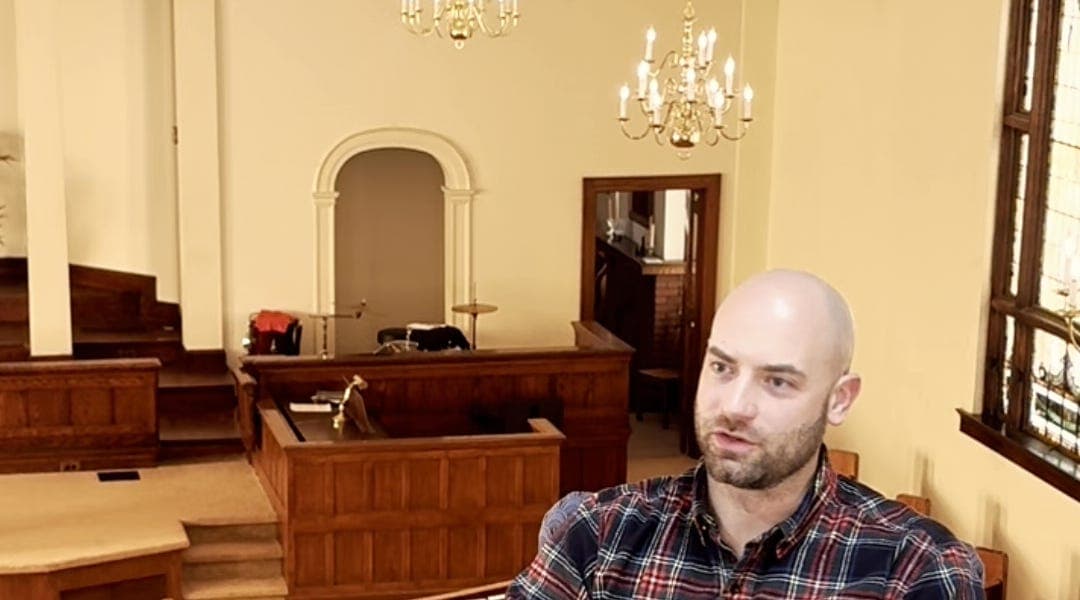
Redemption Isn’t Always Rescue—Sometimes It’s Faithfulness

Redemption Stories

Redemption Isn’t Always Rescue—Sometimes It’s Faithfulness

If you’re wondering, why are these stories being re-uploaded this week . . . well, I was integrating my server from an old one to a new one when POOF, several redemption stories vanished. That said, these stories DESERVE to be told. So I am sharing them again! Most redemption stories begin with collapse. This one begins with calling. When I sat down with Matt Mihelic , there was no dramatic confession. No public fall from grace. No moment that required headlines. And yet—his story is a reminder of something we don’t talk about enough: Redemption isn’t only about being saved from destruction.Sometimes it’s about being redirected from comfort . Matt grew up in the church. Faith wasn’t foreign to him. He knew Scripture. He knew structure. He knew what a “successful” path looked like. Law school made sense . A JD made sense. Stability made sense. But over time, something else grew louder. A desire to preach.A burden for the local church.A restlessness that credentials couldn’t quiet. Instead of silencing that call, Matt listened. After law school, he did what almost no one expects—he became a missionary. Uganda. Church planting. Long stretches away from home. Physical illness. Recovery. Prayer. And then, unexpectedly, Knoxville re-entered the picture. The city he once assumed he’d leave behind became a burden he couldn’t shake. What followed wasn’t a grand launch—it was obedience. When Matt arrived at Island Home Baptist Church , it was hurting. No pastor for over two years. Key leaders lost during the search process. Attendance dwindled. Records incomplete. Hope thin. Fourteen people showed up that first Sunday. Not fourteen staff members. Fourteen people. Redemption doesn’t rush moments like that. It sits in them. Matt didn’t come in with a rebrand. He didn’t chase trends. He made a simple commitment: preach the Word, care for people, and trust God to do the work. And slowly—He did. Healing came before growth. Trust before momentum. Structure before scale. The church rebuilt membership intentionally. Leadership was clarified. Teaching deepened. Unity strengthened. Today, Island Home looks nothing like it did in those early days—but the credit doesn’t belong to strategy. It belongs to God. That same posture now defines Matt’s broader role in the city. As Chair of the Knox County Church Network , he works alongside pastors from different denominations—churches that don’t agree on everything, but agree on the Gospel. The network doesn’t exist to manufacture unity, Matt says—it exists to express the unity that already exists in Christ. Together, they pray.They share burdens.They respond to real needs—like addiction, recovery, and community care—through partnerships like the Renew Clinic. It’s not flashy work. It’s faithful work. And that’s what makes this a redemption story. Because redemption isn’t always dramatic.It isn’t always public.And it isn’t always fast. Sometimes it’s a man choosing obedience over prestige.A pastor choosing patience over numbers.A network choosing prayer over control. Sometimes redemption looks like this: Staying.Serving.Trusting that the Word will do the work. That kind of story won’t always trend. But it lasts. I am a retired detective and criminal justice / government educator based in Tennessee. I am a commentary write for Tennessee Lookout and a weekly columnist with Knox TN Today . My work examines public policy, public safety systems and civic responsibility. My reporting and commentary have also appeared in Governing , The Arizona Capitol Times , South Florida Sun Sentinel , Police1 , among other state and regional outlets. Get full access to The Redemption Project Newsroom at newsroom.theredemptionproject.news/subscribe
S1 E17
1306
Open episodeWatch
Also available on
From Abortion Pain to Healing, Hope and Purpose: The Redemption Story of Breanna Houston

Redemption Stories

From Abortion Pain to Healing, Hope and Purpose: The Redemption Story of Breanna Houston

Breanna Houston remembers being 18 years old, living in a college dorm and realizing she was pregnant. She was scared. She was the first in her family to attend college. She had plans. She wanted a future in television. She wanted to be a producer. And in that moment, the story she had absorbed from the world around her seemed simple: A pregnancy would ruin everything. So she did what many young women do when fear becomes louder than everything else. She kept it quiet. She did not tell her parents. She went to Planned Parenthood. Her story is Season 1, Episode 16 of The Redemption Project . It is a story about abortion, grief, faith, forgiveness and what happens when the part of your life you most want to hide becomes the place where God begins His deepest work. Breanna did not grow up in a deeply discipled Christian home. She was introduced to faith as a child, but by the time she reached college, God was not the center of her life. She was focused on friends, boys and the future she wanted to build. Then she got pregnant. At 18, away from home and with her future seemingly on the line, she panicked. She knew her parents loved her. She believed they would have helped her. But fear has a way of narrowing a person’s vision. She carried the weight of being the first in her family to attend college and did not want to disappoint anyone. So she looked for what the culture had told her was the solution. “I have this problem,” she remembered thinking. “This is what you do.” Before the abortion, Breanna believes God tried to reach her. She describes preparing for the appointment and suddenly having what she now sees as a spiritual encounter. At the time, she thought it might have been a panic attack. Looking back, she believes the Lord was showing her the truth. But fear kept moving her forward. At the clinic, she remembers the ultrasound. She was told she was around eight weeks pregnant. She looked at the screen and saw what appeared to be a small dot. Her reaction was relief. She thought they had caught it in time. One of the painful realities of Breanna’s story is that she did not fully understand what was happening. Not because she lacked intelligence or compassion, but because she was young, frightened and processing everything through the lens she had been given. When she returned for the abortion, the atmosphere felt different. She remembers the pace, the sounds, the pain and eventually being sent home. Then she slept. But something had changed. She could not yet put words to it, but she felt loss. And that loss followed her for year s. Later, Breanna heard the Gospel in a small church and broke down. She remembers retreating to a bathroom and crying uncontrollably as the truth of God’s grace finally reached places she had spent years trying to hide. She accepted Christ’s forgiveness. But accepting forgiveness from God and receiving it fully in your own heart are not always the same thing. For years, Breanna carried unforgiveness toward herself. It was a quiet prison. No bars. No public sentence. Just the same private accusation repeated again and again. Life moved forward. She married. She had children. The abortion became part of her past. Or so she thought. Then one day, after the birth of her son Oliver, she was sitting in her kitchen. An ultrasound picture from early in her pregnancy was attached to the refrigerator. She looked at the image. Then she looked at her six-month-old son. Then she looked back at the ultrasound. In that moment, years of buried grief surfaced all at once. The pain finally had a name. The loss became real in a way it never had before. Grief does not always wait for understanding before it arrives. For a season, the weight of that realization pulled her into a darker place. But God was not finished with her story. Not long afterward, her church offered a Bible study for women who had experienced abortion called Forgiven and Set Free. Breanna attended. The study did not erase the past. It did not make the abortion disappear. What it did was force her to confront a truth she had spent years resisting. If Christ had forgiven her, who was she to continue condemning herself? She came to understand that holding on to unforgiveness was not humility. It was refusing to receive a gift Christ had already given. That realization changed everything. Not overnight. But steadily. The grief remained real. The forgiveness became real, too. For the first time, Breanna began to understand that redemption is not pretending sin never happened. Redemption is what happens when God’s grace reaches the very place where shame once lived. Over time, God began transforming the most painful chapter of her story into a ministry for others. Today, Breanna works with Alliance Family Services and is helping develop a pregnancy-resource clinic effort in Lenoir City. Her desire is simple: to meet women in moments of fear and help them understand they are not alone. To provide support before panic makes the decision. To offer hope before someone believes there are no options. To share truth, compassion, practical help and the Gospel with women facing some of the hardest moments of their lives. Before the ministry, there was mercy. Before the mission, there was grace. Before she could help others, God had to heal her. That is what makes this a redemption story. Not that the past disappeared. Not that the wound was erased. But that the wound did not get the final word. Today, Breanna wants women facing unexpected pregnancies to know they are not alone. She wants women carrying abortion grief to know they are not beyond forgiveness. And she wants people who believe their worst decision defines them to know something she learned the hard way: God’s grace reaches farther than our shame. The chapter Breanna most wanted hidden became the chapter God used most. That is redemption. And that is why her story matters. I am a retired detective and criminal justice / government educator based in Tennessee. I am a commentary write for Tennessee Lookout and a weekly columnist with Knox TN Today . My work examines public policy, public safety systems and civic responsibility. My reporting and commentary have also appeared in Governing , The Arizona Capitol Times , South Florida Sun Sentinel , Police1 , among other state and regional outlets. Get full access to The Redemption Project Newsroom at newsroom.theredemptionproject.news/subscribe
S1 E16
1848
Open episodeWatch
Also available on

June 2026

Reentry & Redemption in Our Community

Stories of Good Work

Reentry & Redemption in Our Community

Knoxville is quietly building a reentry ecosystem that many communities wish they had—connecting mentorship, recovery programs, stable housing, and community support in ways that improve public safety and reduce repeat arrests.In this read-aloud video, I share key points from my article originally published in Knox TN Today, explaining how sustained accountability, long-term mentorship, and community-rooted recovery efforts are strengthening lives after incarceration in Knoxville.Topics covered in this conversation include:• Men of Valor’s year-long aftercare housing and accountability model • The Knox County Church Network and its role in community support • ReNew Clinic’s long-term recovery focus • RISE mentoring for individuals and families facing instability • All4Knox and early intervention strategiesThese local initiatives show that redemption is not just a moral idea; it is a public-safety strategy proven to work when supported.This story is shared as part of The Redemption Project.Original article: https://www.knoxtntoday.com/knoxville-is-quietly-rebuilding-lives-and-its-time-we-paid-attention/ Get full access to The Redemption Project Newsroom at newsroom.theredemptionproject.news/subscribe
S5 E1
52
Open episodeWatch
Also available on

April 2026

Food Bank vs. Food Pantry: What Most People Get Wrong

Systems Explained

Food Bank vs. Food Pantry: What Most People Get Wrong

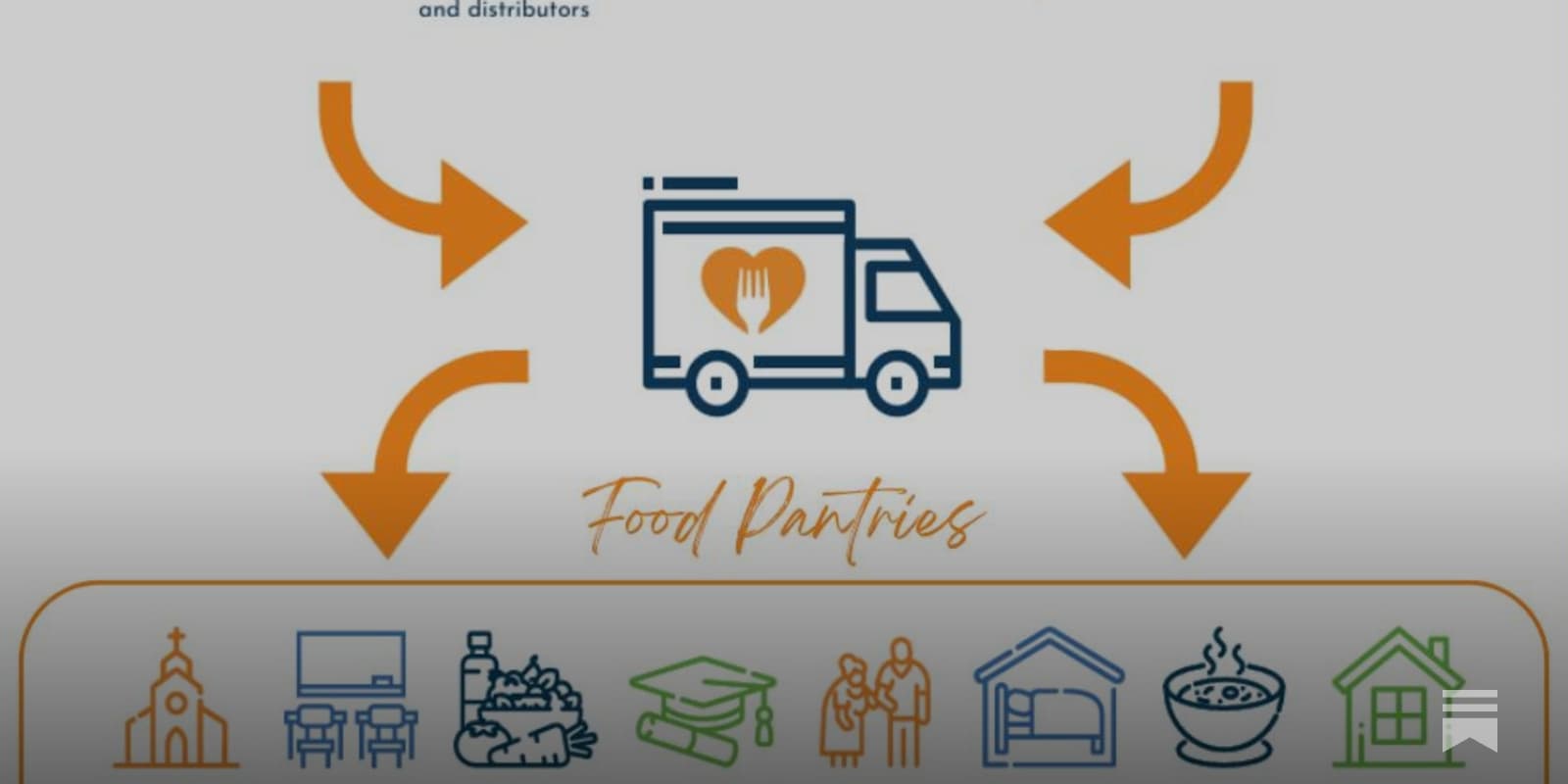
Most people use the terms food bank and food pantry like they mean the same thing. They do not. In this first episode of Systems Explained , Brandon Burley explains how the food distribution system actually works: why a food bank is usually a large supply center, why a food pantry is the local place where families actually receive food, and why understanding that difference matters if you want your donations to help more people. The episode also explains why cash donations often go farther than grocery-bin donations, how food banks use bulk purchasing power, why logistics matter, and how churches, schools, shelters, senior centers, and local nonprofits fit into the larger system. If you have ever wondered where donated food actually goes after it leaves the grocery store collection box, this episode explains the full process clearly and simply. New episodes focus on systems people talk about every day but often misunderstand. 🎙️ The Redemption Project: Systems Explained Questions for a future episode? Send them my way. Get full access to The Redemption Project Newsroom at newsroom.theredemptionproject.news/subscribe
S3 E8
469
Open episodeWatch
Also available on
Addiction pressure is not limited to large cities.

Civic Conversations

Addiction pressure is not limited to large cities.

by Brandon Burley and The Redemption Project Addiction pressure is not limited to large cities. But access to treatment often is. In many smaller communities, the same need exists with fewer immediate options — which means geography quietly shapes recovery outcomes more than many people realize. I am a retired detective and criminal justice / government educator based in Tennessee. I am a commentary write for Tennessee Lookout and a weekly columnist with Knox TN Today . My work examines public policy, public safety systems and civic responsibility. My reporting and commentary have also appeared in Governing , The Arizona Capitol Times , South Florida Sun Sentinel , Police1 , among other state and regional outlets. Get full access to The Redemption Project Newsroom at newsroom.theredemptionproject.news/subscribe
S4 E3
43
Open episodeWatch
Also available on

March 2026

From Privilege to Prison Charges: TK on Addiction, Recovery, and What Actually Saves Lives

Redemption Stories

From Privilege to Prison Charges: TK on Addiction, Recovery, and What Actually Saves Lives

In this episode of The Redemption Project , Brandon Burley sits down with TK , a licensed therapist and recovery professional whose life was nearly ended by addiction before it was rebuilt through faith, accountability, and community. TK’s story challenges stereotypes. He didn’t grow up in poverty or chaos—he grew up privileged. And yet addiction still took hold, escalating from early alcohol use to prescription opioids, pain clinics, dealing, methamphetamine, and ultimately a near-fatal overdose that left him on life support. After being revived with Narcan nine times, TK faced prison, the loss of his career, and the collapse of his family. What followed wasn’t a shortcut to redemption—it was treatment, humility, consequences, and years of rebuilding from the ground up. Today, TK is a licensed Marriage and Family Therapist and Licensed Alcohol & Drug Abuse Counselor (LADAC II) in Tennessee—despite felony convictions that nearly disqualified him from licensure. His journey offers rare insight into addiction, recovery, criminal justice, and what actually sustains long-term change. This conversation explores: • Why addiction doesn’t discriminate by class or background • The moment TK realized he couldn’t save himself • Near-death, faith, and the cost of recovery • Employment barriers for people with felony records • Why community—not independence—keeps people alive This is not a slogan-driven recovery story. It’s a real one. Get full access to The Redemption Project Newsroom at newsroom.theredemptionproject.news/subscribe

S2 E5
2127
Open episodeWatch
Also available on

February 2026

Addiction Is Distributed Evenly. Help Is Not. | Commentary on Recovery Gaps in East Tennessee

Systems Explained

Addiction Is Distributed Evenly. Help Is Not. | Commentary on Recovery Gaps in East Tennessee

In this narrated commentary, Brandon Burley reflects on his recent opinion piece examining why addiction impacts every community—but recovery resources often do not. Drawing from reporting in East Tennessee, the episode explores how smaller cities like Oak Ridge experience the same pressures as larger urban centers—substance misuse, fractured families, and relapse—without the same concentration of treatment, visibility, or long-term recovery infrastructure. The discussion highlights First Recovery in Oak Ridge as an example of sustained, community-based support that goes beyond short-term intervention, connecting people and families to accountability, structure, and practical help. The episode also addresses broader regional data on addiction, homelessness, and overdose deaths, and why recovery efforts cannot remain centralized if communities want meaningful public safety outcomes. Get full access to The Redemption Project Newsroom at newsroom.theredemptionproject.news/subscribe
S3 E6
355
Open episodeWatch
Also available on
“I Was Looking at 28 Years”: Matt Holder on Addiction, Prison, and the Long Road Back

Redemption Stories

“I Was Looking at 28 Years”: Matt Holder on Addiction, Prison, and the Long Road Back

Matt Holder’s story isn’t about a single bad decision — it’s about how addiction slowly dismantles a life, one rationalization at a time. Growing up in East Tennessee, Matt came from a stable family, earned a degree in criminal justice, and built a career. But prescription opioids changed everything. What started as pain management turned into years of addiction, felony charges, repeated incarceration, probation violations, and the constant weight of consequences he couldn’t outrun. At his lowest point, Matt was facing a potential 28-year sentence and believed there was no way out. What followed was not a miracle moment — it was structure, accountability, brutal honesty, and people willing to walk with him without excusing his behavior. In this conversation, Matt walks through: How addiction escalates quietly and relentlessly Why “white-knuckling” recovery fails The role jail, probation, and treatment really played in his transformation What accountability looks like when grace doesn’t erase consequences How redemption is built over years, not moments Today, Matt works in recovery and ministry, advocates for people reentering society, and lives a life that looks nothing like the one that nearly ended him. This is a long-form conversation for anyone who wants to understand what real change actually takes , both inside the justice system and beyond it. Get full access to The Redemption Project Newsroom at newsroom.theredemptionproject.news/subscribe

S2 E4
4376
Open episodeWatch
Also available on

January 2026

“Mission of Hope at Christmas and Every Other Day” | Article Read + Commentary

Stories of Good Work

“Mission of Hope at Christmas and Every Other Day” | Article Read + Commentary

In this episode of The Redemption Project podcast, I read and comment on my article originally published in Knox TN Today: “Mission of Hope, at Christmas and Every Other Day of the Year.” This piece reflects on how ministries and community partners work year-round—not just during the holidays—to care for people in need, extend compassion, and provide meaningful help that leads to stability and purpose. In this read-aloud and commentary, we explore: • What hope looks like in action, not just in intention • How community ministries sustain support beyond seasonal generosity • Why long-term relationships matter in recovery and reentry • The broader impact of consistent care in building resilient lives For the original written article, visit: https://www.knoxtntoday.com/mission-of-hope-at-christmas-and-every-other-day-of-the-year/ The Redemption Project tells real stories of change, accountability, and second chances, hosted by Brandon Burley. Get full access to The Redemption Project Newsroom at newsroom.theredemptionproject.news/subscribe
S5 E3
119
Open episodeWatch
Also available on
What Redemption Looks Like in Knoxville | Read & Commentary

Stories of Good Work

What Redemption Looks Like in Knoxville | Read & Commentary

In this episode of The Redemption Project , I read and comment on my article “What Redemption Looks Like in Knoxville: A Day Inside Men of Valor,” originally published in Knox TN Today . The piece offers a firsthand look inside Men of Valor Knoxville—a long-term reentry program built on accountability, structure, and community. It explores what life actually looks like for men transitioning out of incarceration, beyond slogans and statistics. This episode reflects on what redemption requires in practice: time, responsibility, mentorship, and systems willing to invest in people after prison. Redemption doesn’t erase the past—it shapes what comes next. Read the original article here: https://www.knoxtntoday.com/what-redemption-looks-like-in-knoxville-a-day-inside-men-of-valor/ Get full access to The Redemption Project Newsroom at newsroom.theredemptionproject.news/subscribe
S5 E2
119
Open episodeWatch
Also available on

December 2025

S1:E1 Redemption, Recovery, and Reentry | Full 60-Minute Radio Interview

Redemption Stories

S1:E1 Redemption, Recovery, and Reentry | Full 60-Minute Radio Interview

This is the full, unedited 60-minute radio interview from The Weekly Law Round-up, where The Redemption Project is introduced; discussing redemption, recovery, reentry, and public safety.The conversation explores what life actually looks like after incarceration, the role of accountability and structure in long-term recovery, and why some reentry approaches succeed while others fail.Topics include:• Life after prison and reentry challenges• Addiction, recovery, and personal responsibility• Faith-based and community reentry programs• Reducing recidivism while improving public safety• What real rehabilitation looks like beyond policy slogansThe Redemption Project focuses on real stories of transformation, responsibility, and second chances.For written stories and additional resources, visit: www.BurleyBooks.com Get full access to The Redemption Project Newsroom at newsroom.theredemptionproject.news/subscribe
S1 E1
3613
Open episodeWatch
Also available on