Skip to content
TRP

Podcast topic

Flock, ALPRs, Surveillance & Policing Technology

Podcast episodes about Flock Safety, automated license plate readers, surveillance systems, policing technology, real-time crime centers, and related public-safety technology.

Use this collection for Flock Safety, ALPR, license-plate-reader, surveillance, policing-technology, RTIC, facial-recognition, or related public-safety technology questions.

12 episodes

August 2026

ALPR and Flock Technology Explained: When License Plate Readers Become a Privacy Debate

Systems Explained

ALPR and Flock Technology Explained: When License Plate Readers Become a Privacy Debate

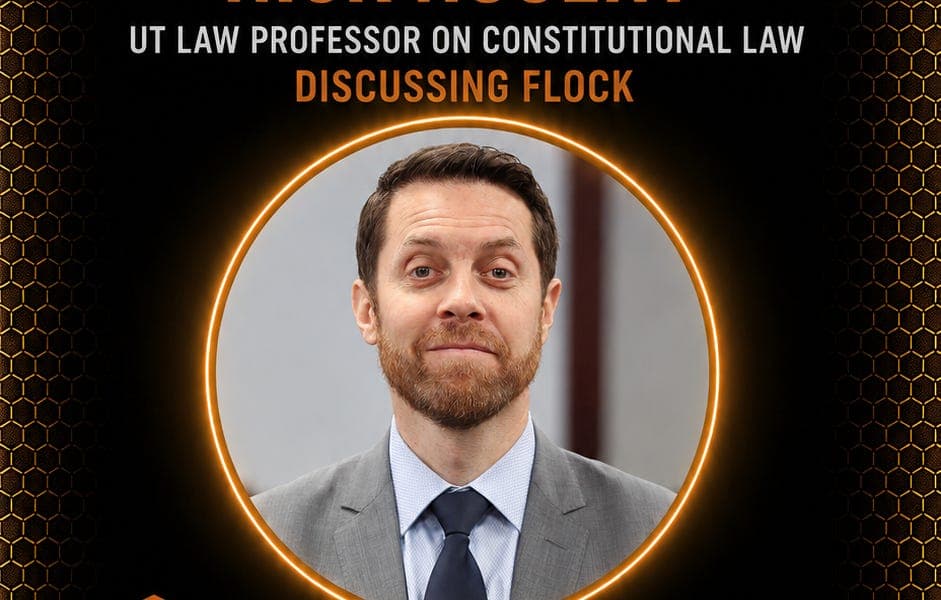
What are Flock cameras, and why are so many people suddenly concerned about them? In this Season 3 Systems Explained episode, Brandon Burley talks with Nick Nugent, a University of Tennessee law professor who teaches technology law and constitutional law, about automated license plate readers, public safety, privacy and the difference between what may be legal and what kind of surveillance society we actually want. The conversation separates two questions: Is this constitutional? And even if it is lawful, is this the policy Tennessee communities want? Brandon brings his law enforcement background into the discussion, explaining why he once helped set up a limited Flock system but now has serious concerns about mass vehicle-location tracking, private third-party data collection, weak audit controls and the ability to map a person’s movements over time. This is not an anti-police episode. It is not a pro-surveillance episode. It is a civic explainer about technology, public safety, privacy and the rules that should govern powerful tools before the tools become normal. I am a retired detective and criminal justice / government educator based in Tennessee. I am a commentary write for Tennessee Lookout and a weekly columnist with Knox TN Today . My work examines public policy, public safety systems and civic responsibility. My reporting and commentary have also appeared in Governing , The Arizona Capitol Times , South Florida Sun Sentinel , Police1 , among other state and regional outlets. Get full access to The Redemption Project Newsroom at newsroom.theredemptionproject.news/subscribe

S12 E3
153
Open episodeWatch
Also available on
More Than a Halfway House: How FOCUS Helps Women Rebuild After Incarceration

Stories of Good Work

More Than a Halfway House: How FOCUS Helps Women Rebuild After Incarceration

Savannah Ford turned 30 years old in jail. The milestone landed harder than she expected. Looking back at her life, she felt as though the only things she had to show for those years were addiction and felony drug charges. She did not yet know what rebuilding would look like. After her release, Savannah entered the residential reentry program operated by FOCUS Women’s Ministry. She had not participated in the organization’s jail classes because FOCUS was not serving the facility where she had been incarcerated. But the ministry still gave her a place in its transitional home—and an opportunity to begin building a life beyond the one she had known Today, Savannah works for FOCUS. In this Season 5 episode of The Redemption Project , Brandon Burley speaks with Savannah about the ministry’s work with incarcerated and newly released women throughout East Tennessee. FOCUS operates what it calls its Behind the Walls and Beyond the Walls programs. Volunteers lead Bible studies, cognitive-behavioral classes and personal-development programs inside county jails and state prisons. The organization currently serves women in Knox, Anderson, Bledsoe, Sullivan, Scott and Blount counties. The work continues after release. FOCUS operates a 12-bed women’s home in Knoxville, where residents participate in a structured nine- to 12-month reentry program. Case managers help women obtain identification documents, apply for benefits, prepare for employment, secure clothing and hygiene supplies and begin learning how to navigate responsibilities that can feel overwhelming after incarceration. But Savannah says the work cannot stop at employment, rent and drug testing. Many of the women entering the program have experienced significant childhood trauma, addiction, abusive relationships and years of believing that pain is all they deserve. Savannah describes trauma as the gateway that often precedes substance use and incarceration. That is why FOCUS attempts to serve the whole person. The ministry provides practical assistance, accountability, relationships and faith-based support. Its goal is not merely to help women avoid another arrest. It is to help them understand their worth, develop healthier patterns and build lives in which they can contribute to their families and communities. FOCUS may technically meet the definition of a halfway house. Its work is intended to go much further. I am a retired detective and criminal justice / government educator based in Tennessee. I am a commentary write for Tennessee Lookout and a weekly columnist with Knox TN Today . My work examines public policy, public safety systems and civic responsibility. My reporting and commentary have also appeared in Governing , The Arizona Capitol Times , South Florida Sun Sentinel , Police1 , among other state and regional outlets. Get full access to The Redemption Project Newsroom at newsroom.theredemptionproject.news/subscribe

S2 E5
1162
Open episodeWatch
Also available on

July 2026

A Poll Is Not a Prediction: Mark Cunningham on Reading the Numbers Without Being Misled

Civic Conversations

A Poll Is Not a Prediction: Mark Cunningham on Reading the Numbers Without Being Misled

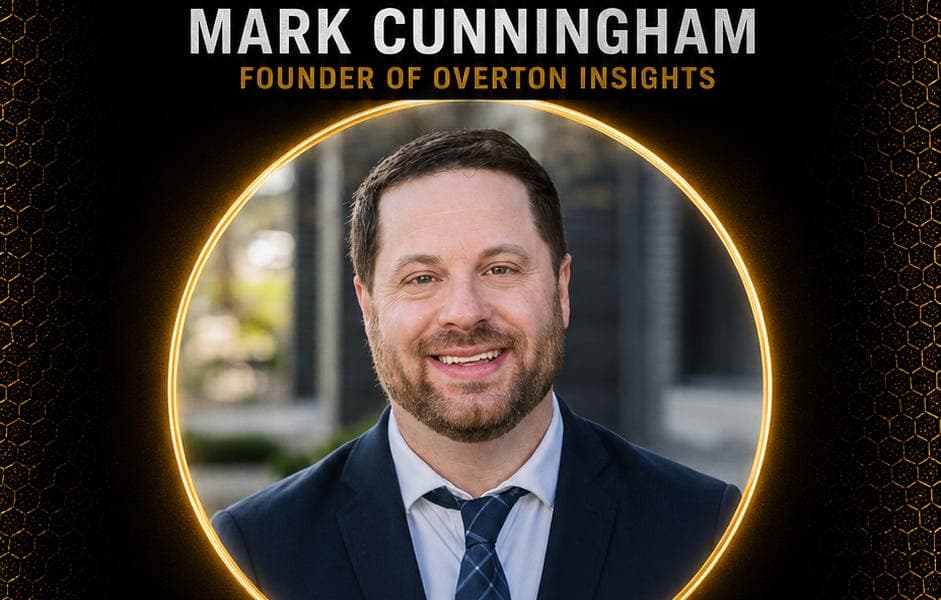
The numbers are interesting. They are also easy to overread. A poll can tell us something useful about public opinion at a particular moment. It cannot guarantee what voters will do weeks or months later, predict every change in a campaign or turn a small lead into a certain election result. In this Season 4 Civic Conversation, Brandon Burley speaks with pollster Mark Cunningham about what polls actually measure, how scientific surveys are constructed and why the public should be cautious when campaigns, media outlets and social media accounts turn numbers into narratives. Cunningham is the director of polling at Overton Insights and the original founder of the Beacon Poll. He explains sample sizes, margins of error, toplines, crosstabs, likely-voter models and the difference between public polling, internal campaign polling, online surveys and straw polls. The conversation also examines push polling, question wording, demographic weighting and the ways even a professionally conducted poll can be selectively quoted or misunderstood. A topline may show the overall result, while the underlying groups reveal a much more complicated story. A candidate may lead today and lose later—not necessarily because the poll was fraudulent, but because voters, events and conditions changed. Brandon and Mark also discuss prediction markets, exit polling and why people become defensive when polling does not support the candidate or outcome they want. The most important lesson is not that every poll is right or that every poll should be trusted. It is that polls should be read carefully. Who paid for the research? How were the questions worded? Who was surveyed? Does the sample resemble the population being discussed? What is the margin of error? Does the polling organization have a reliable record? Before celebrating a poll—or dismissing it—slow down and look at what the numbers actually say. A poll is a snapshot in time. It is not the election result. I am a retired detective and criminal justice / government educator based in Tennessee. I am a commentary write for Tennessee Lookout and a weekly columnist with Knox TN Today . My work examines public policy, public safety systems and civic responsibility. My reporting and commentary have also appeared in Governing , The Arizona Capitol Times , South Florida Sun Sentinel , Police1 , among other state and regional outlets. Get full access to The Redemption Project Newsroom at newsroom.theredemptionproject.news/subscribe

S15 E4
3385
Open episodeWatch
Also available on
Breaking Destructive Cycles: How Blue Monarch Rebuilds Mothers, Children and Families

Stories of Good Work

Breaking Destructive Cycles: How Blue Monarch Rebuilds Mothers, Children and Families

When a mother enters recovery, her children do not simply wait outside the process. They may have witnessed addiction, instability, incarceration, violence or the removal of a parent from the home. They may also be carrying trauma of their own—sometimes without the words to explain what happened. Blue Monarch was created around the belief that lasting recovery requires helping the entire family heal. In the Season 5 premiere of The Redemption Project , Brandon Burley speaks with Shakia, Blue Monarch’s officer of development and community relations—and a graduate of the program herself. After struggling with opioid addiction for 14 years and cycling through programs that did not provide enough time or support, Shakia reached a breaking point following a near-fatal automobile crash. Her arrival at Blue Monarch began a long recovery process that she says changed not only her life, but the lives of her children. Blue Monarch is a long-term, faith-based residential program serving mothers and children affected by addiction, abuse and economic hardship. Women may enter with their children or begin the program while working toward restoring custody. The organization places equal emphasis on the mother’s recovery and the child’s healing. The residential phase lasts approximately 18 to 24 months. During that time, women participate in individualized counseling, group therapy, parenting education, cognitive-behavioral programming, spiritual development and intensive life-skills work. Recovery is treated as their full-time job. Graduates may then enter WINGS—Women in Newly Grounded Success—a transitional community where families can live in onsite cottages while the mother begins working, pursuing education and building greater independence. A family completing the full continuum may receive nearly three years of structured support. Brandon and Shakia also discuss Blue Monarch’s relationships with courts, probation officers, the Tennessee Department of Correction and the Department of Children’s Services. Some women arrive after incarceration, while others are referred by judges, caseworkers or community partners. The organization is now expanding its campus, constructing a multipurpose building and planning additional housing and childcare resources so it can serve more families. This is not a story about temporarily removing a woman from addiction. It is about rebuilding the life beneath it—and giving her children the opportunity to grow up without repeating the same cycle. I am a retired detective and criminal justice / government educator based in Tennessee. I am a commentary write for Tennessee Lookout and a weekly columnist with Knox TN Today . My work examines public policy, public safety systems and civic responsibility. My reporting and commentary have also appeared in Governing , The Arizona Capitol Times , South Florida Sun Sentinel , Police1 , among other state and regional outlets. Get full access to The Redemption Project Newsroom at newsroom.theredemptionproject.news/subscribe

S1 E5
1700
Open episodeWatch
Also available on
The Smaller the Race, the Greater Your Voice: Katie Growden on Voting, Local Power and Civic Confidence

Civic Conversations

The Smaller the Race, the Greater Your Voice: Katie Growden on Voting, Local Power and Civic Confidence

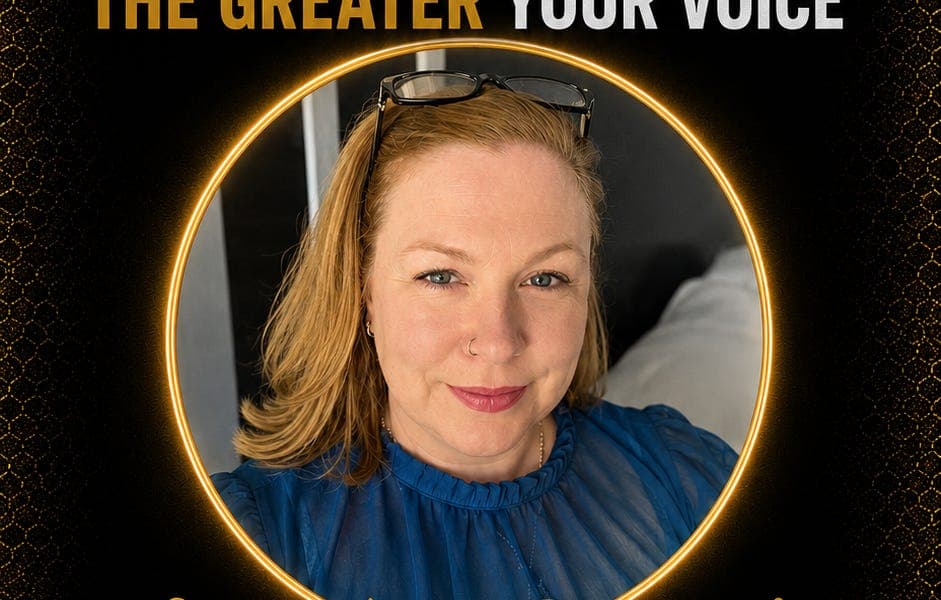
Voting can feel complicated long before anyone reaches the polling place. People register, but then struggle to find reliable information about the candidates. They may not understand what will appear on their ballot, where to research a local race or whether it is acceptable to admit that they have questions. For some voters, that uncertainty becomes embarrassment. Eventually, embarrassment becomes disengagement. In this Season 4 Civic Conversation, Brandon Burley speaks with Katie Growden, Tennessee state manager for Save the Children Action Network, about helping people move from uncertainty to informed civic participation. Katie explains how her organization connects registered voters with practical resources, encourages people to examine the races that affect their daily lives and helps communities understand the influence they already possess. The conversation explores local elections, primary participation, sample ballots, candidate events, social media research and the importance of asking candidates open-ended questions about how they intend to govern. Brandon and Katie also discuss something increasingly absent from political conversations: curiosity. Instead of treating disagreement as hostility, voters can ask clarifying questions, examine why a statement produced an emotional reaction and seek spaces where policy can be discussed without personal attacks or partisan performance. This conversation is not about telling anyone how to vote. It is about helping people understand what they are voting on, where to find trustworthy information and why school boards, sheriffs, county mayors, city commissions and other local offices may influence their lives more directly than the national races receiving most of the attention. Because the smaller the race, the greater your voice. Get full access to The Redemption Project Newsroom at newsroom.theredemptionproject.news/subscribe

S14 E4
2689
Open episodeWatch
Also available on

June 2026

Reentry & Redemption in Our Community

Stories of Good Work

Reentry & Redemption in Our Community

Knoxville is quietly building a reentry ecosystem that many communities wish they had—connecting mentorship, recovery programs, stable housing, and community support in ways that improve public safety and reduce repeat arrests.In this read-aloud video, I share key points from my article originally published in Knox TN Today, explaining how sustained accountability, long-term mentorship, and community-rooted recovery efforts are strengthening lives after incarceration in Knoxville.Topics covered in this conversation include:• Men of Valor’s year-long aftercare housing and accountability model • The Knox County Church Network and its role in community support • ReNew Clinic’s long-term recovery focus • RISE mentoring for individuals and families facing instability • All4Knox and early intervention strategiesThese local initiatives show that redemption is not just a moral idea; it is a public-safety strategy proven to work when supported.This story is shared as part of The Redemption Project.Original article: https://www.knoxtntoday.com/knoxville-is-quietly-rebuilding-lives-and-its-time-we-paid-attention/ Get full access to The Redemption Project Newsroom at newsroom.theredemptionproject.news/subscribe

S5 E1
52
Open episodeWatch
Also available on

May 2026

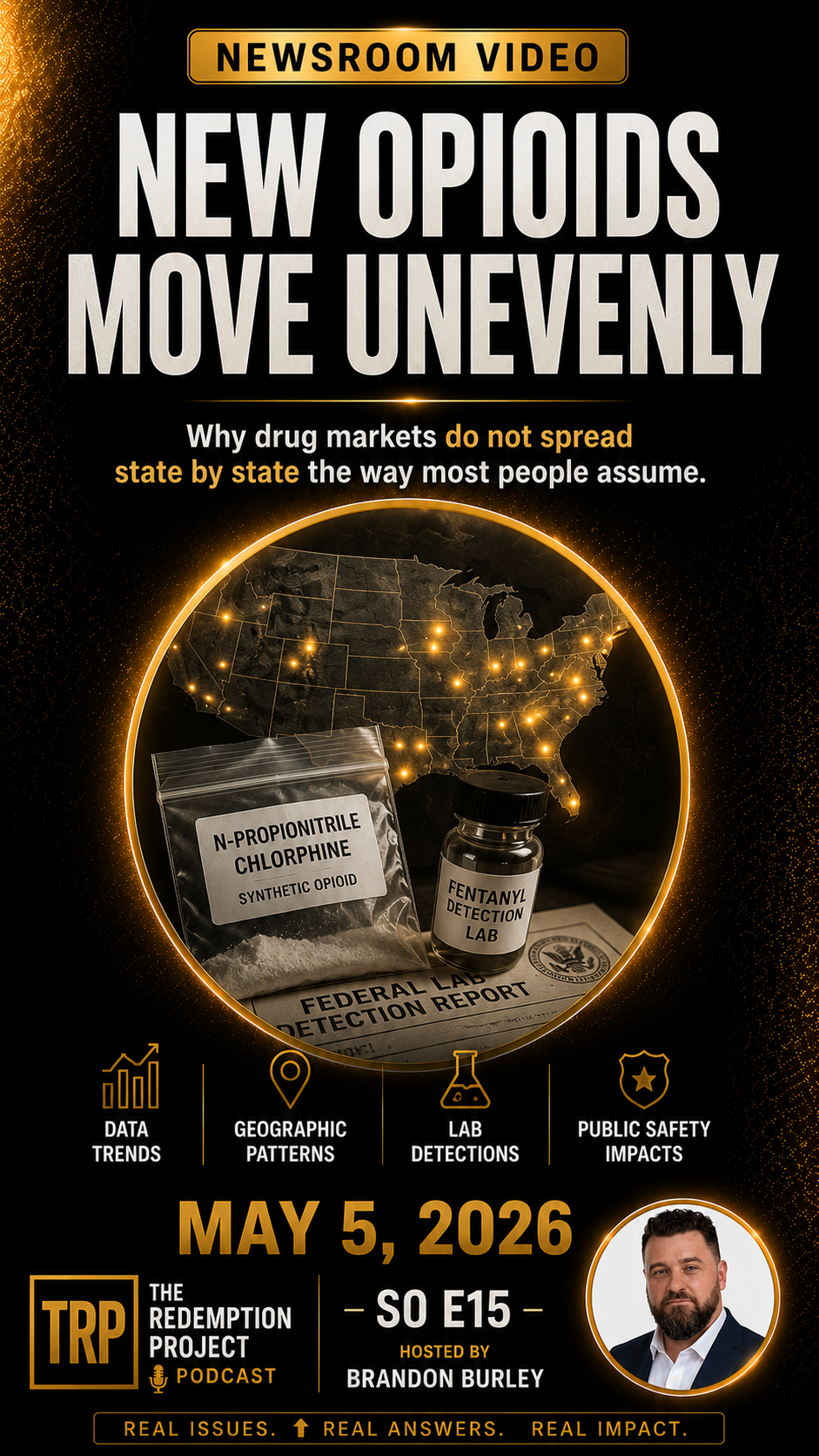
New Opioids Move Unevenly

The Redemption Project Podcast

New Opioids Move Unevenly

by Brandon Burley and The Redemption Project Federal detections of a new synthetic opioid show why drug markets do not spread state by state the way most people assume. Federal laboratory detections of a new synthetic opioid known as N-propionitrile chlorphine are raising broader questions about how emerging drug compounds move through U.S. supply networks. The compound was first confirmed by a DEA laboratory in 2024, with later detections reported in states including Texas, California, Illinois, Missouri, and Tennessee. New Mexico reports no confirmed identifications to date. State officials say the compound has not been detected in seized materials there, but that existing laboratory workflows would be capable of identifying it if it appeared. Forensic experts note that synthetic opioids do not spread state by state in a predictable pattern. They move through trafficking networks, wholesale relationships, and supply hubs, often appearing in one region while remaining absent in nearby states. That means the more important question is not whether a compound has reached a state yet. It is whether surveillance systems are prepared to recognize it when it does. Drug markets often follow relationships, logistics, and supply chains rather than geography. A compound may surface repeatedly in one region while remaining absent nearby for months or longer. That is why laboratory readiness often matters more than assumptions based on maps. I am a retired detective and criminal justice / government educator based in Tennessee. I am a commentary write for Tennessee Lookout and a weekly columnist with Knox TN Today . My work examines public policy, public safety systems and civic responsibility. My reporting and commentary have also appeared in Governing , The Arizona Capitol Times , South Florida Sun Sentinel , Police1 , among other state and regional outlets. Get full access to The Redemption Project Newsroom at newsroom.theredemptionproject.news/subscribe

S0 E15
64
Open episodeWatch
Also available on

April 2026

Why New Opioids Stay Hidden

The Redemption Project Podcast

Why New Opioids Stay Hidden

by Brandon Burley and The Redemption Project A newly emerging synthetic opioid identified in Tennessee, Canada, and parts of Europe is highlighting a larger forensic challenge: surveillance systems often only detect what laboratories are already built to recognize. A new synthetic opioid is now forcing a bigger question across multiple countries: how often do new drugs spread before public systems fully catch them? The compound is called cychlorphine. It has already appeared in overdose investigations, forensic laboratories, and seized drug supplies in places including Tennessee, Canada, and parts of Europe. In Tennessee, forensic officials have linked it to multiple deaths under investigation, and the drug has been described as roughly ten times more potent than fentanyl. But the larger issue is not just the drug itself. Many overdose dashboards only show what laboratories are already built to detect. If a new compound is not part of routine testing, it can circulate long before official numbers fully reflect what is happening. That means chemistry can move faster than surveillance. Across multiple jurisdictions, cychlorphine has already shown how differently detection systems move depending on forensic design. In Canada, federal laboratory systems identified the compound and incorporated it into routine screening after validation through Health Canada’s Drug Analysis Service. In parts of Europe, early warning systems allowed laboratories to report detections before mortality data fully reflected the substance. In the United States, forensic identification often depends on state and regional laboratory workflows, which means detection can vary by jurisdiction even when seized drug material appears elsewhere. That creates a practical gap. A compound may already exist inside supply chains while public dashboards remain largely silent. Forensic laboratories often see chemical change first. Public systems usually catch up later. As synthetic opioid chemistry continues evolving, the central question is no longer only how dangerous a new compound may be, but how quickly institutions designed for detection can recognize what has changed. In that environment, surveillance is no longer only a reporting function. It is part of public health readiness. I am a retired detective and criminal justice / government educator based in Tennessee. I am a commentary write for Tennessee Lookout and a weekly columnist with Knox TN Today . My work examines public policy, public safety systems and civic responsibility. My reporting and commentary have also appeared in Governing , The Arizona Capitol Times , South Florida Sun Sentinel , Police1 , among other state and regional outlets. Get full access to The Redemption Project Newsroom at newsroom.theredemptionproject.news/subscribe

S0 E2
54
Open episodeWatch
Also available on

January 2026

Public Safety Isn’t Just Policing — It’s Second Chance Hiring

Systems Explained

Public Safety Isn’t Just Policing — It’s Second Chance Hiring

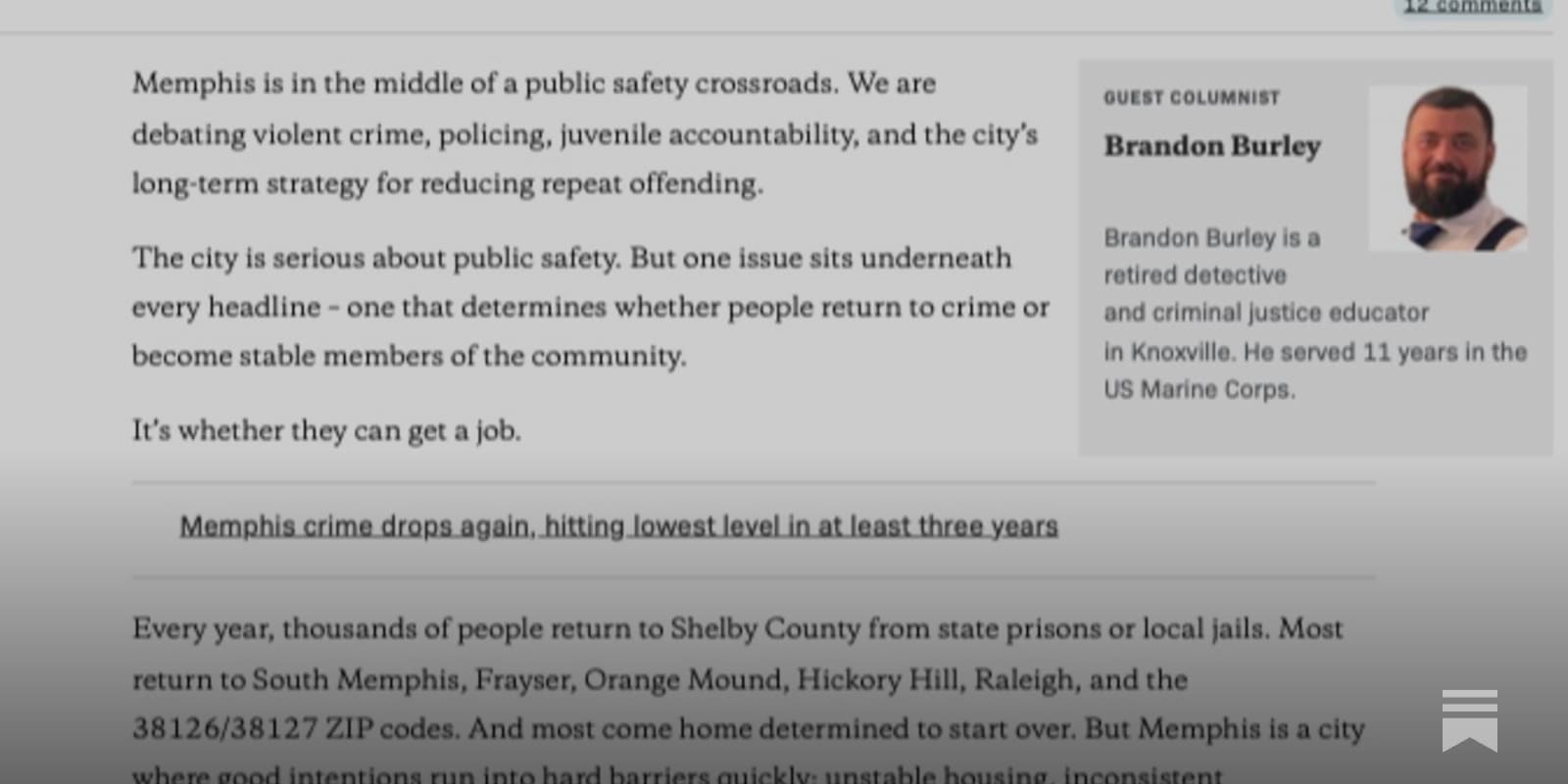
In this narrated episode, Brandon Burley reads and reflects on an opinion piece originally published in The Daily Memphian examining why second chance hiring is a public safety issue—not just an employment one. While the article focuses on Memphis, the argument applies far beyond one city. When people return from prison or jail without access to work, housing, transportation, or licensing pathways, the conditions for reoffending are quietly rebuilt. Public safety doesn’t improve by closing more doors. It improves by opening the right ones back. This episode explores how background checks, licensing barriers, housing scarcity, and transportation gaps intersect—and why responsibility for change doesn’t rest solely with government, but with employers, communities, and citizens willing to step in. Season 4 of The Redemption Project features narrated journalism and reported essays on criminal justice, reentry, and public safety. Get full access to The Redemption Project Newsroom at newsroom.theredemptionproject.news/subscribe

S3 E3
194
Open episodeWatch
Also available on
“What People Don’t See About Life After Jail in Knoxville” | Article Read + Commentary

Systems Explained

“What People Don’t See About Life After Jail in Knoxville” | Article Read + Commentary

In this episode of The Redemption Project podcast (Season 4, Episode 3), I read and comment on my article originally published in Knox TN Today: “What People Don’t See About Life After Jail in Knoxville.” This piece sheds light on the hidden challenges people face after leaving jail—beyond what most of the public sees or understands. From housing and employment barriers to healthcare gaps and societal stigma, the realities of reentry demand deeper attention and practical support. In this read-aloud and commentary, we explore: • The unseen obstacles of life after jail in Knoxville • Why traditional measures of “success” miss the real stories • The importance of community, structure, and accountability • How programs and ministries are filling the gaps For the original written article, visit: https://www.knoxtntoday.com/what-people-dont-see-about-life-after-jail-in-knoxville/ The Redemption Project tells real stories of change, accountability, and second chances, hosted by Brandon Burley. Get full access to The Redemption Project Newsroom at newsroom.theredemptionproject.news/subscribe

S3 E2
135
Open episodeWatch
Also available on
“Mission of Hope at Christmas and Every Other Day” | Article Read + Commentary

Stories of Good Work

“Mission of Hope at Christmas and Every Other Day” | Article Read + Commentary

In this episode of The Redemption Project podcast, I read and comment on my article originally published in Knox TN Today: “Mission of Hope, at Christmas and Every Other Day of the Year.” This piece reflects on how ministries and community partners work year-round—not just during the holidays—to care for people in need, extend compassion, and provide meaningful help that leads to stability and purpose. In this read-aloud and commentary, we explore: • What hope looks like in action, not just in intention • How community ministries sustain support beyond seasonal generosity • Why long-term relationships matter in recovery and reentry • The broader impact of consistent care in building resilient lives For the original written article, visit: https://www.knoxtntoday.com/mission-of-hope-at-christmas-and-every-other-day-of-the-year/ The Redemption Project tells real stories of change, accountability, and second chances, hosted by Brandon Burley. Get full access to The Redemption Project Newsroom at newsroom.theredemptionproject.news/subscribe

S5 E3
119
Open episodeWatch
Also available on
What Redemption Looks Like in Knoxville | Read & Commentary

Stories of Good Work

What Redemption Looks Like in Knoxville | Read & Commentary

In this episode of The Redemption Project , I read and comment on my article “What Redemption Looks Like in Knoxville: A Day Inside Men of Valor,” originally published in Knox TN Today . The piece offers a firsthand look inside Men of Valor Knoxville—a long-term reentry program built on accountability, structure, and community. It explores what life actually looks like for men transitioning out of incarceration, beyond slogans and statistics. This episode reflects on what redemption requires in practice: time, responsibility, mentorship, and systems willing to invest in people after prison. Redemption doesn’t erase the past—it shapes what comes next. Read the original article here: https://www.knoxtntoday.com/what-redemption-looks-like-in-knoxville-a-day-inside-men-of-valor/ Get full access to The Redemption Project Newsroom at newsroom.theredemptionproject.news/subscribe

S5 E2
119
Open episodeWatch
Also available on